Box Truck Transport: What You Are Shipping
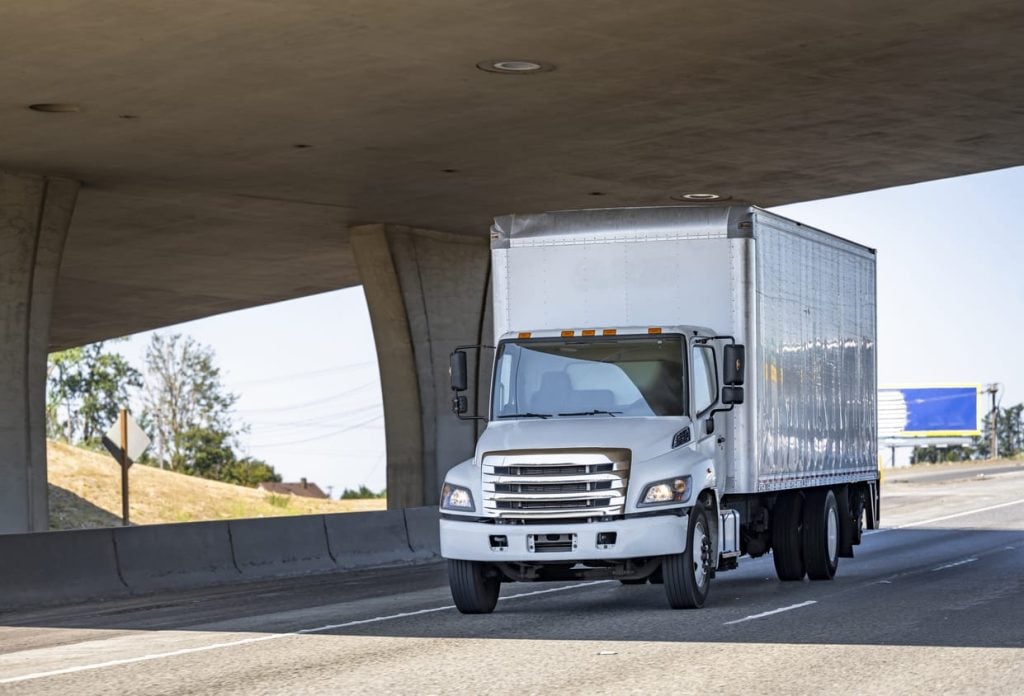
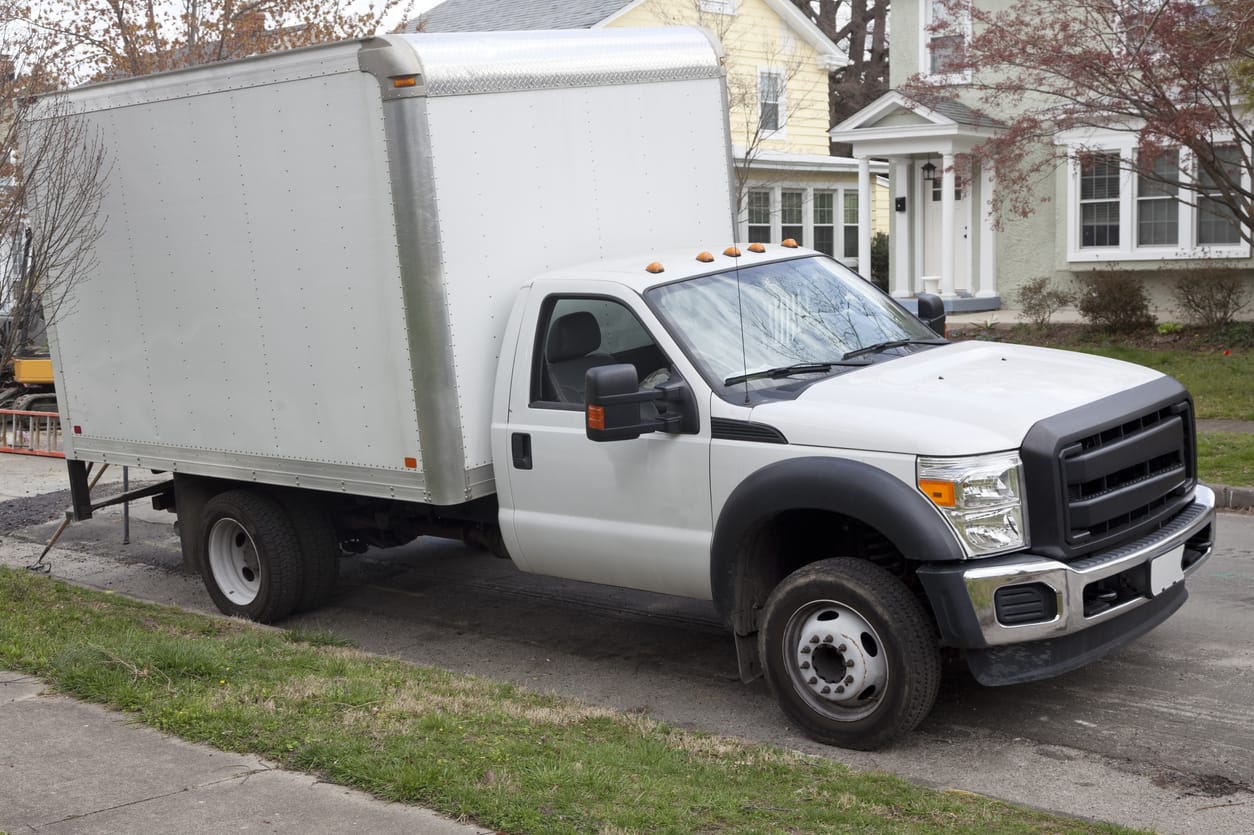
Box truck transport starts with what the truck is. A box truck, also known as a box van or cube van, is a workhorse for delivery fleets, movers, and trades. Depending on length and build, box trucks typically weigh about 12,000 to 33,000 pounds, and while the common 26-foot class stays at or under 26,000 pounds GVWR, they still ship as heavy equipment: too tall for standard auto carriers and heavy enough to need the right trailer, special handling, and experienced hands.
Methods for Shipping Box Trucks
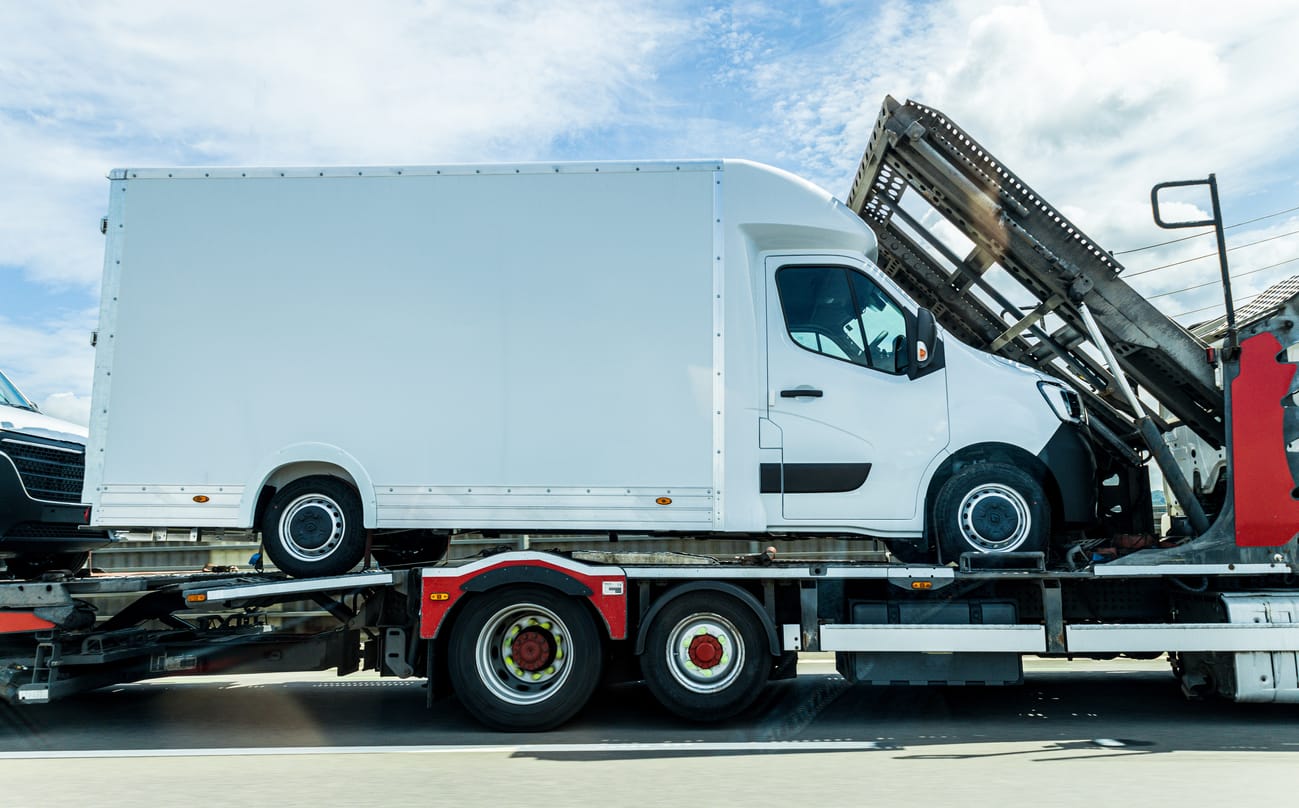
Box trucks move two ways: on a trailer (flatbed, step deck, or lowboy, depending on the truck’s height) or by professional driveaway service for road-legal units. Trailer transport spares the truck the miles and engine hours, which matters for resale value; a shipping company arranges either method, handles the permits where height requires them, and lets you focus on running your business.
Box Truck Shipping Process
There are certain steps that make the difference between an affordable, reliable shipment and an expensive lesson. Follow these to keep the process secure end to end.
Hire a Good Shipping Company
Ask colleagues who ship commercial vehicles, read reviews with attention to how problems were handled, and verify rather than trust: a legitimate broker or carrier is FMCSA-registered with USDOT and MC numbers you can check in a minute (Ship A Car, Inc. is USDOT 2303542, MC 784930).
The company should have commercial truck experience specifically, access to the right permits for taller loads, and the trailer inventory to match your truck rather than forcing your truck onto whatever is available.
Choose the Right Shipping Method
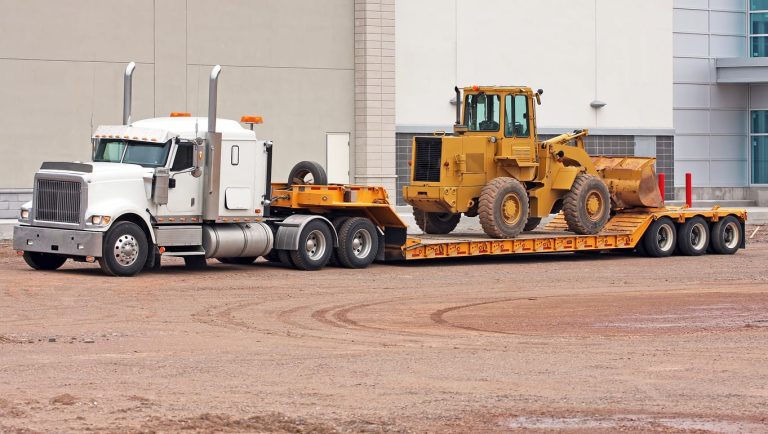
A flatbed trailer handles many box trucks, but height decides: a tall box on a standard flatbed can exceed legal clearance, which is where step deck and drop deck trailers earn their keep, carrying the load lower to keep total height legal without permits where possible.
Give the shipping company exact measurements (height to the top of the box, length, and weight) and dispatch will match the trailer to the truck the first time.

Prepare Your Box Truck for Shipping
Before handing the truck over, it should be clean, empty, and in known working order. Photograph it from all angles and note its condition; the carrier’s inspection at pickup goes on the bill of lading, and your record backs it if any question arises at delivery.
Empty means empty: cargo left in the box adds weight you will pay for, is not covered by the carrier’s cargo insurance, and the shipping company is not responsible if it is damaged or goes missing. Ship the truck, not the inventory.

Arrange Proper Insurance
A box truck is business equipment, and transit damage hits the schedule as hard as the wallet, so insurance is not the place to economize.
The carrier’s cargo insurance covers damage caused during loading, transport, and unloading; confirm the coverage amount matches your truck’s value before dispatch. If you want more protection than the carrier’s policy provides, supplementary coverage through your own insurer is a reasonable add for high-value units.

Conclusion
Shipping a box truck comes down to accurate measurements, an empty and documented truck, and a verified hauler with the right trailer. At Ship A Car, Inc, we arrange box truck transport nationwide with vetted, insured carriers and one coordinator per move. Contact us at (866) 452-3657 if you need more information or want to get started with shipping your box truck.
FAQs
What is the cost of shipping a box truck?
The cost depends on the truck’s size and weight, the trailer required, and the distance and route. Get complete quotes from multiple companies and compare what each includes; a price far below the rest usually signals a problem rather than a bargain.
How long will it take to ship my box truck?
Mostly distance and route, plus a pickup window while the right trailer is dispatched. Oversize permits, where height requires them, can add lead time. Your shipping company should provide an estimated delivery window up front and keep you posted if anything shifts it.