Heavy Equipment Shipping to Hawaii
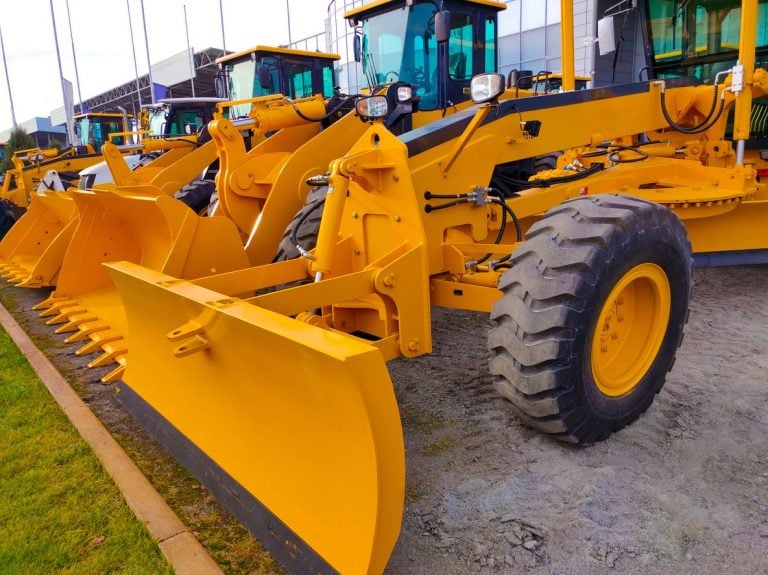
The detail that sinks more Hawaii equipment shipments than any permit or sailing schedule is dirt. Hawaii enforces strict agricultural quarantine, and a machine arriving with soil packed in its tracks, undercarriage or bucket can be refused, held for cleaning, or sent back at your expense. Steam cleaning the machine before it leaves the mainland is not optional preparation. It is the difference between a delivery and a very expensive problem.
Clean It Properly Before It Leaves
Agricultural inspection exists because Hawaii is an island ecosystem with no tolerance for imported pests and seeds, and equipment that has worked in soil is exactly what they are looking for.
That means the undercarriage, inside the tracks, the bucket, the radiator and anywhere mud packs. A rinse is not enough; steam cleaning or pressure washing to bare metal is the standard. Do it before the machine leaves the mainland, because doing it at the port is slower, more expensive and happens while storage accrues.
Keep evidence. Photographs of the cleaned machine and any cleaning receipt are worth having if a question is raised at the far end.
It Is Two Moves, Sometimes Three
Nothing sails from the middle of the country, so the journey breaks into legs and each has its own timeline.
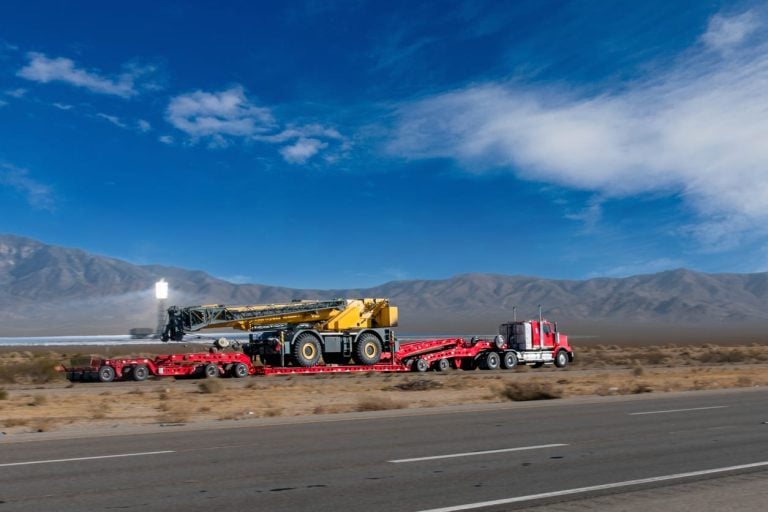
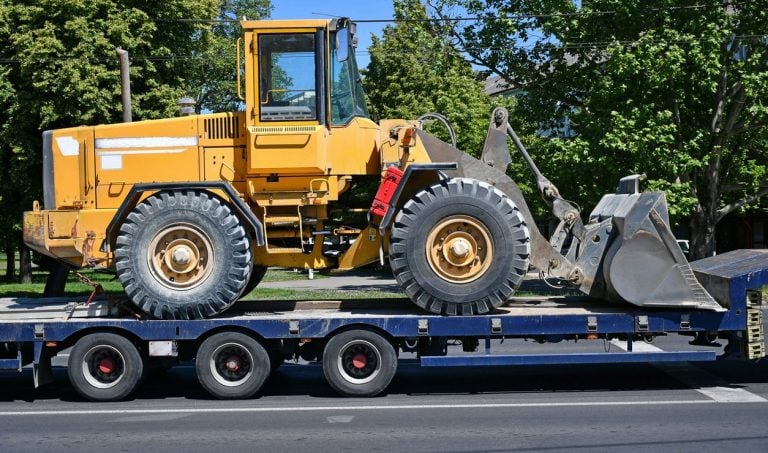
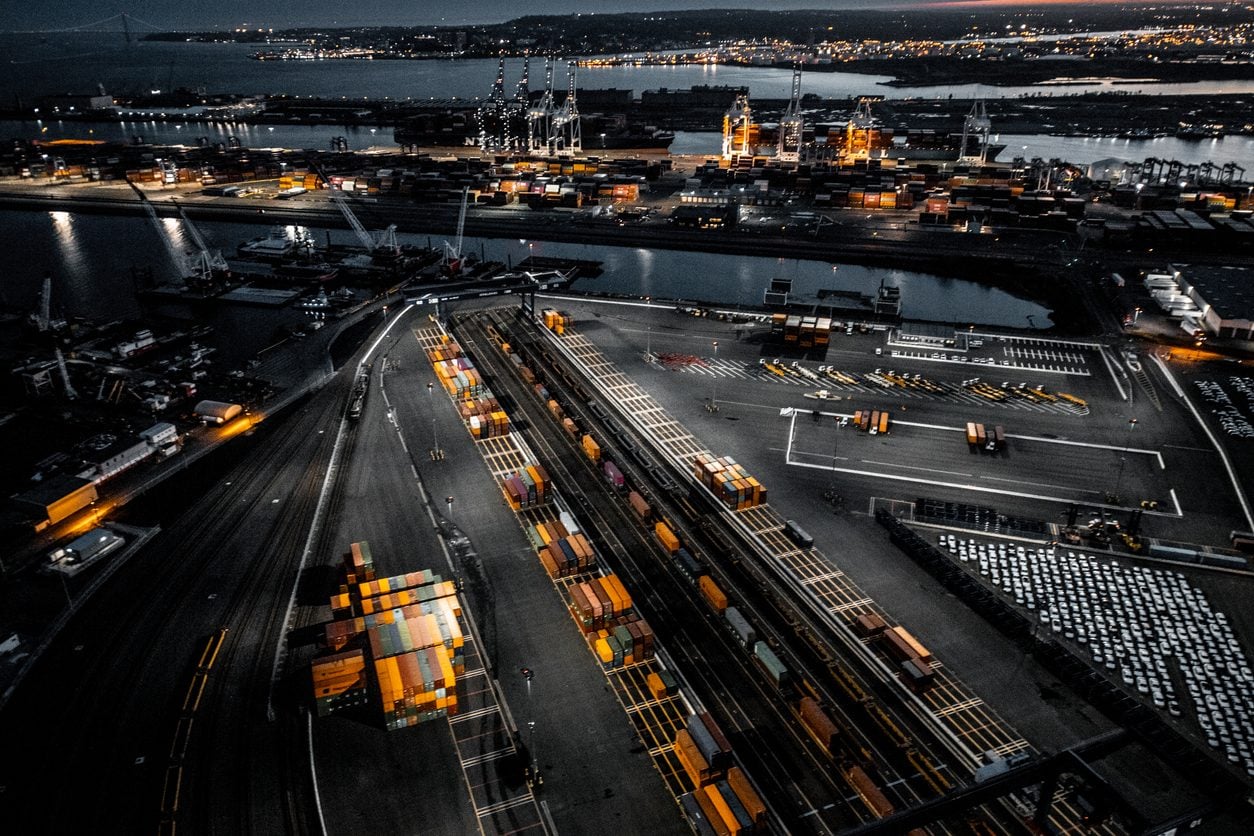
First the machine travels overland to a West Coast port, typically in California or the Pacific Northwest, as an ordinary heavy haul with whatever permits its dimensions require. Then it crosses to Honolulu by vessel. If the destination is Maui, Kauai or the Big Island, an onward inter island barge adds a third leg.
Plan on three to five weeks door to door for a straightforward machine, longer for a neighbor island or anything oversized. The overland leg is the part with flexible timing; the ocean legs are not.
Sailings Are Fixed, and Missing One Is Expensive
This is the scheduling reality that catches people used to mainland trucking.
Vessels sail to a published schedule rather than when your machine is ready. Miss the cut off and the next sailing may be a week or more away, with the equipment sitting at the port accruing storage in the meantime. The overland leg therefore has to be booked to hit a specific vessel, not simply to arrive at the port sometime.
Domestic ocean moves between US ports also have to travel on US flagged vessels under the Jones Act, which is why the sailing options are limited and why the schedule matters as much as it does.

Dimensions Still Matter, at Both Ends
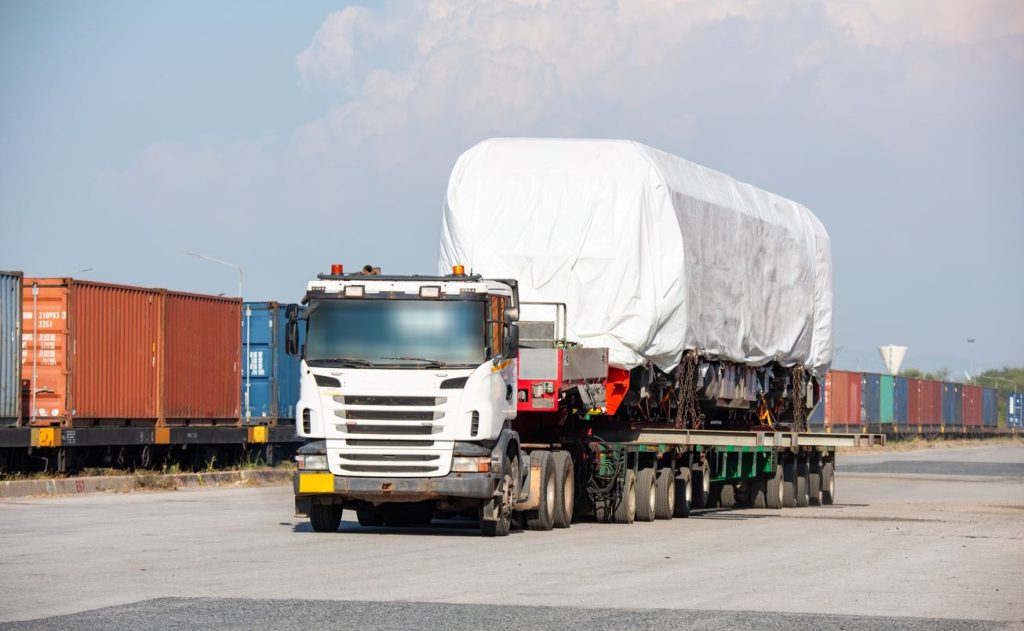
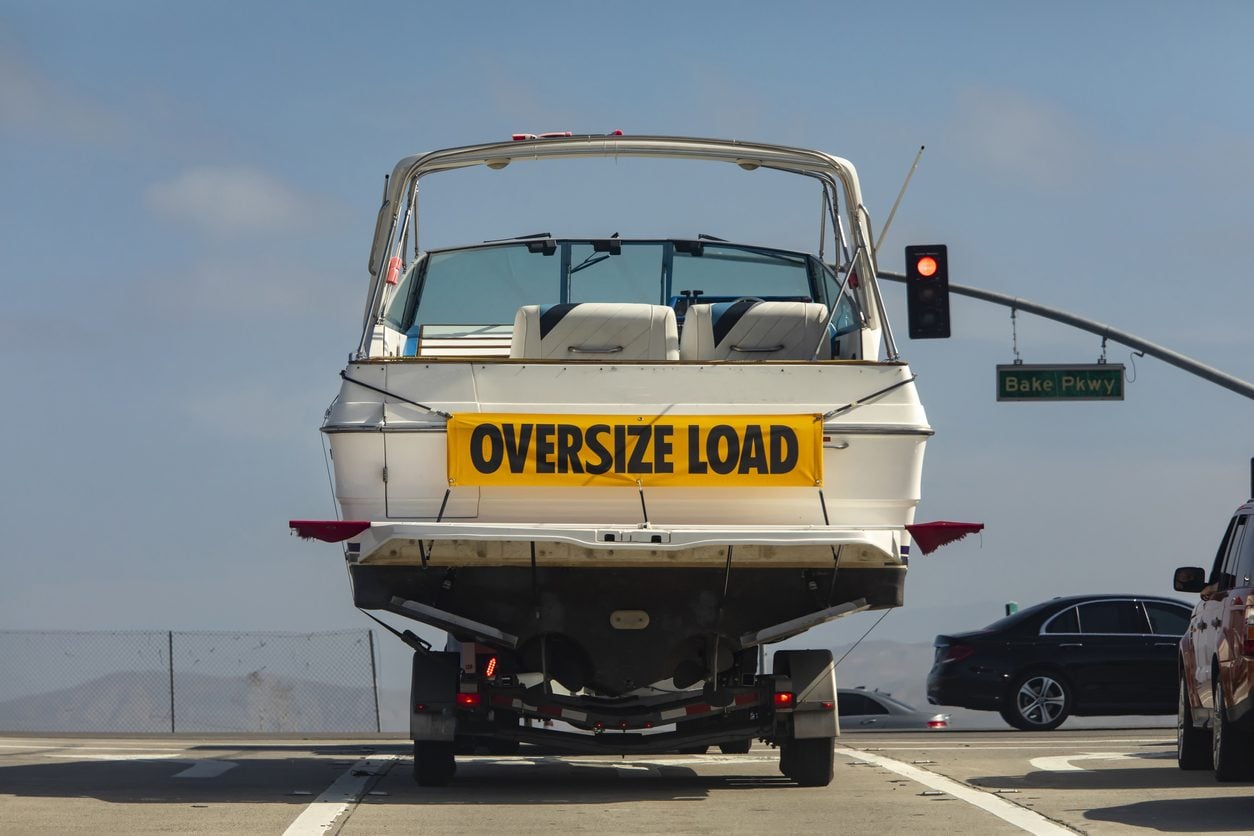
The permit rules on the mainland leg are the ordinary ones: over 8 feet 6 inches wide, 13 feet 6 inches high, or 80,000 pounds gross needs a state permit for every state on the route, with escorts past roughly 12 feet wide.
Hawaii then has its own permitting for the island leg, and island roads are a genuine constraint rather than a formality. Routes are narrower, older and more winding than a mainland interstate, and what moves easily across Nevada may need a route survey on Maui. Give the measured dimensions early so both ends can be checked before anything ships.
As on the mainland, take off what comes off. The bucket, counterweight, blade and stack all reduce the envelope, and on an ocean leg priced partly by measured volume that reduction is worth real money.
Preparing the Machine
Clean it, as above, and treat that as the first job rather than the last.
Then the usual: lower and pin attachments, reduce fuel to the level the carrier asks for, disconnect the battery if it will sit, and note anything unusual about starting or moving it. Seal any hydraulic connections opened during dismantling.
Photograph every side including the undercarriage before it leaves, because with three handoffs there are more points at which condition can be disputed. Walk it with the driver at collection so the condition report is agreed before it moves.
What to Tell Us When You Book
The make, model and working weight. Measured width and height with removable parts off. Whether it runs and steers under its own power. The exact island and delivery address, because a neighbor island adds a leg. And your deadline, since that determines which sailing we aim for and therefore when the overland leg has to start.
Common Questions
Why does my machine need cleaning? Hawaii enforces agricultural quarantine. Soil in the tracks or undercarriage can get the machine refused or held.
How long does it take? Three to five weeks door to door typically, longer for a neighbor island or an oversized machine.
Can it go direct to Maui or Kauai? It routes through Honolulu and transfers to an inter island barge, which is the third leg.
What if it does not run? That is fine, but declare it. It changes the loading plan on the road leg and at the port.
Does it have to be dismantled? Not necessarily, but removing the bucket, counterweight and blade lowers both the permit burden and the ocean cost.
Get a Quote
Call Ship A Car, Inc. at (866) 452-3657 for heavy haul and specialized freight, with the model, measured dimensions, the destination island and your deadline.