How to Transport Heavy Equipment to / from the State of Florida
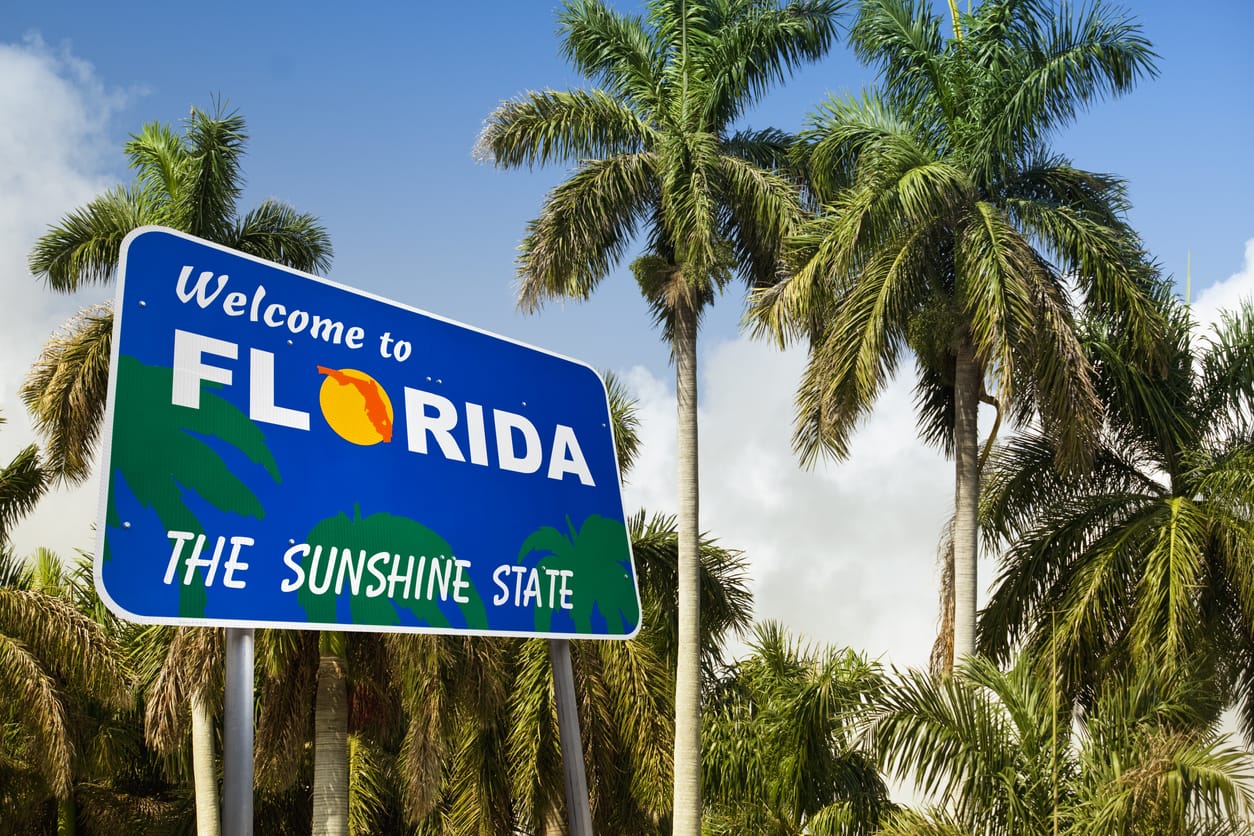
Florida moves more heavy equipment than almost any state: construction machinery for a building boom that never quite stops, agricultural equipment across the interior, and export cargo through the ports of Jacksonville, Miami, Tampa, and Everglades. Shipping to or from anywhere in the state comes down to matching the machine to the right trailer, preparing it properly, and booking a hauler whose insurance and credentials you have verified.
Ship A Car arranges heavy equipment shipping to and from every corner of Florida, whether you’re shipping machinery from West Palm Beach, moving equipment from Daytona Beach to an ocean port for export, or bringing a fleet down I-75 or I-95 to a new job site.
Heavy Equipment Transport Cost
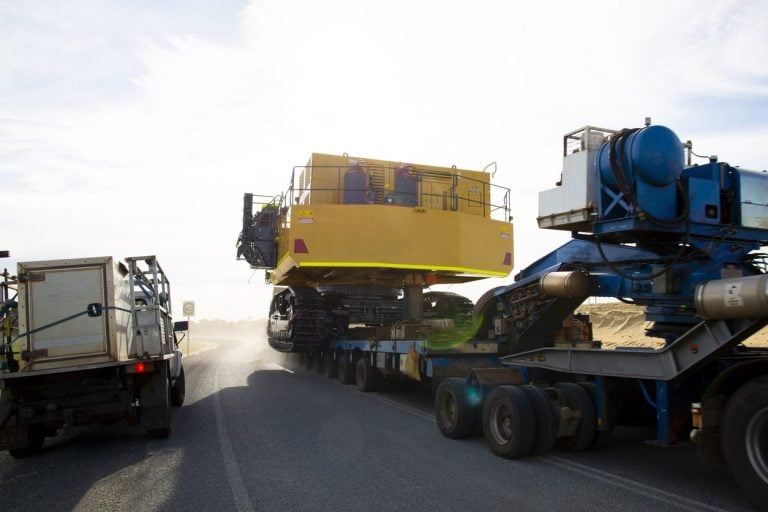
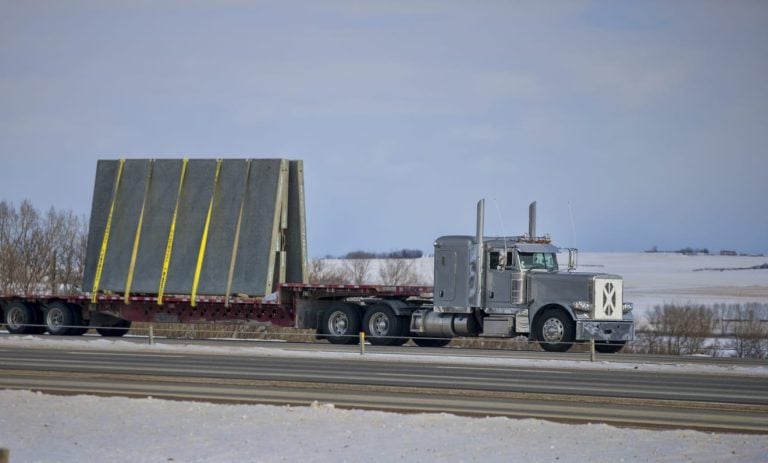
Cost is set by the machine’s dimensions and the route: length, width, height, and weight determine the trailer class (flatbed, step deck, lowboy, or RGN) and whether the load needs oversize permits, and the travel distance does the rest. Domestic and international moves both start from those numbers, and an accurate spec sheet up front is the difference between a quote that holds and a repricing at pickup.
Is It Safe to Ship Your Heavy Equipment?
Yes, when the securement is professional: rated chains at the manufacturer’s tie-down points, weight balanced across the trailer axles, and a route planned for the load’s height and width. That is routine work for carriers who haul machinery daily.
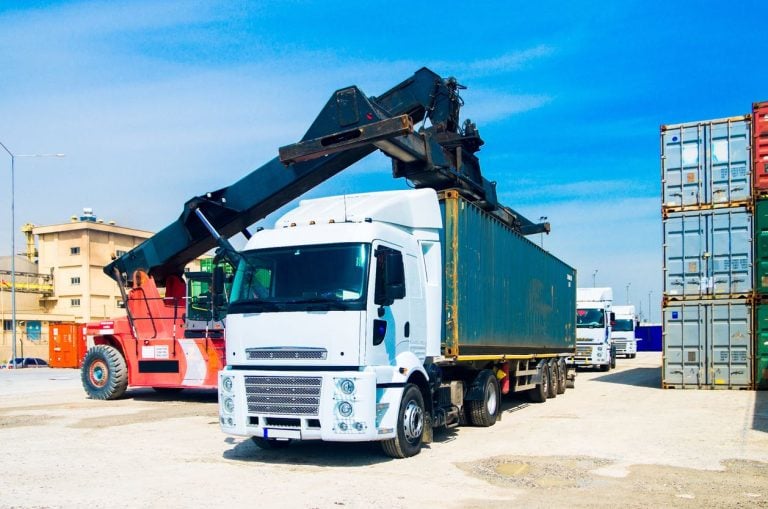
Florida’s port access makes it a natural hub for export moves as well: Fort Lauderdale and the state’s other ports connect road haulage to ocean freight, and Ship A Car coordinates the inland leg to the dock as part of the booking.
Types of Heavy Equipment You Can Ship
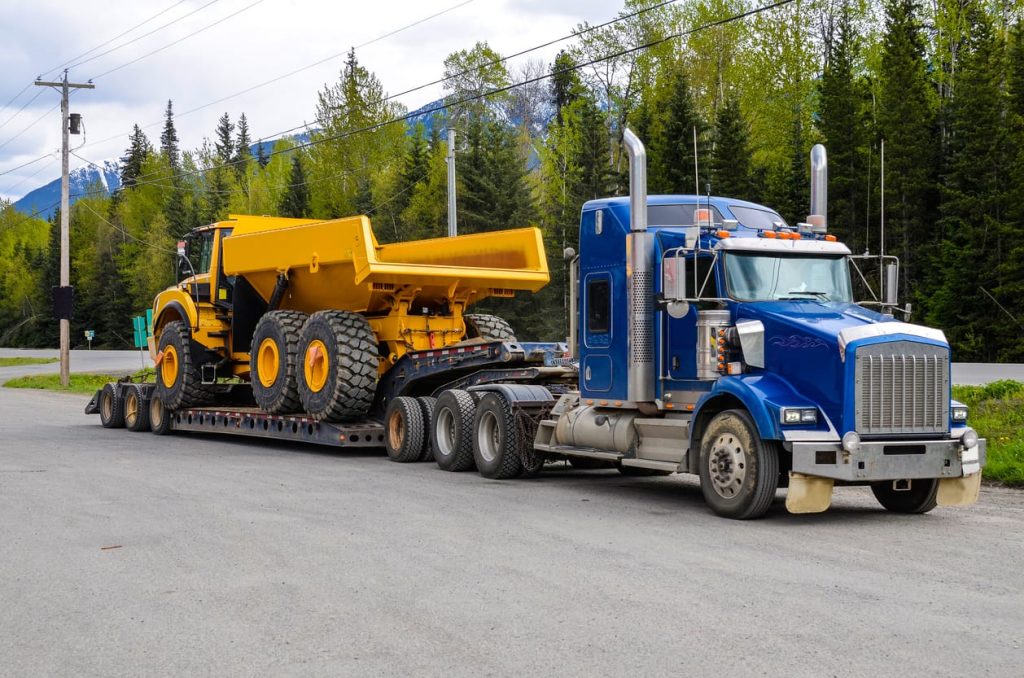
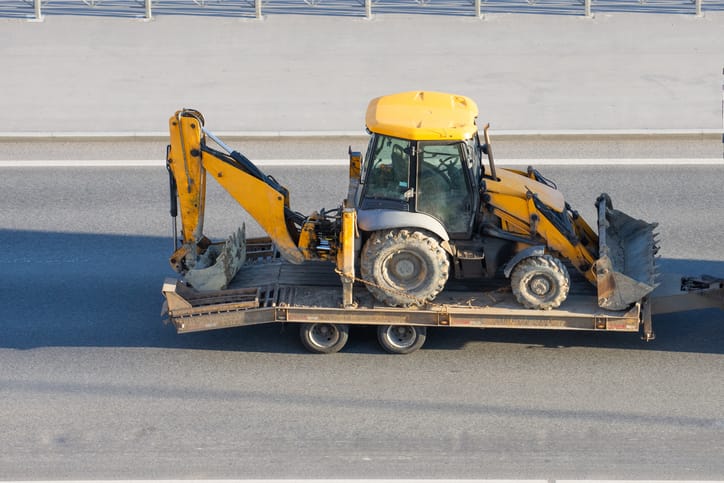
Here are a few examples of the heavy machinery you can send to or from Florida with our company:
- Dump trucks
- Forklifts
- Hydraulic machinery
- Vehicle engines and motors
- Graders and track loaders
- Pile drivers
- Heavy trucks and vehicles
And many more.
Contacting us directly is the quickest way to scope your move: our experts walk you through the Florida heavy haul process and give you a free estimate so you can budget the project accurately.
Ship A Car works with Florida contractors, dealers, and exporters daily, and your equipment rides with carriers vetted for exactly this class of load.
What to Consider When Shipping Heavy Equipment?
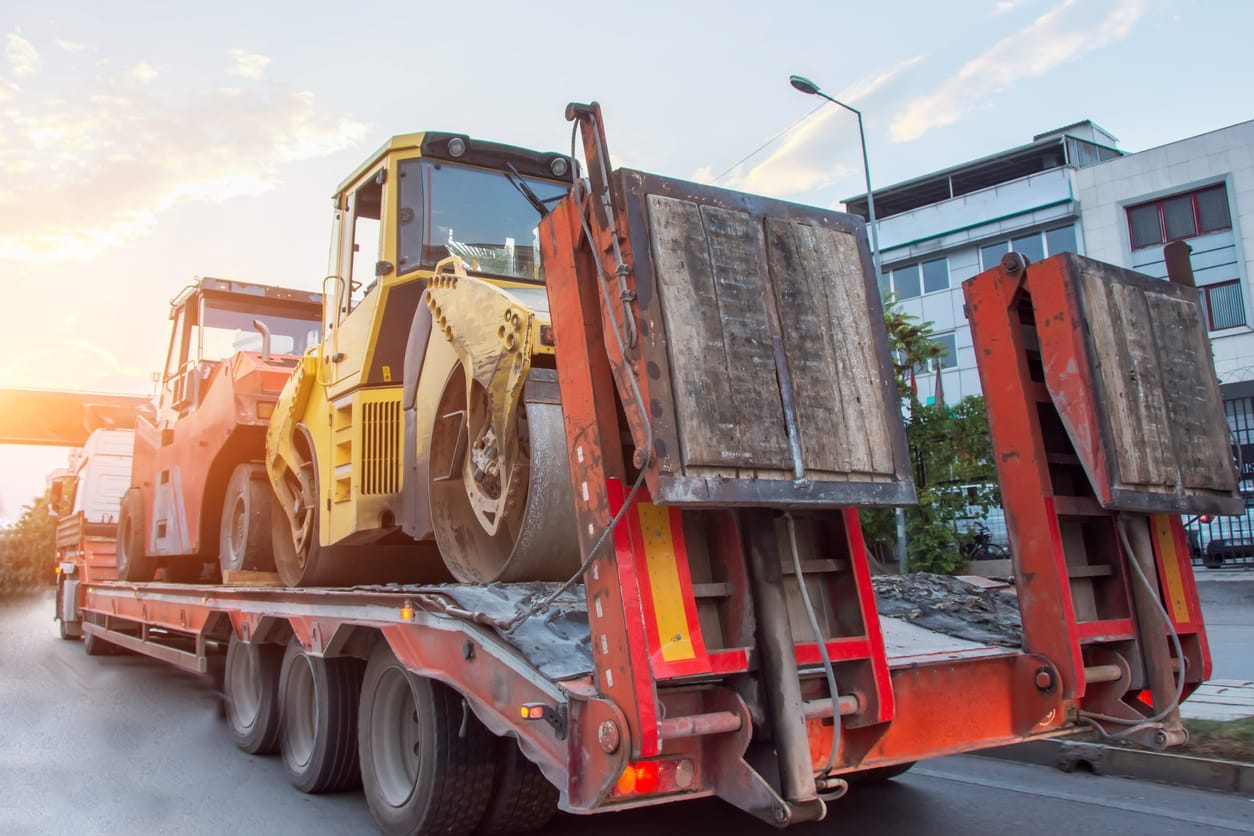
Heavy equipment moves reward preparation and punish shortcuts. The company you choose should follow the safety measures below as standard practice, and if your machine is heading overseas, the export paperwork deserves the same care as the physical prep.
Here is the crucial information for shipping heavy equipment, domestic or export.
Assembling the Equipment
Proper preparation protects the machine and keeps the schedule. Before pickup:
- Do a safety check and clean the equipment so the condition inspection is accurate.
- Reduce fuel to the minimum the move requires (export shipments typically require near-empty tanks), and fix any fluid leaks.
- Ensure that all instruments and loose parts are locked or removed.
- Disconnect batteries and disable alarm systems for the transit.
- Consult the manufacturer’s instructions for correct transport and packaging procedures.
- Cover exposed sections, such as stacks and vents, to protect them from the elements on open trailers.
- Leave enough clear space around the machine for the operator to load it safely.

Insurance and Paperwork
Federal law requires carriers to hold cargo insurance, which makes verified coverage the first benchmark for any hauler you consider, and the coverage amount must actually match your machine’s value.
Ship A Car confirms carrier insurance before every dispatch, and we are a licensed, bonded FMCSA broker (USDOT 2303542, MC 784930), so the verification is checkable rather than promised.
For export moves, budget for the full paperwork stack alongside the freight itself, including:
- Charges for related freight.
- Individual examination cost.
- Port expenses.
- Tariffs and customs fees.
- Charges for particular zones.
- Charges for the carrier.
- Late fees.
- Container administration fees.
- Locational fees.
- Fees for inland delivery.
- Cargo protection.
- Courier and paperwork charges.
The price of shipping your heavy equipment to or from Florida then depends on two machine-side factors:
Density of Equipment
Density (the shipment’s weight per cubic foot) is the industry-standard measure combining the machine’s weight and size, and it drives the shipping method, handling, and speed of delivery.
Measure the machine as a box: height, width, and length including outlying extremities such as masts or antennae, plus any pallet or packaging. That density figure is what lets a dispatcher choose the right trailer and quote the move accurately the first time.
Destination of Equipment
The destination brings its own line items: tolls and route restrictions domestically, and tariffs, license taxes, and port fees on international moves. A hauler who runs your destination regularly will name those costs up front instead of letting them surprise you.

Conclusion
Heavy equipment shipping is a specification game: accurate dimensions, honest preparation, and verified insurance turn an intimidating move into a routine one. Ship A Car handles Florida heavy haul in both directions and the export leg to the ports; call a heavy haul specialist at (866) 452-3657 for a free estimate on your machine.