Trailer Transport: Moving Heavy Equipment Nationwide
The trailer decides the job. Before anything else about a heavy equipment move can be quoted, somebody has to establish which trailer the machine needs, and that follows from three numbers: measured height, measured width and actual weight. Get those right and the rest is routine. Get them from a brochure and the load gets stopped.
Here is what each trailer type handles and what we need from you to price a move accurately.
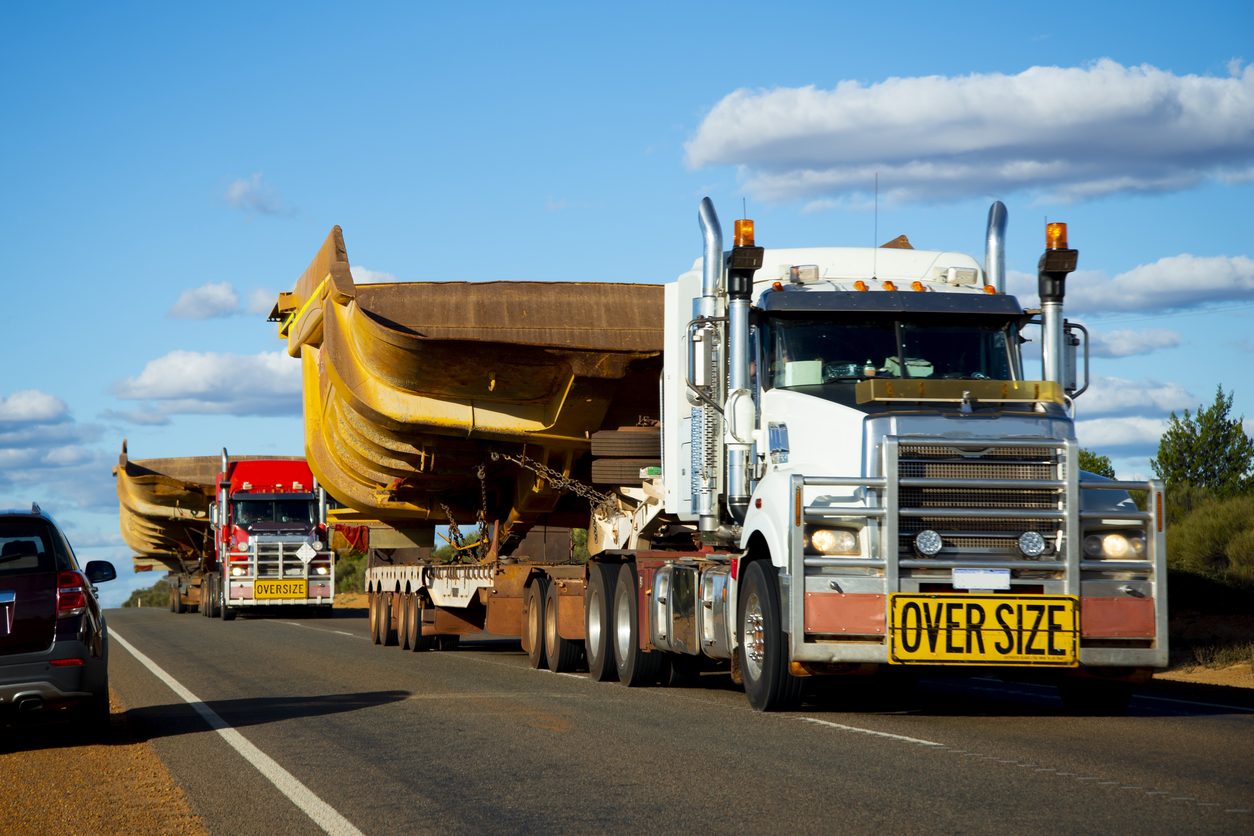
The Legal Limits You Are Working Against
Standard limits are 8 feet 6 inches wide, 13 feet 6 inches high on the Interstate system, and 80,000 pounds gross with 20,000 on a single axle and 34,000 on a tandem. Some states allow more height on their own highways.
Height is where most people are caught out, because height includes the trailer. A flatbed deck sits around 5 feet off the road, so a 9 foot machine is already at 14 feet before anyone measures the cab. That single fact is why deck height is the first thing a heavy haul planner asks about.
Choosing the Trailer
Flatbed. Deck around 5 feet. Suits smaller equipment: skid steers, mini excavators, attachments, and anything short enough that the deck height does not matter.
Step deck. Drops the main deck about a foot below a flatbed, buying roughly 12 inches of height. Handles mid size machines and much agricultural equipment.
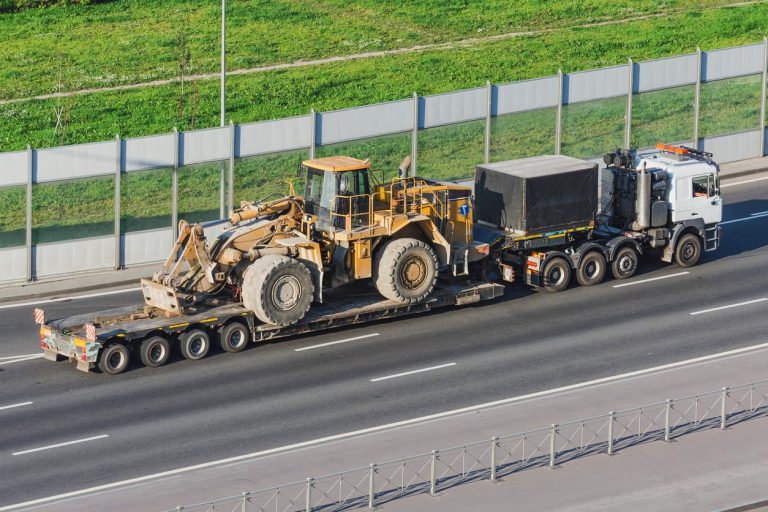
Lowboy or removable gooseneck. Drops the deck considerably further, often to around 18 to 24 inches. This is what large dozers, excavators and cranes travel on. A removable gooseneck detaches so the machine can drive on from the front rather than up ramps, which matters for tracked equipment.
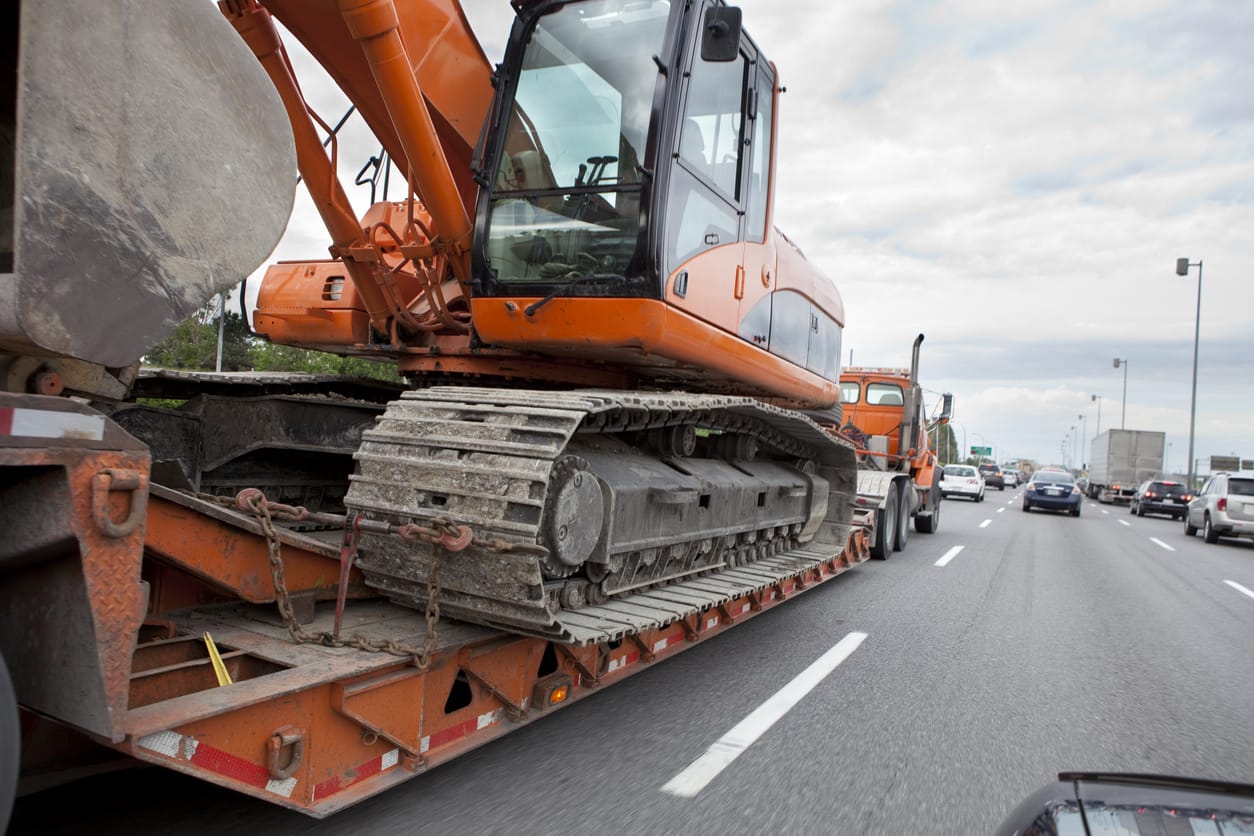
Multi axle and stretch configurations. Additional axles spread weight to satisfy the federal bridge formula, which limits how much weight may sit within a given axle spacing regardless of the gross figure. Stretch trailers extend for long loads. These are what superloads travel on.
Permits, Escorts and Route Survey
Past any legal limit the load needs an oversize or overweight permit, issued state by state against a specific machine, configuration and route. Routine permits are normally issued quickly. A multi state move needs one from each state and they do not all work the same way.
Wider loads bring escort vehicles into the picture, with thresholds set by each state and varying with road type. The largest loads require engineering review of the structures on the route.
Movement on permits is generally daylight only on weekdays, with holiday restrictions. That turns what looks like a two day run into a week, and the overnight stops have to be somewhere a permitted load can legally and safely sit.
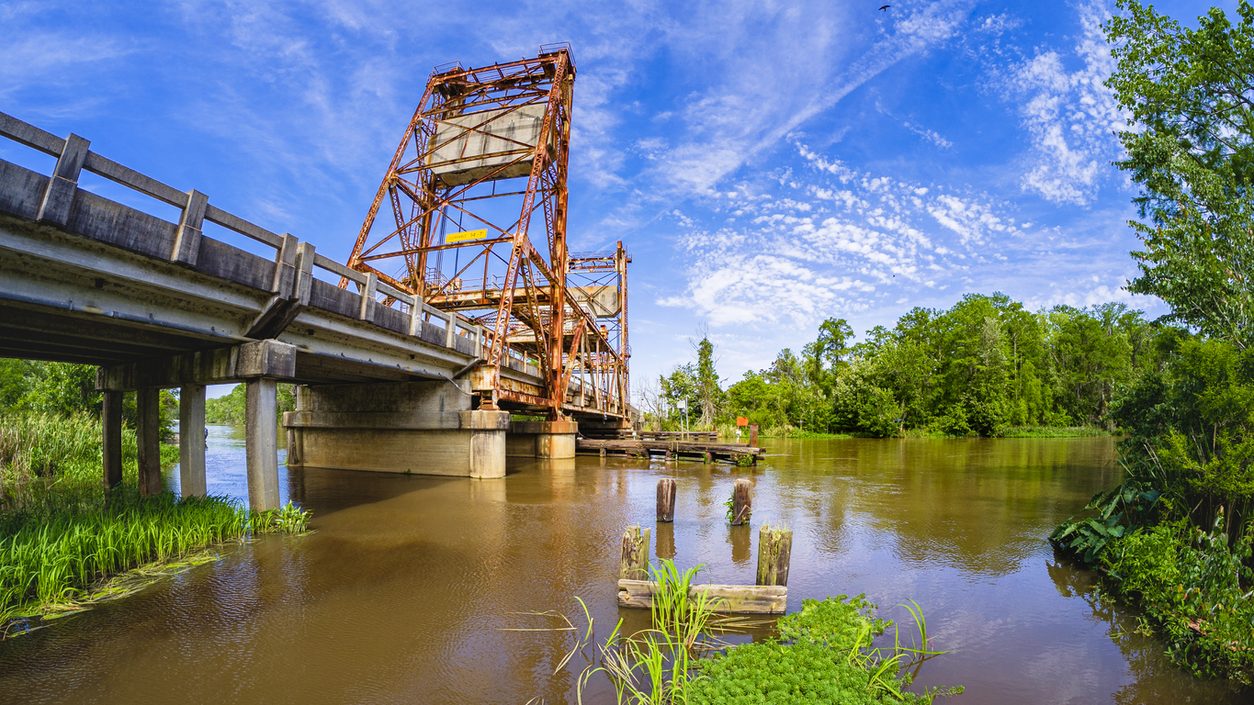
Bridges are the constraint that ends routes. A posted weight limit is a hard stop, not a suggestion, and rural bridges built for farm traffic will not take a 90,000 pound permitted load. Our guide to wide and oversize loads covers those rules in detail.
Ground Conditions Decide Loading
Two sites, two sets of questions, and both need answering before a truck is dispatched.
A lowboy needs firm level ground to load on, and a tracked machine driving onto a deck needs room to line up straight. Soft ground, a slope or a confined yard can mean the difference between a straightforward load and needing a crane, and a crane is a separate mobilization cost that nobody wants to discover on the day.
Say what the surface is, whether there is room to maneuver a 70 to 100 foot combination, and whether overhead cables or gantries cross the approach.
What We Need to Quote It
Give the make, model and year, then the three numbers, measured rather than looked up.
Weight from the manufacturer’s specification or a certified scale, including everything traveling with the machine: counterweights, attachments, full tanks and fluid filled tires all add weight that is invisible from outside.
Width and height measured to the widest and highest fitted point. Brochure figures routinely omit mirrors, exhaust stacks, cab guards and whatever the last owner bolted on.
Then say whether it runs and drives under its own power, whether it steers and brakes, and what the ground conditions are at both ends. A machine that has to be winched onto a deck is a different job from one that drives on.
Reduce the Envelope Before You Book
This is where real money is saved, and it takes an afternoon in the yard.
Removing a header, folding a planter, taking off a bucket, dropping a boom, removing counterweights or swapping wide pads can bring a load under a threshold. Under the threshold means no permit, no escort, no daylight only restriction and no route survey, and those four together frequently cost more than the transport itself.
Then secure or remove anything loose, drain what needs draining, and clean the tracks and tires, because carried soil is both weight and a road hazard. Photograph the machine in daylight from every side before loading, including the undercarriage and the hour meter, and get existing damage described specifically on the bill of lading rather than as general wear.
Common Questions
Which trailer does my machine need? It follows from measured height and weight. Flatbed for small equipment, step deck for mid size, lowboy or RGN for large machines.
Why does deck height matter so much? Because legal height includes the trailer. A flatbed adds about 5 feet before the machine is measured.
What triggers a permit? Anything past 8 feet 6 inches wide, the applicable height limit, 80,000 pounds gross, or an axle limit.
Why do permitted moves take so long? Daylight only weekday movement, escorts, and routes that avoid weight restricted bridges.
How can I reduce the cost? Reduce the envelope. Removing an attachment or counterweight to get under a threshold saves the permit, the escorts and the restrictions together.
Get a Quote
Call Ship A Car, Inc. at (866) 452-3657 for heavy haul and specialized freight with the machine’s make and model, its measured width, height and weight, and both site addresses, or price it with the specialized transport calculator.