The Cheapest Way to Ship a Motorcycle
The cheapest way to move a motorcycle is almost always open transport with a flexible pickup window, booked outside riding season. Those three choices together typically separate the low end of the market from the high end far more than anything else you can control.
Here is what each option costs relative to the others, and where cutting cost stops being sensible.

The Three Transport Types, Cheapest First
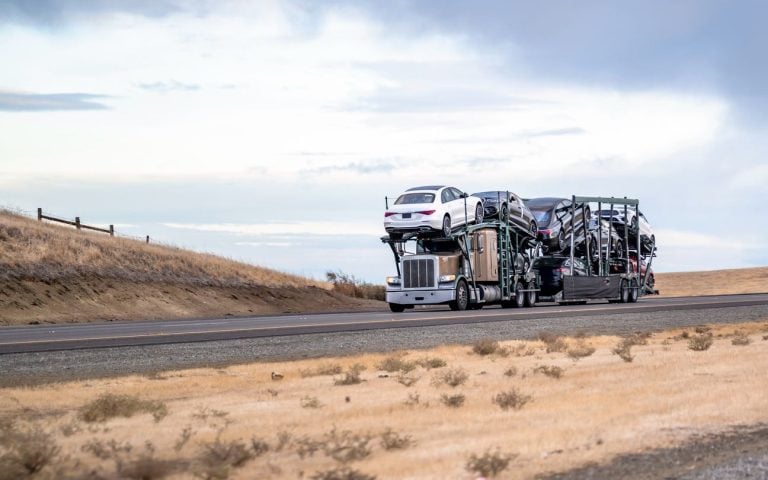
Open transport is the least expensive. The bike travels on an exposed trailer, secured upright in a wheel chock, and is subject to weather and road spray for the trip. For an ordinary bike being moved a moderate distance, it is the sensible default.
Enclosed transport costs meaningfully more. The bike travels inside a trailer, out of the weather. Enclosed carriers frequently move several bikes together in equipment built for it, and it is the standard choice for anything valuable, freshly restored or unusual.
Crated is the most expensive and is normally reserved for overseas shipments or genuinely irreplaceable machines. You are paying for the crate as well as the freight.
Where the Real Savings Are
Flexibility on dates. A two or three day pickup window lets a carrier fit the bike into a route it is already running. A fixed date makes the carrier build around you and prices accordingly. This is the single largest saving available and it costs nothing.
Season. Motorcycle transport follows riding season. Spring and early summer are busiest as bikes move north and toward rally destinations, and autumn has its own southbound peak. Deep winter is the quiet season across most of the country and prices reflect it.

Terminal instead of door to door. Genuinely cheaper on paper, and worth considering if the terminals happen to be convenient. Count the cost properly though: two journeys of your own, possible storage fees, and the bike being handled by facility staff rather than only by the driver who secured it.
Sharing a load. If you are moving more than one bike, or can travel with someone else’s, per-bike cost falls sharply. Carriers price a trailer, not a machine.
Where Cutting Cost Stops Making Sense
Two places, and they are worth naming.
The first is securing. A motorcycle does not stand up by itself, and how it is strapped decides whether it arrives undamaged. It should go into a wheel chock with soft straps over the bars or frame and the suspension slightly compressed. A carrier arriving with only ratchet straps and no chock is not equipped for the job, whatever the price. Bent bars and marked paint cost more than the saving.
The second is an outlier low quote. A price well below the others on the same route is usually not a better deal; it is a price no carrier has accepted, and the pattern that follows is silence and then a revision. Ask directly whether a quote is one a carrier has taken.

What Insurance Actually Covers
Worth settling before booking rather than after something happens.
The carrier holds cargo insurance with a defined limit, and that limit is normally per load rather than per bike. On a trailer carrying six motorcycles, a figure that sounds generous divides into something much smaller. Ask what the limit is in numbers.
Your own policy may or may not cover the machine while it is in someone else’s care, and many do not. That gap is where disputes happen, so a short call to your insurer before the bike moves is worth more than any amount of reading afterwards.
For a genuinely valuable machine, ask whether supplementary cover is available. It usually is, and on a bike worth more than the standard limit it is the cheapest part of the whole job.
Preparing the Bike
Wash it so existing marks are visible, then photograph it in daylight from every angle including the tank, fairings, wheels, exhaust and odometer. Photograph every existing scratch and stone chip specifically.
Leave about a quarter tank of fuel. Check the tires hold pressure and the battery is charged, because a bike that will not roll or start is harder to load and can attract a charge. Remove anything loose or easily taken: a GPS unit, a tank bag, a detachable top box, any accessory not bolted down. Fold or remove protruding mirrors, disable an alarm or explain it, and provide a key.
Note any starting quirk in writing. A fuel tap that must be set a particular way, or a kill switch in an unusual place, should not be something the driver has to work out. The wider process is covered in shipping a motorcycle.
One more saving worth knowing: if the bike is going to a dealer, a rally or an event, ask whether anyone else is shipping to the same destination on the same dates. Carriers price the trailer rather than the machine, so a shared load is the single largest discount available on a motorcycle move.
And be honest about condition when you book. A bike that will not roll, will not start, or has a flat is a different job from one that does, and discovering that at the curb is how a cheap move becomes an expensive one.
Common Questions
What is genuinely cheapest? Open transport, a flexible pickup window and booking outside riding season.
How much more is enclosed? Meaningfully more, and it is the right choice for a valuable, restored or unusual machine.
Is terminal shipping worth it? Sometimes, if the terminals are convenient. Count your own journeys and any storage time before assuming it saves.
Does shipping two bikes cost double? No. Carriers price the trailer, so per-bike cost falls when you move more than one.
What should I never economize on? Securing. A wheel chock and soft straps are not optional, whatever the quote says.
Get a Quote
Call Ship A Car, Inc. at (866) 821-4555 with the make and model, both zip codes and your date range, or price the move with the instant calculator.