Vehicle Types and How Each One Ships
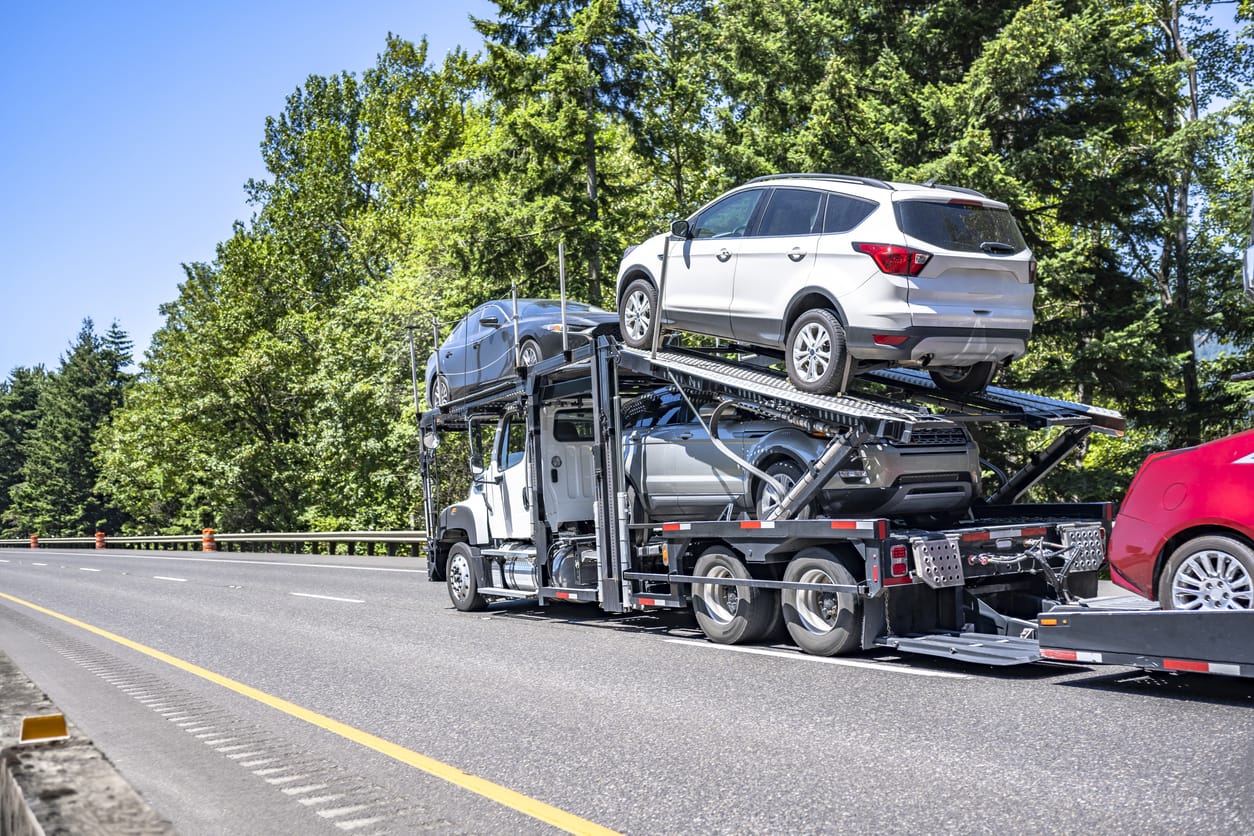
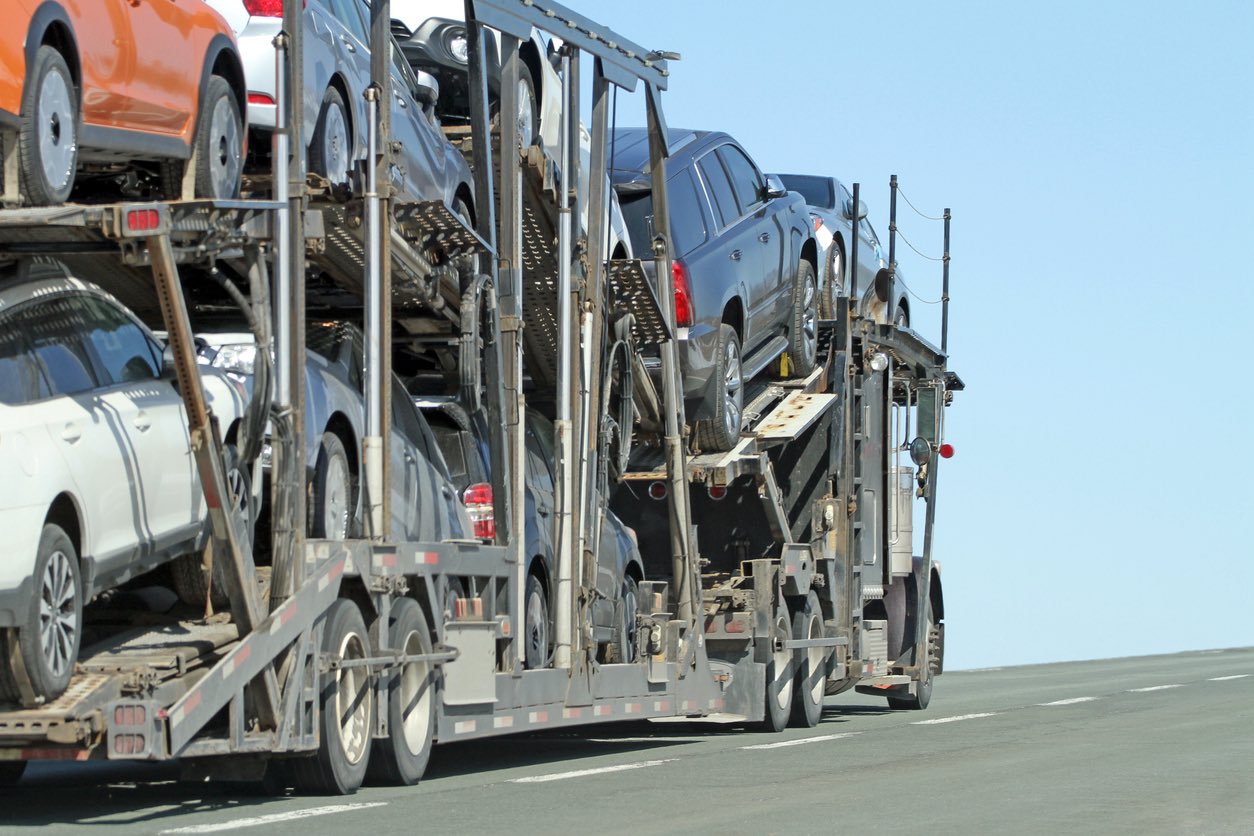
What you are shipping changes the price and the equipment as much as where it is going. A carrier quotes on the space a vehicle occupies, the weight it adds and whether it can be driven onto the trailer, so a full size truck and a compact sedan on the identical route are not the same job. Most vehicles are entirely routine. A handful of categories genuinely need different handling, and knowing which one yours falls into is what keeps a quote stable from booking to delivery.
How Each Type Is Treated
The Categories That Genuinely Differ
Most vehicles are just a size on a trailer. These four need something specific.
Electric vehicles. They are heavier than a comparable gasoline car because of the battery pack, which affects how a load is balanced. Leave the charge somewhere around 30 to 50 percent rather than full or empty, which is what most carriers ask for and is comfortable for a car sitting several days. If it will not start, say so early, because many EVs cannot be shifted into neutral without power and that changes the loading method entirely.
Lifted or modified vehicles. This causes more failed pickups than anything else on the list. A lift kit, oversized tires, a roof rack or a light bar adds height a carrier planned for, and the space above each slot is finite. Measure to the highest fixed point and give that number when you book.
Lowered vehicles. The opposite problem. A splitter, air dam or serious lowering makes ramp angle a real risk, which is why enclosed carriers with hydraulic lift gates are often the answer rather than a luxury choice.
Non running vehicles. Three separate questions, and carriers price them differently: does it start, does it roll, and does it steer and brake. A car that rolls and steers is winched onto the deck. One that does not is a different job with different equipment. All wheel drive adds a wrinkle, because such a vehicle cannot be towed with two wheels down and must go fully onto the trailer.
Where Vehicles Stop Being Cars
There is a line past which a vehicle stops being ordinary freight and becomes a permitted oversize load. In broad terms that is wider than 8 feet 6 inches, taller than 13 feet 6 inches, or over 80,000 pounds gross.
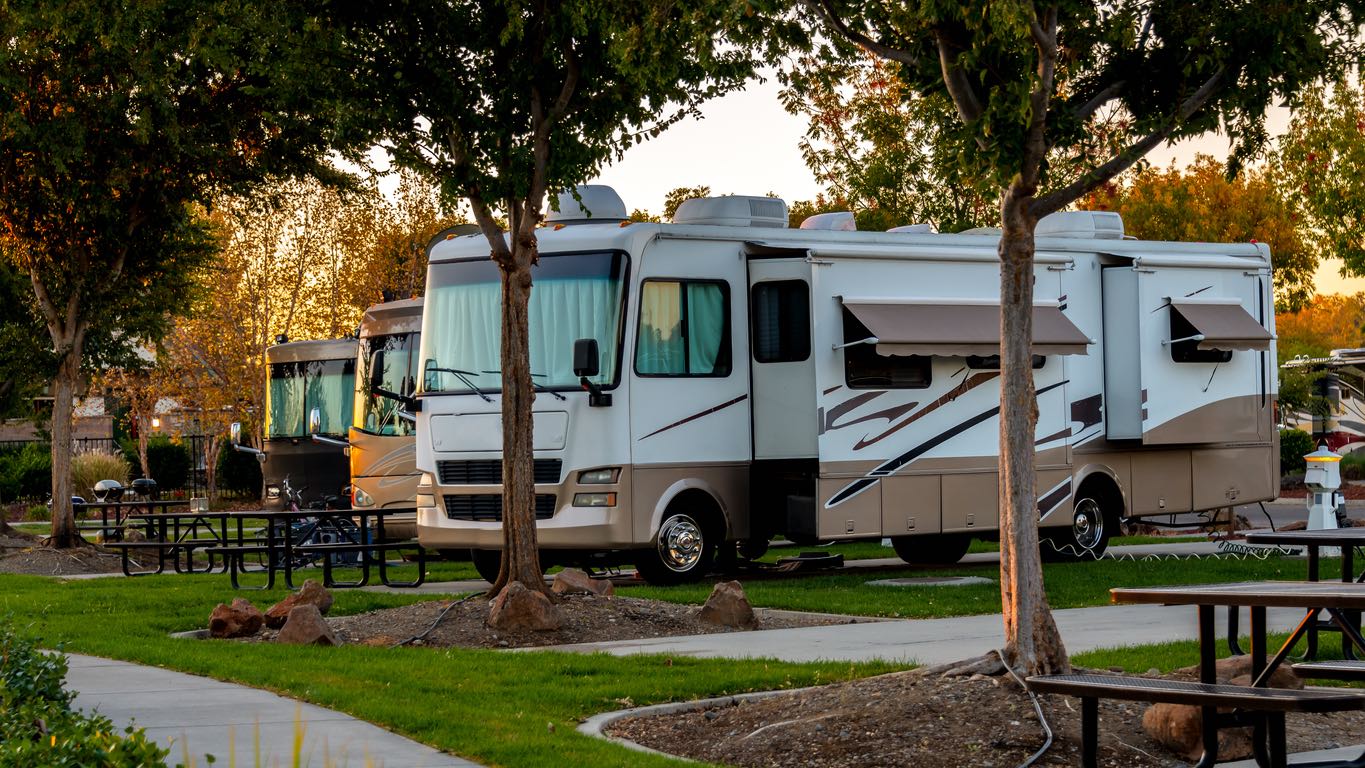
Motorhomes, larger boats on trailers, farm and construction equipment and some commercial vehicles sit at or past those limits. Once you cross one, the move needs an oversize permit from every state on the route, sometimes escort vehicles, and travel is generally restricted to daylight on weekdays. Our guide to transporting an RV or motorhome covers that in detail.
Why Accuracy at Quoting Time Pays
Every category above is knowable before a truck is dispatched, which means every associated cost is knowable too. A quote that changes on pickup day almost always traces back to something the carrier learned at the curb rather than at booking.
Give the year, make and model rather than “a mid size SUV”, say plainly whether it runs, rolls and steers, and mention any modification that changes its dimensions. It takes an extra minute and it is the difference between a firm number and a renegotiation with a driver who has the wrong trailer.
Preparing Any Vehicle
The basics do not change by category, and the pre-pickup checklist covers them. Wash it so existing marks are visible, photograph every panel in daylight including the roof, empty it completely, and leave about a quarter tank of fuel or 30 to 50 percent charge on an electric vehicle.
Then add whatever your category needs: remove the roof rack, retract or secure anything that projects, and tell the driver about a weak battery, a sticking parking brake or an alarm that triggers easily.
Common Questions
Why does an SUV cost more than a sedan? It occupies more of the trailer and adds weight, typically 10 to 25 percent depending on size.
Do electric vehicles cost more to ship? Modestly, because of weight. The bigger point is charge level, ideally 30 to 50 percent.
What counts as oversize? Broadly over 8 feet 6 inches wide, 13 feet 6 inches tall, or 80,000 pounds gross. Then permits apply.
Does a lift kit really matter? Yes. It changes the height a carrier planned for and is a common cause of a failed pickup.
Can you ship a car that does not run? Yes, with winching. Say whether it rolls and steers, because that changes the equipment.
Get a Quote
Call Ship A Car, Inc. at (866) 821-4555 with the year, make, model and any modifications, or price the move with the instant calculator.