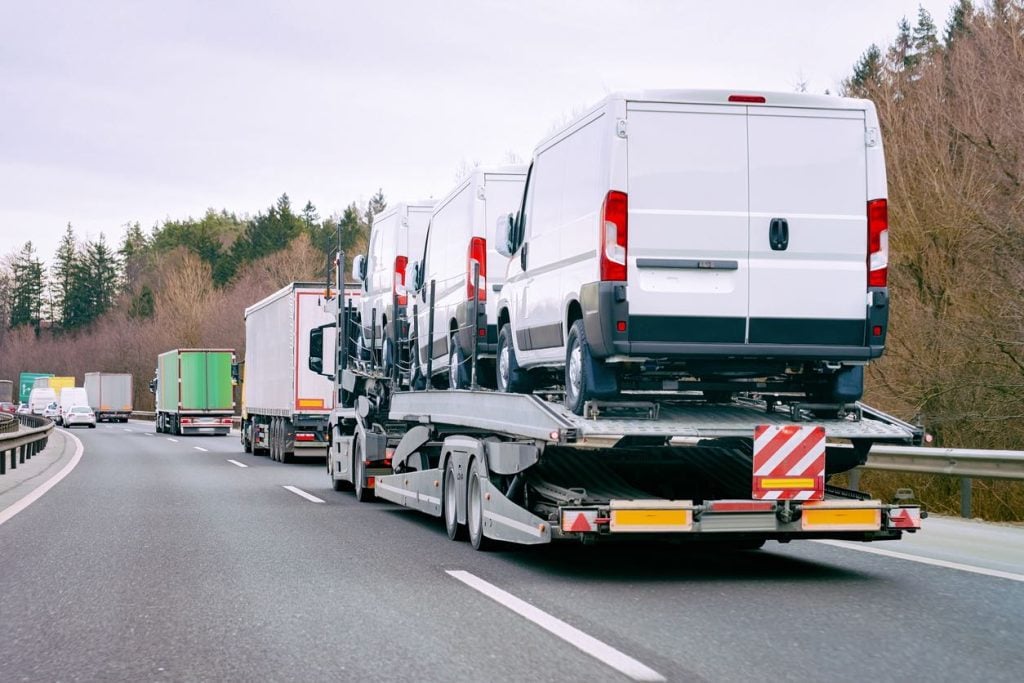
RVs and motorhomes move three ways: driven by a professional driveaway service, towed, or hauled on a specialized trailer for units that cannot ride on their own wheels. Height and weight decide the method, and prep means securing everything inside, since an RV interior in transit is a moving room. The full guide below.
Safely Moving Oversized Vehicles: A Guide for Transporting RVs and Motorhomes
Transporting large vehicles such as RVs and motorhomes requires a specialized approach beyond conventional car shipping methods. However, the process doesn’t have to be daunting. By focusing on key details and following a few essential steps, you can ensure a swift, secure, and hassle-free journey for your vehicle. This comprehensive guide provides all the necessary information and walks you through the steps required for a successful and satisfactory shipping experience.
Research Reliable Transport Companies
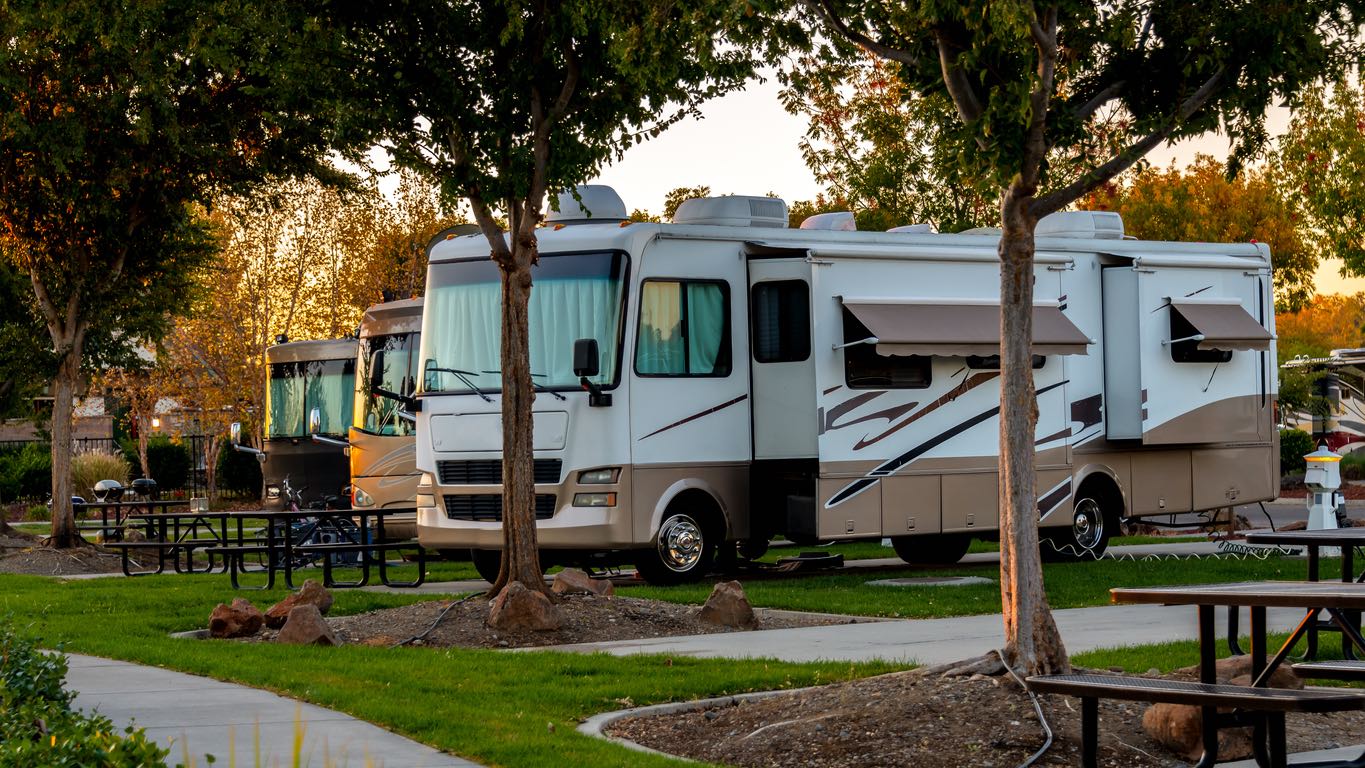
Embark on your journey by thoroughly researching reputable transport companies that specialize in handling large vehicles. This initial step holds immense importance as it sets the tone for your entire shipping experience. Seek recommendations from acquaintances and delve into online reviews on trustworthy platforms like the Better Business Bureau (BBB). Prioritize companies with a proven track record of reliability and customer satisfaction in transporting large vehicles. Your research will yield a selection of potential companies to entrust with the transportation of your sizable vehicle.
Request and Compare Quotations
Proceed by requesting quotes from multiple shipping companies, providing them with comprehensive details about your transport requirements. Share information such as the vehicle’s type, make, dimensions, and the distance to your intended destination. Upon receiving the quotes, conduct a thorough comparison that extends beyond cost. Evaluate the level of services each company offers to make an informed decision. Be cautious of quotes that appear overly enticing, as they might indicate potential vehicle shipping scams. Choose a quote that aligns with your budget and provides a transparent view of the total expenses involved in shipping your large vehicle.
Select the Appropriate Transport Options
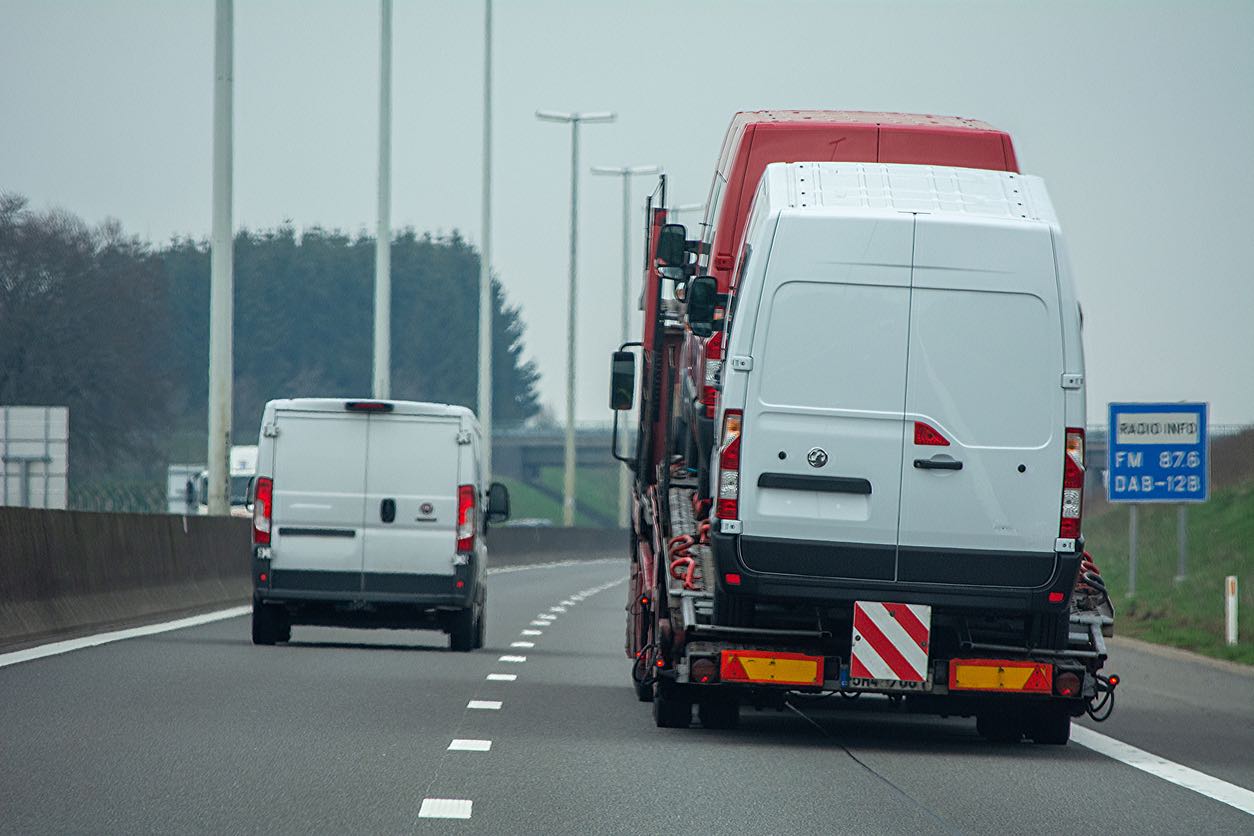
Among the multitude of transport methods available, only a select few are suitable for the transportation of large and oversized vehicles. Your chosen shipping company will typically recommend utilizing flatbed trailers due to their capability to handle the substantial weight and dimensions of these vehicles. Moreover, consider the option of door-to-door delivery, which ensures your vehicle is transported as close as feasible to your destination. This choice alleviates a significant portion of the stress associated with the process, saving you valuable time and effort.
Prepare Your Vehicle for Transportation
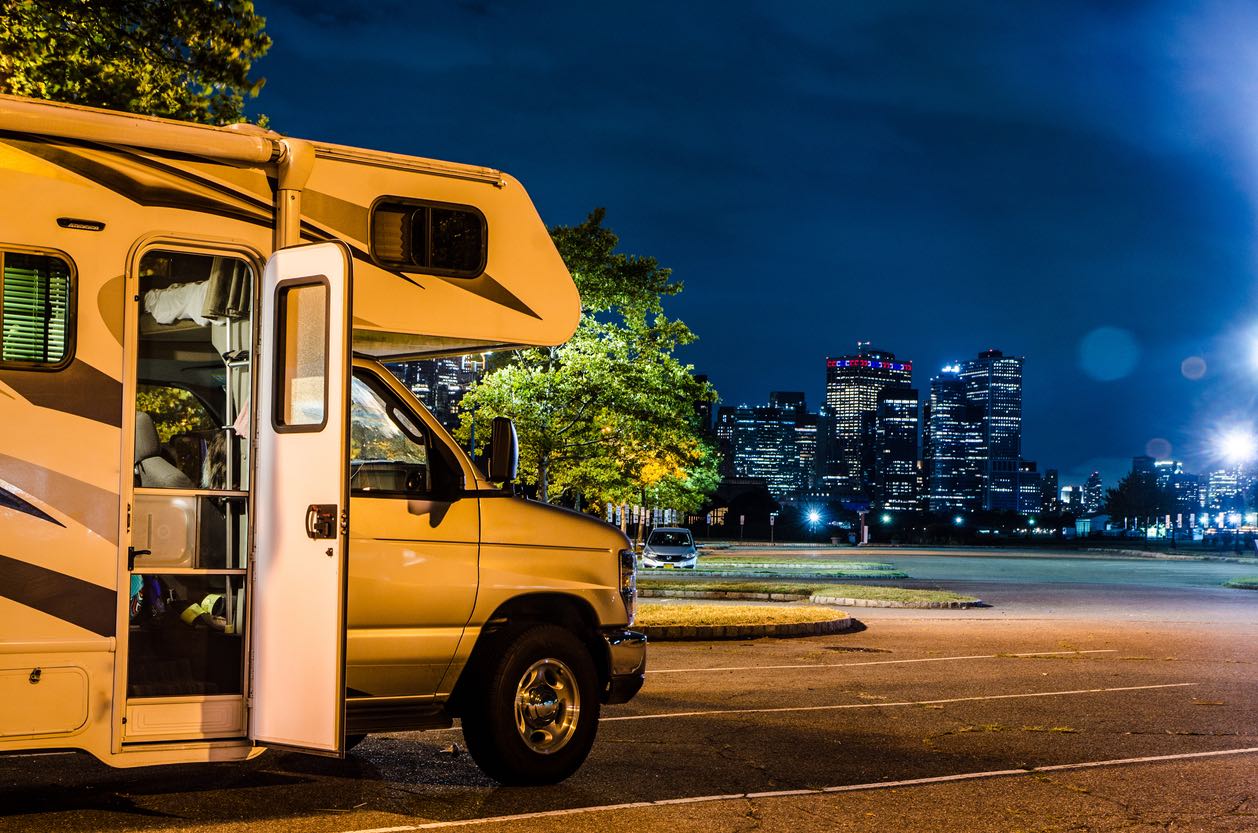
After selecting your shipping options, and just before your large vehicle begins its journey, you need to properly prepare it for transport. Taking these few extra steps will help safeguard your vehicle and make the transport process smoother.
- Battery: If possible, disconnect the vehicle’s battery. This prevents any accidental drain during transit and ensures that your vehicle can be easily moved into position without any unexpected electrical issues.
- Alarms and Devices: Disable any alarms, immobilizers, or tracking devices that might be active in your vehicle. This helps prevent unnecessary complications during loading and unloading and avoids any unintended alarms being triggered.
- Secure Loose Items: Go through the interior of your vehicle and secure any loose items. Close cabinets, drawers, and doors properly to prevent items from shifting during transport. This precautionary measure minimizes the risk of damage to both your vehicle and its contents.
- Special Instructions: If there are any specific instructions or considerations the transport company needs to be aware of regarding your vehicle, communicate these clearly. This could include notes about any mechanical issues, special handling requirements, or unique features of your vehicle.
By meticulously preparing your vehicle for transport, you contribute to a smooth and trouble-free journey for both your precious vehicle and the transport team.

Receive Your Vehicle and Finalize the Process
Upon the arrival of your vehicle, start by conducting a comprehensive inspection of its exterior. This detailed examination allows you to identify any potential new damage that might have occurred during the transport. By carefully comparing, the vehicle’s current state to the documentation you prepared before transport - including photographs of its original condition - you can detect any changes or issues that might have arisen. This thorough inspection ensures that you catch any problems early on and provides a basis for further actions if necessary.
Should you discover any new damage during your inspection, it’s crucial to document these findings promptly. Take clear and well-lit photographs that capture the areas of concern from various angles. These photographs serve as a visual record of the issues and can be incredibly valuable if you need to initiate an insurance claim or address the matter with the transport company. Lastly, you need to complete any necessary payments or paperwork required by the transport company.
Conclusion
Large vehicles should not mean more stress. Having this essential knowledge and following these steps will allow you to have a seamless journey. There is also a need to select a reputable shipping company that can provide you with the best possible shipping experience.
To guarantee a successful and secure experience, trust Ship A Car - the experts in handling oversized vehicle transport. Contact us today and embark on a worry-free journey for your cherished vehicle.