Car Shipping Options: The Four Choices You Actually Make
Booking vehicle transport involves four decisions, and most of the confusion comes from treating them as one. Open or enclosed. Door to door or terminal. Broker or carrier. Standard or expedited. Each has a clear answer for most people, and knowing which is which takes about five minutes.
Here is each one, what it costs and when the less common option is actually right.
Decision One: Open or Enclosed
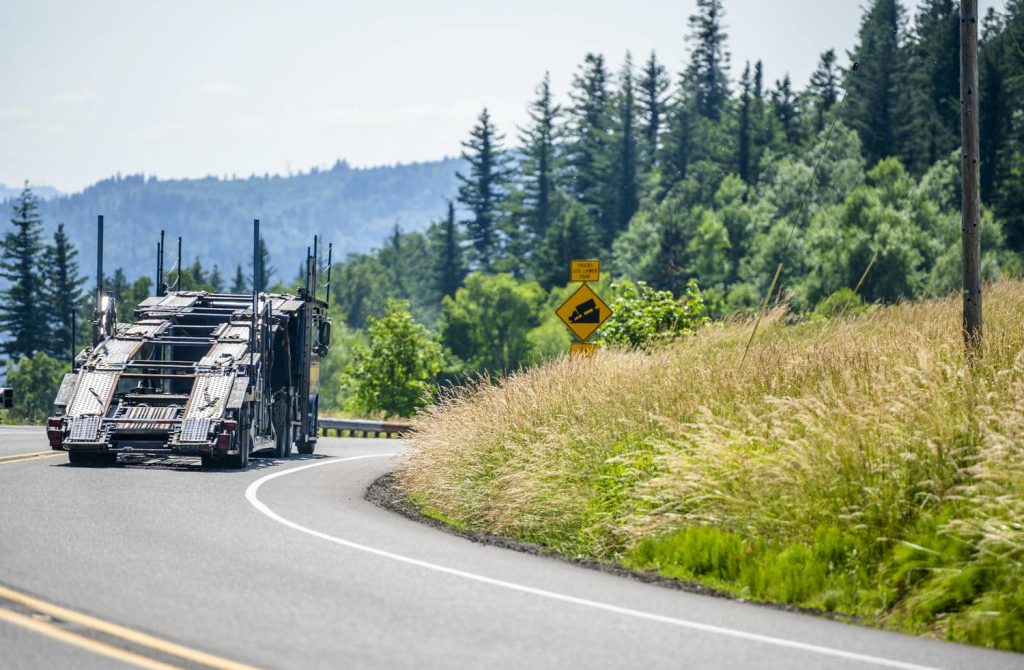
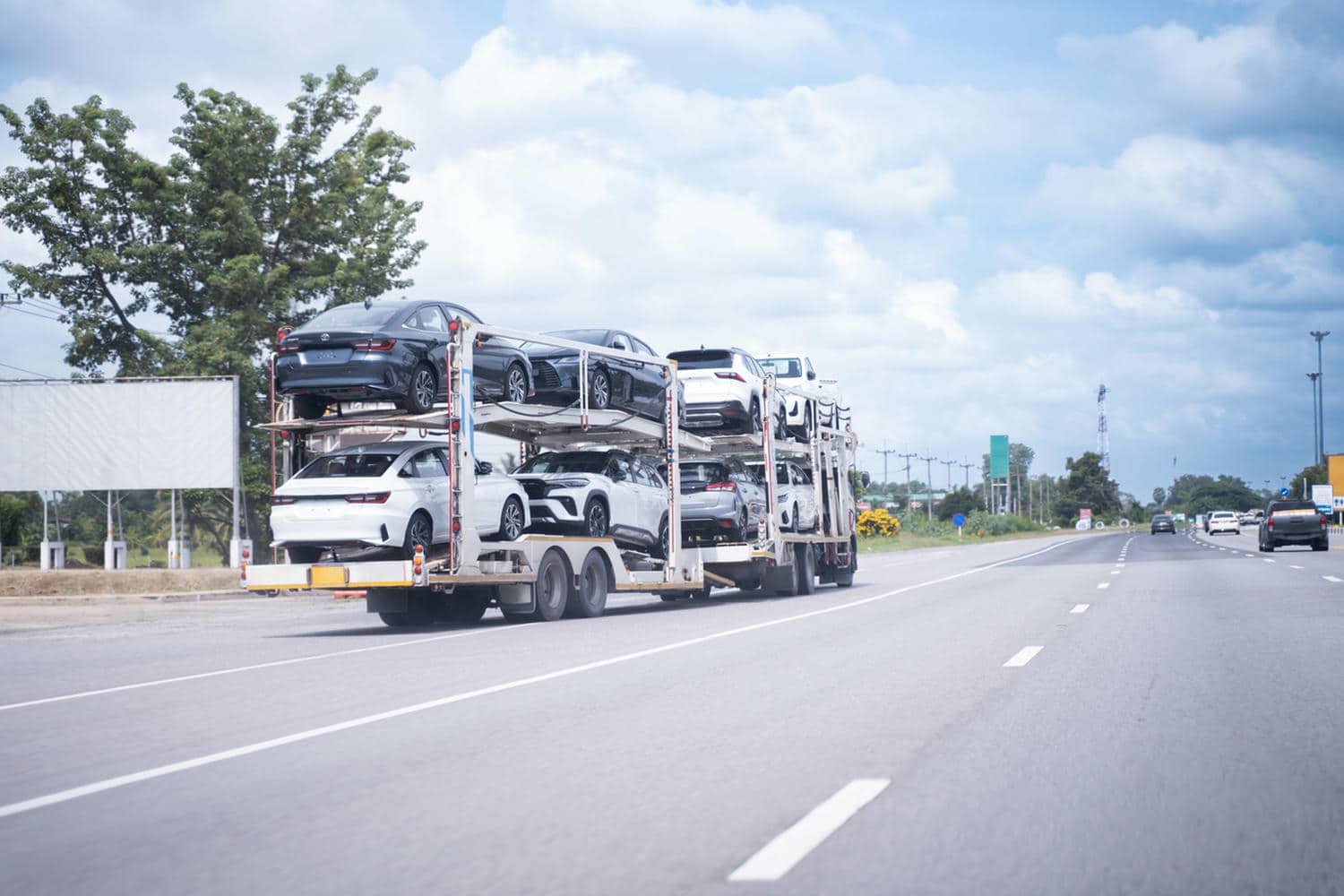
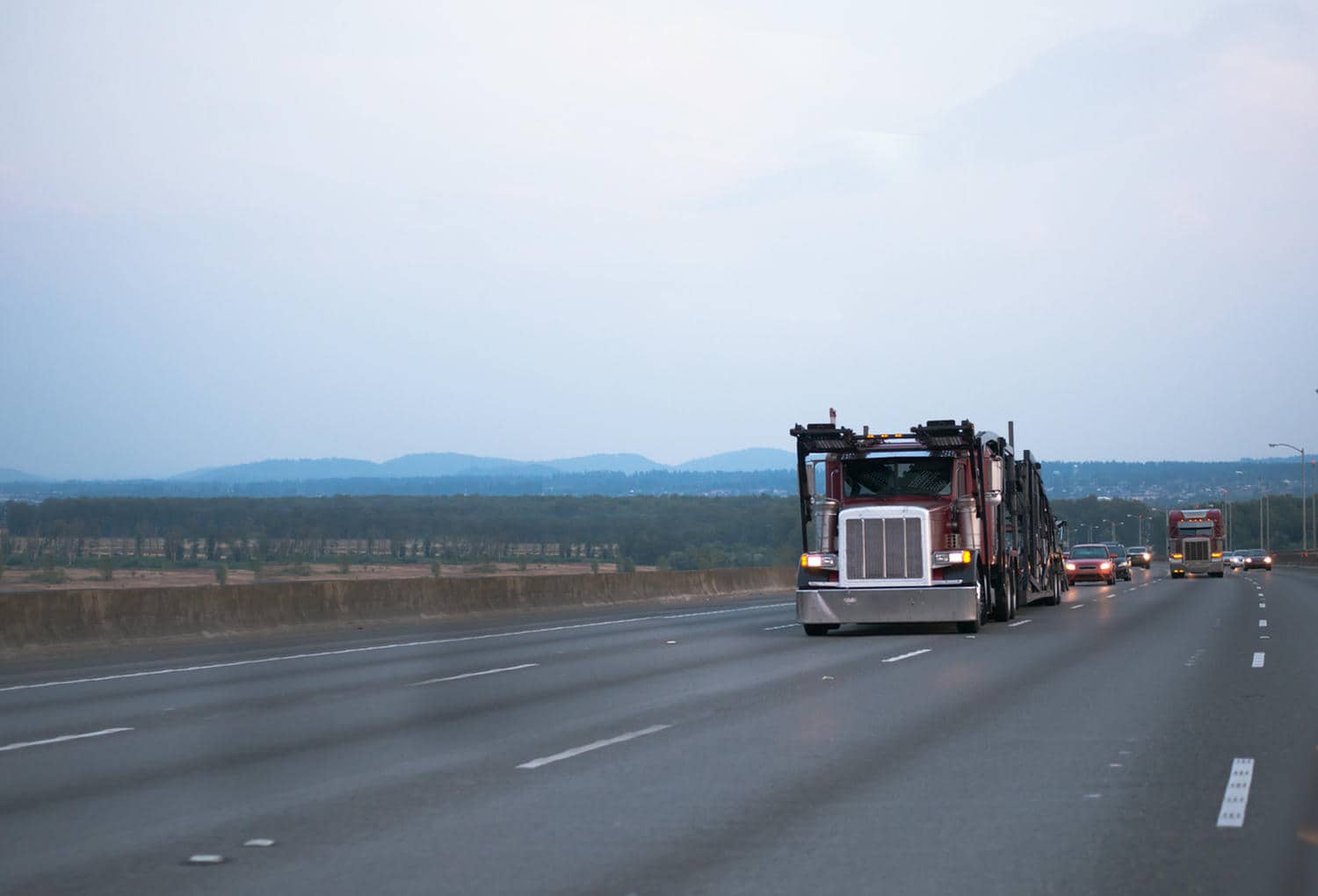
Open transport is the default and it moves the overwhelming majority of vehicles in the country, including every new car delivered to a dealership. The vehicle travels on an exposed multi level trailer and is subject to weather and road spray, the same things it would meet being driven.
Enclosed transport puts the vehicle inside a trailer. It costs about a third more, mostly because an enclosed trailer carries fewer vehicles and the equipment costs more.
Choose enclosed for a collector or exotic car, fresh paintwork or a wrap, very low ground clearance that struggles with open ramps, or a long winter run through road salt. Enclosed carriers are also frequently smaller trucks, which occasionally solves an access problem at a tight address.
For an ordinary car, open is the right answer and the money is better spent elsewhere.
Decision Two: Door to Door or Terminal
Door to door means collection and delivery at addresses you nominate, and it is what most people book. The name is slightly optimistic: a 75 foot hauler cannot work every street, so in practice it frequently means a nearby lot rather than literally your driveway.
Terminal to terminal means you deliver the vehicle to a facility and collect it from another. It is usually cheaper on paper, but count the cost properly: two journeys of your own, possible storage fees if you cannot collect promptly, and the vehicle being handled by facility staff rather than only by the driver who secured it.
Terminal makes sense when the terminals happen to be convenient, when your dates are very loose, or when nobody can be present for a door collection. Otherwise door to door with an agreed meeting point is simpler.
Decision Three: Broker or Carrier
A carrier owns trucks. A broker arranges transport with carriers. Ship A Car, Inc. is a broker, so read this with that in mind.
Booking a carrier directly can work if one happens to run your exact route on your dates. The difficulty is that most carriers are small operations covering particular corridors, and finding the one whose route matches yours is the work.
A broker does that matching, prices your vehicle against what the market is currently paying, and vets the carrier that accepts it. The trade off is that a broker can also post your vehicle at a price no carrier will take, which is the mechanism behind most bad experiences in this industry.
The test that works on either is the same: ask whether the price quoted is one a carrier has accepted, and ask what happens if none does.
Decision Four: Standard or Expedited
Standard means a pickup window, usually two or three days, and a delivery estimate rather than a date. That is not vagueness, it is how a multi vehicle route works: one slow stop moves everything behind it.
Expedited buys a guaranteed pickup date and priority assignment. It is a genuine product and it is the right call when a closing or a flight depends on the vehicle moving on a specific day. It is not worth paying for otherwise, and it cannot compress transit time much, because federal hours of service rules cap a driver at 11 hours of driving in a 14 hour window regardless of what anyone pays.
The One Question That Cuts Across All Four
Whichever options you choose, the same question separates a booking that will happen from one that will not: has a carrier accepted this price?
It applies to open and enclosed, to door and terminal, to broker and carrier, and to standard and expedited. A price nobody has taken is a proposal in every one of those combinations, and the failure mode is identical: silence for two weeks, then a call explaining the price must rise.
What Is Not Optional
Two things are not choices, whichever options you pick.
The vehicle must be empty. Personal belongings are not covered by cargo insurance, they add weight, and a driver may refuse the vehicle until they come out. Leave about a quarter tank of fuel.
And you must photograph the car in daylight before it moves, every panel plus the wheels, lower bumpers, rocker panels and the odometer. The bill of lading is the legal record of condition, and your photographs are what you compare it against. Inspect before signing at delivery, and write anything unexpected on the paperwork while the driver is present.
What each option costs is covered in our page on what determines the price of shipping a car, and the reasons deliveries slip in why car deliveries run late.
Common Questions
Is enclosed worth the extra? For a collector car, fresh paint, low clearance or a winter salt run, yes. For a daily driver, no.
Is door to door literal? Usually not exactly. A 75 foot truck cannot work many streets, so it often means a nearby lot by agreement.
Broker or carrier? A broker does the matching and vetting. A carrier works if one already runs your route on your dates. Ask either whether the price is carrier-accepted.
Can I pay for faster delivery? You can buy guaranteed pickup and priority assignment. Transit itself is capped by federal driving hours limits.
Can I leave things in the car? No. Not covered by cargo insurance, adds weight, and a driver may refuse the vehicle.
Get a Quote
Call Ship A Car, Inc. at (866) 821-4555 with both zip codes and your date range, or request an estimate for the move through the quote calculator.