What Is the Best Way to Ship a Car?
For the overwhelming majority of people the answer is open transport, door to door, booked two to three weeks ahead with a flexible pickup window. That covers most shipments and everything else is a variation on it for a specific reason. What follows is how to tell whether you are one of the exceptions.
Open Transport Is the Default for Good Reason
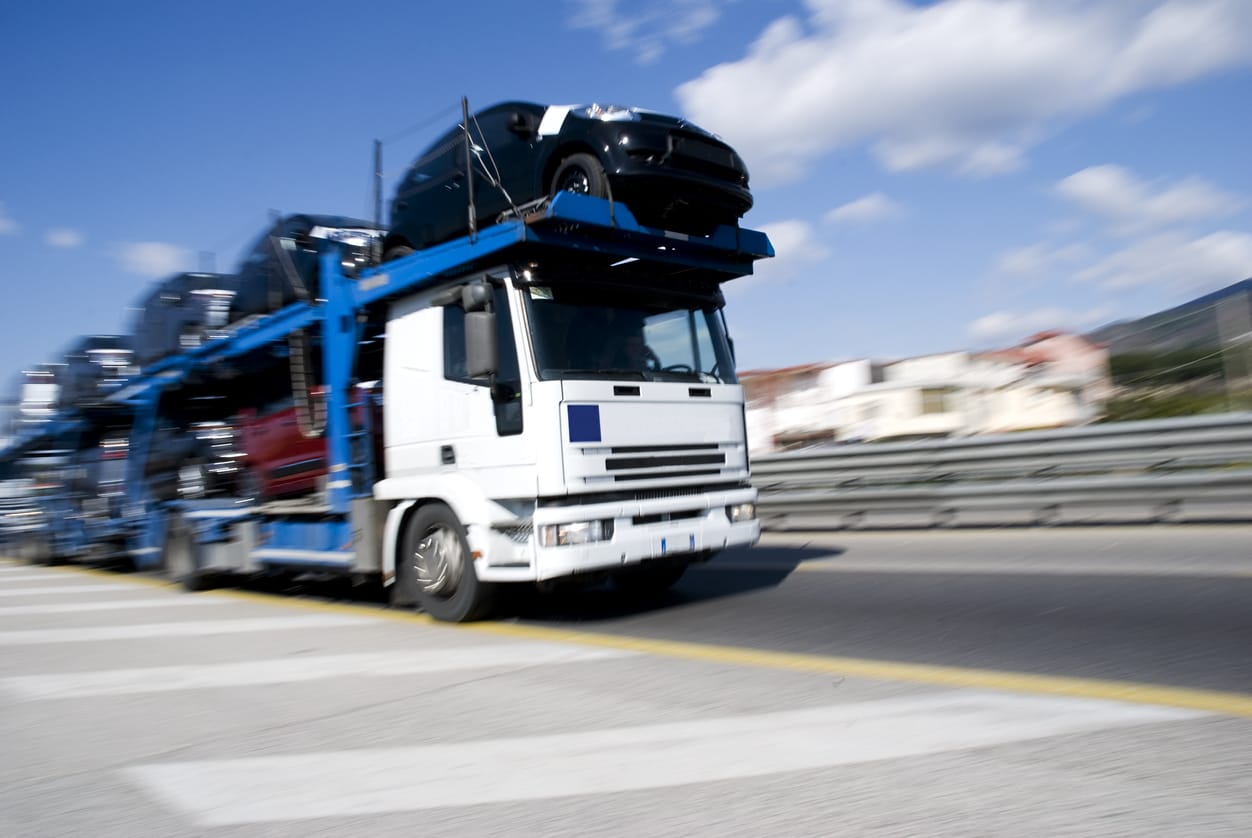
An open two-level hauler carries seven to ten vehicles, so the cost of the trip is shared across all of them. That is why it is the cheapest option by a clear margin, and it is what the overwhelming majority of cars travel on.
The exposure is real but modest: road debris, weather and sun for the duration of the trip. On an ordinary car that is the same exposure it gets driving down the interstate.
There are also far more open carriers than enclosed ones, which means quicker assignment and more competition for your load. Both of those work in your favor.
When Enclosed Is the Right Answer
Enclosed costs about a third more and earns it in a narrow set of cases.
A collector or classic car, where original paint and chrome are the value. A vehicle with fresh paintwork or a wrap. A convertible with a fabric top. A low car where ground clearance makes loading delicate. A winter route across the northern tier, where road salt is the concern. And anything valuable enough that a repaint would be a meaningful fraction of its worth.
Enclosed carriers also generally carry higher cargo insurance limits, which is a second reason on an expensive vehicle rather than a bonus.
If none of those describes your car, enclosed is money spent for no return.
Door to Door Versus a Meeting Point
Door to door is the standard service and it is what most quotes assume. The driver comes as close to your address as is legal and safe.

“As close as is legal and safe” is doing real work in that sentence. A loaded hauler is around 75 feet long and 13 feet 6 inches tall. Narrow streets, low branches, tight turns, gated communities that prohibit commercial vehicles and dense urban cores all mean the truck stops somewhere else.
A meeting point at a large lot near a highway is then the answer, and it is completely normal rather than a downgrade. Agreeing one when you book is the single most effective way to prevent a wasted collection, and it frequently helps the price because you have removed difficulty from the carrier’s job.
Terminal to terminal exists but is rare in consumer auto transport now, and it usually adds storage costs rather than saving money.
Timing Is the Biggest Lever You Control
Two to three weeks of lead time on an ordinary lane, three to four in summer.
Summer is the busiest season industry-wide because the household moving season and the school calendar collide. Sun Belt lanes carry their own pattern: southbound firms up through October and November, northbound spikes in March and April. Late winter and mid autumn are consistently the quietest and cheapest windows elsewhere.
More important than the lead time is flexibility. A range of four days lets a dispatcher fit your vehicle into a trailer that is already forming; a single fixed date means finding one that happens to match. Say explicitly that you are flexible.
How to Judge the Quote You Get
One question does most of the work. Is this what a carrier has accepted, or what you hope one will accept?
A quote well below every other one is usually a listing price rather than a carrier price. The pattern is predictable: the vehicle sits unassigned, your dates pass, and then the price rises because nobody will run it at the quoted figure.
Follow up with what happens if the load is not assigned, and whether any deposit is refundable at that point. Then verify the company’s authority and safety record in the Federal Motor Carrier Safety Administration’s public system, which takes five minutes and cannot be gamed. Our guide to getting shipping quotes covers what a complete quote should include.
Preparing the Car
The same regardless of which option you choose, and it takes twenty minutes.
Wash it so existing marks are visible, then photograph every panel in daylight including the wheels, the lower bumpers and the rocker panels, which are what loading marks. Photograph the odometer.
Leave about a quarter tank of fuel. Empty the cabin and the trunk completely, since personal items are not covered by cargo insurance and they add weight. Fold the mirrors, disable a motion sensitive alarm, remove a toll transponder and hand over one key.
Then walk around the car with the driver at pickup rather than handing over the keys and going inside, and at delivery inspect before signing and note anything unexpected on the bill of lading while the driver is still present.
The Short Version
Open transport, door to door, booked two to three weeks ahead with a flexible window, from a company whose authority you have verified, with photographs taken before pickup and an inspection before you sign.
Choose enclosed if the car is a classic, freshly painted, low, soft-topped or valuable. Choose a meeting point if your street cannot take a 75 foot truck. Everything else is the default.
Common Questions
What is the best option for most people? Open transport, door to door, booked two to three weeks ahead with flexible dates.
When is enclosed worth it? Classic or collector cars, fresh paintwork or a wrap, soft tops, low cars, winter salt routes, and anything valuable enough that a repaint matters.
Is door to door really to my door? As close as is legal and safe. Narrow streets and gated communities mean a meeting point, which is normal.
How far ahead should I book? Two to three weeks ordinarily, three to four in summer, with a range of pickup days.
How do I tell a good quote from a bad one? Ask whether it is a price a carrier has accepted, and be suspicious of an outlier well below the others.
Get a Quote
Call Ship A Car, Inc. at (866) 821-4555 with both zip codes and your date range, or request an estimate for the move through the quote calculator.