
Seasonal Car Transport to Arizona: How It Works
Arizona takes in a very large seasonal population every winter, and the vehicle traffic that comes with it is concentrated into two narrow windows. Southbound demand runs from October through December. Northbound runs from March through May. Outside those, Arizona is an ordinary and reasonably priced destination. Inside them, capacity is genuinely tight and booking late is expensive.
Here is how the season works and what to plan around.
Where the Traffic Goes
The Phoenix metropolitan area takes the largest share, particularly Mesa, Scottsdale, Sun City, Surprise and the retirement communities around them. Tucson and the Green Valley area draw a quieter crowd, and Yuma in the far southwest corner has one of the highest seasonal population swings in the country.
Inbound traffic comes largely from the Midwest and the northern plains, plus Canada and the Pacific Northwest. That shapes the lanes: Interstate 17 down from Flagstaff, Interstate 10 across from California and Texas, and Interstate 8 from San Diego.
The appeal is dry heat rather than humid, close to no rain from November into March, excellent medical infrastructure around Phoenix, and no hurricane exposure. Summer is severe, which matters less if you are leaving in April.
The Two Windows
Southbound demand builds through October and peaks in November, particularly the two weeks after Thanksgiving. Northbound builds through March and peaks in April.
Both directions have the same underlying problem: everybody wants the same movement on the same dates. Carriers fill trailers easily, become selective about which vehicles they take, and prices firm. Three to four weeks of lead time in those windows is realistic. One to two weeks is fine outside them.

There is a useful asymmetry. Trucks run full in the busy direction and emptier the other way, so a northbound vehicle in November or a southbound one in April frequently prices better than the same move at the peak. If you have any flexibility about which car goes when, that is where it is worth using.
Canadian Snowbirds Are Part of the Picture
A substantial share of Arizona’s winter population comes from Canada, particularly the prairie provinces and British Columbia, and that adds a layer to the timing.
Cross border moves need documentation a domestic move does not, and they take longer to arrange. If the vehicle is Canadian registered and returning home at the end of the season, it is a returning Canadian good rather than an import, which keeps it simple. A vehicle bought in the United States is a genuine import with its own process, and that is worth understanding before you buy rather than after.
Either way, add time. Four weeks rather than three is realistic for a cross border seasonal move in either direction.
Access at the Arizona End
This is the most common cause of a delayed delivery here, and it is entirely preventable.
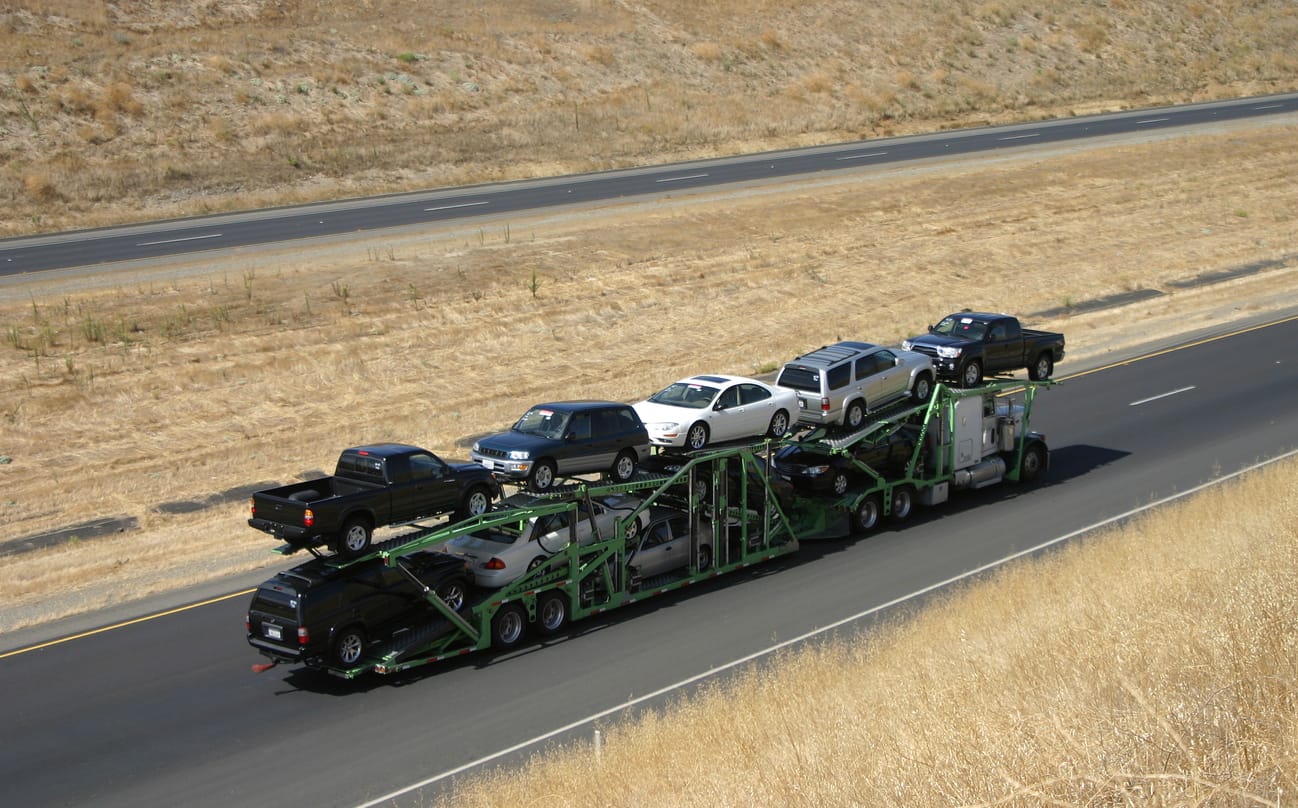
A great many Arizona seasonal destinations are gated communities, 55 plus developments or RV resorts. Height restricted entries, narrow internal roads, tight turning circles and association rules prohibiting commercial vehicles inside the gates are all normal, and a loaded hauler is roughly 75 feet long and 13 feet 6 inches tall.
The answer is a meeting point, agreed when you book rather than discovered on the day. A large retail lot near an interstate exit works, and drivers arrange this constantly in Arizona. It is standard practice rather than a failure of service.
What the Climate Does to a Parked Car
The car sits for five or six months at one end or the other, and desert storage has specific effects worth planning for.
Ultraviolet exposure at altitude and in near constant sun is hard on paint, dashboards, plastic trim and rubber seals. Covered parking is worth a great deal here, and a windshield sunshade should be routine rather than occasional.
Heat degrades a battery faster than cold does, which surprises people. Tire pressures move substantially with temperature swings, and rubber ages faster in the sun. Fuel left standing for months should be treated.
The practical routine: use a battery tender, check tire pressures before driving rather than at the roadside, and inspect wiper blades and belts, which perish quickly in dry heat.

One more access note specific to Arizona: many seasonal residents keep the car in an RV resort or a park model community rather than at a house. Those almost never admit a commercial truck, and the site office will usually tell you the nearest lot drivers use, because they field the question every season.
Open or Enclosed
Open transport handles almost all seasonal traffic and is right for an ordinary vehicle.
Enclosed costs about a third more and has one argument specific to this route: a car on an open upper deck crossing the Southwest in summer sits in full sun for several days at extreme temperatures. If you are moving a vehicle northbound in late spring with fresh paintwork or real value, it is worth considering.
For the wider state picture see our Arizona car shipping page, and our guide to where retiree snowbirds are migrating covers how Arizona compares with the other destinations.
Common Questions
When should I book? Three to four weeks ahead for October to December southbound and March to May northbound. One to two weeks outside those.
Which direction is cheaper? The quieter one. Trucks run full southbound in autumn and emptier northbound, and the reverse in spring.
Can the truck reach my community? Frequently not inside the gates. Height bars, narrow roads and association rules are common, so agree a meeting point when you book.
What should I do with a car that sits all season? Battery tender, check tire pressures before driving, treat the fuel, and park under cover if you can.
Is enclosed worth it? For an ordinary car, no. For fresh paintwork or a valuable vehicle on a summer run across the Southwest, it is worth considering.
Get a Quote
Call Ship A Car, Inc. at (866) 821-4555 with both zip codes, your date range and an honest description of the access at the Arizona end, or request an estimate for the move through the quote calculator.