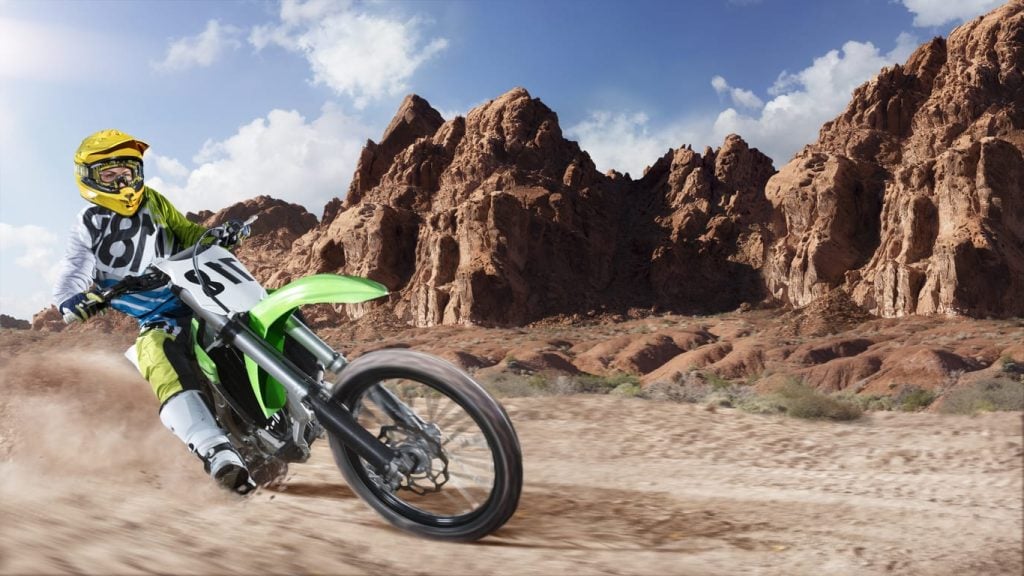
How to Ship a Dirt Bike
A dirt bike is one of the easier things to ship and one of the easiest to get wrong, because it has no license plate, no title in some states, and nothing about it is designed to sit still under strap tension.
Here is how it moves, what it costs, and the preparation that prevents the two problems that actually happen: fuel leaking and the bike shifting.
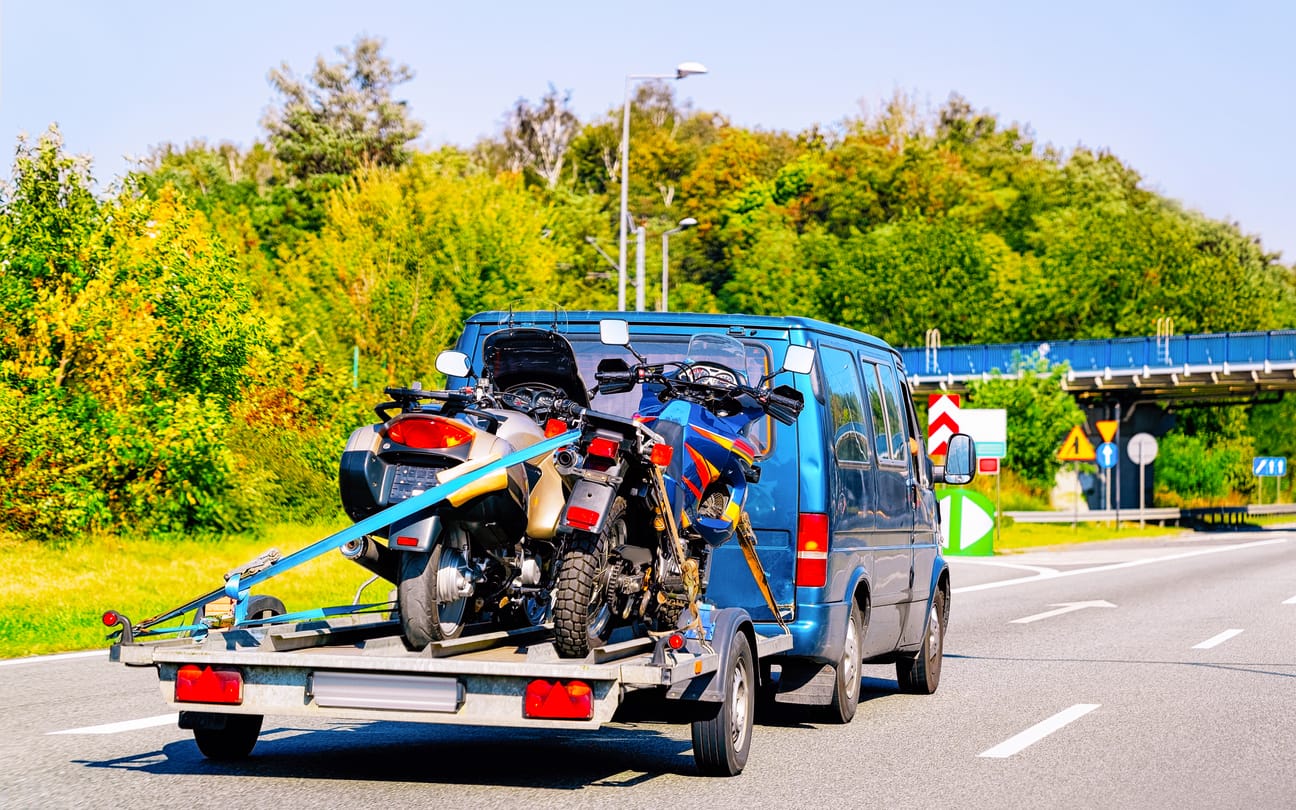
Three Ways It Travels
Crated. The bike is strapped into a wooden or metal crate, which is then handled as freight. This is how manufacturers ship new bikes and it is the most protected option. It costs more, adds preparation time, and usually means removing the front wheel, the handlebars or both.
Open trailer or truck bed. Secured in a wheel chock on an open deck, often alongside cars or other bikes. Cheapest, exposed to weather and road spray, and entirely adequate for a bike that spends its life in dirt.
Enclosed trailer. Inside a covered trailer, generally with other motorcycles. The middle option on price and the right one for a new bike, a race bike with fresh graphics, or anything with real value.
For most people moving a used dirt bike across the country, open or enclosed are the realistic choices, and the deciding factor is what the bike is worth rather than how far it is going.
Fuel Is the Thing That Causes Problems
More dirt bike shipping issues come from fuel than from everything else combined.
Dirt bike tanks are small, vented, and not designed to be tilted for days. A tank that is more than about a quarter full will find a way out through the vent or the cap, and a bike that leaks fuel onto a trailer, or onto a vehicle below it, is a problem that becomes yours.
So run it low. A quarter tank or less, and many carriers ask for as close to empty as you can manage. Turn the fuel petcock off if the bike has one. If it has a carburetor, consider draining the float bowl, since that is the other place fuel sits and works loose.
Fix any weeping fuel line, cracked tank vent or leaking fork seal before pickup rather than mentioning it afterward.
Paperwork: The Part People Do Not Expect
A dirt bike is often not a registered vehicle, and that changes what a carrier needs.
Many states do not title off road motorcycles at all, and many owners have only a bill of sale. That is usually fine for domestic transport, but the carrier needs the VIN, a description, and clear authorization from whoever is releasing the bike. Have the frame VIN written down before you call, since it is not always where people expect on a dirt bike.
If the bike is being collected from a dealer, a shop or a storage facility, confirm what they require to release it and who is permitted to sign. A driver turned away at a gate is one of the more common causes of a failed pickup, and it is entirely preventable.
If you are buying and the bike was ever stolen and recovered, or has a replacement frame, sort the documentation before shipping rather than at the destination.
Preparing the Bike
Wash it, and not for appearance. Dried mud hides scratches, cracked plastics and dents, which means it hides both existing damage and any new damage, and that makes a condition report useless to both sides.
Then photograph it thoroughly in daylight: both sides, tank and shrouds, plastics, exhaust, forks, wheels and rims, seat, controls and the hour meter or odometer if it has one. Close detail on existing damage.
Check tire pressures, because the bike sits on them under tension for days. Make sure it rolls freely and the brakes work, since a bike that will not roll needs to be handled rather than pushed.
Remove everything loose: mirrors if fitted, hand guards that are only clamped on, GPS or lap timer mounts, a tail bag, tools in the fender bag. Fold the levers in if they fold. Anything that moves when you push it will move more at 65 miles per hour.
How It Should Be Secured
The front wheel goes into a chock so the bike cannot roll or fall sideways. That is the foundation, and a bike secured only by straps without a chock is not properly secured.
Soft straps then loop around solid points, usually the lower triple clamp area or the frame, never around brake lines, cables, plastics or radiator shrouds. The suspension is compressed slightly to keep the bike stable and stop it bouncing, but not bottomed out, which stresses the seals on a long trip.
Object to chains or hooks pulled directly against plastics, fork tubes or the exhaust. Any carrier who moves motorcycles regularly works this way as standard, but it belongs in your booking instructions.
What It Costs
A dirt bike is small and light, which helps, but it still occupies a defined space and needs individual securing, so it does not cost proportionally less than a car.
The variables are distance and route, open versus enclosed versus crated, access at both ends, how flexible your dates are, and whether it is going alongside other bikes. Shipping two or three bikes together is meaningfully cheaper per bike than one, which is worth knowing if a riding group is moving machines to the same place.
Motorcycles also travel on a smaller carrier network than cars, so a few days of date flexibility helps more here than it does on a car. Our guide to motorcycle shipping covers how the process runs end to end.
Common Questions
How much fuel should I leave in it? A quarter tank or less, and closer to empty if the carrier asks. Fuel leaks are the most common problem.
Do I need a title? Often not, since many states do not title off road bikes. The carrier needs the VIN, a description and clear authorization to collect.
Crated, open or enclosed? Open for a working dirt bike, enclosed for a new or valuable one, crated for maximum protection or overseas.
Should I wash it first? Yes. Dried mud hides existing damage and makes the condition report worthless to both sides.
Is shipping several bikes cheaper? Per bike, yes, noticeably. Worth coordinating if more than one is moving to the same place.
Get a Quote
Call Ship A Car, Inc. at (866) 821-4555 with both zip codes, your date range and the make and model of the bike, or price the move with the instant calculator.