How to Get a Discount on Car Shipping
There are real discounts in auto transport and they are almost never the ones people ask for. Haggling on the total usually achieves nothing, because most of the price is what a carrier will accept to run your route this week. What does work is changing the things that make your load easier to carry, and those are entirely in your control.
The Six Things That Actually Reduce the Price
Give a range of pickup days. This is the largest lever available to a customer. A four-day window lets a dispatcher fit your vehicle into a trailer that is already forming; a single fixed date means finding one that happens to match. Say explicitly that you are flexible and ask what it is worth.
Offer a meeting point. If you live on a narrow street, in a gated community or anywhere a 75 foot hauler struggles, offering to meet at a large lot near a highway removes real difficulty from the carrier’s job. That is a genuine concession and it is reasonable to expect something for it.
Move in a quiet season. Late winter and mid autumn are consistently cheapest on most lanes. Summer is the busiest period industry-wide. On Sun Belt routes the snowbird pattern overrides that, so ask which direction is quiet on your particular lane.
Book earlier. Two to three weeks lets a carrier plan you into an existing route rather than pricing an urgent job. Three to four weeks in summer.
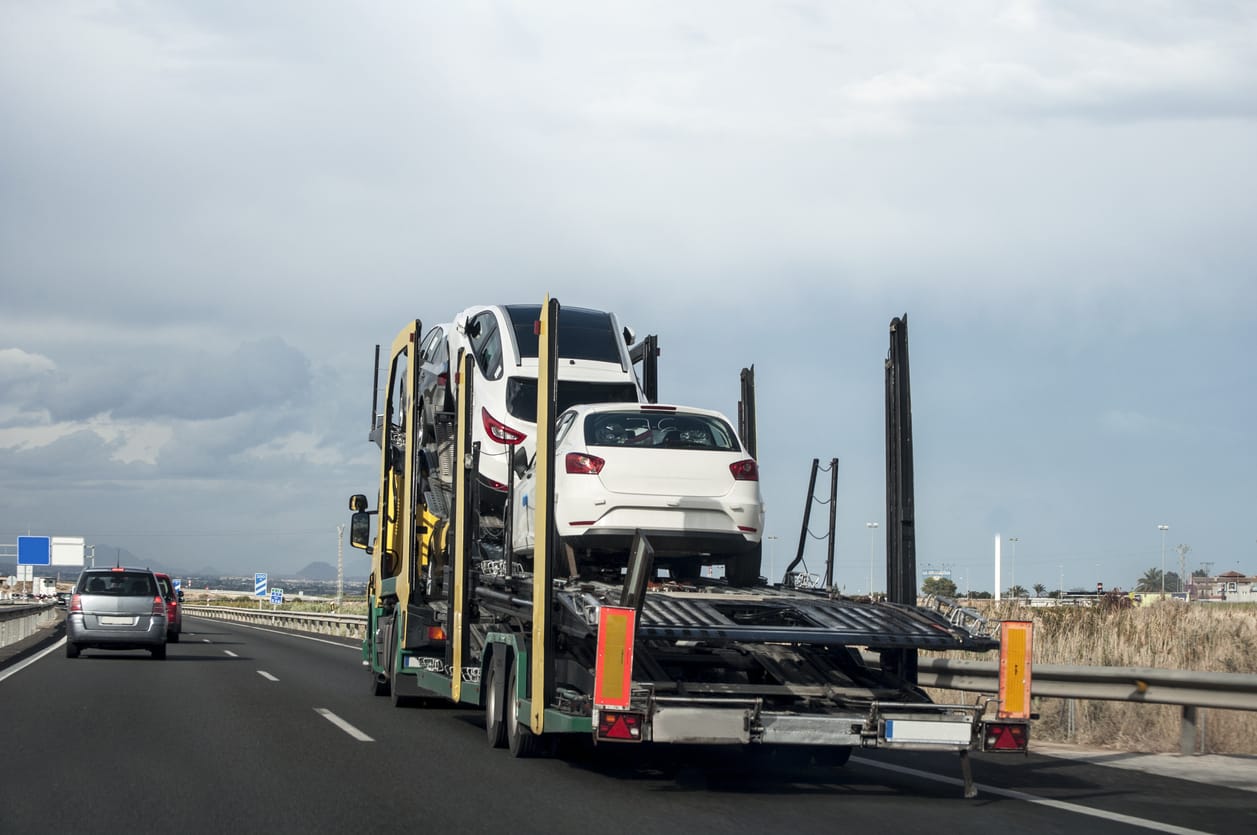
Ship more than one vehicle. Two cars on the same lane is a better load than one and the per-vehicle price should reflect it. Say so at the start rather than adding the second later.
Choose open transport. Enclosed costs 20 to 30 percent more and is right for a small minority of vehicles. If you do not have a specific reason for it, open is the discount.
Why the Price Is Mostly Not Negotiable
It helps to understand where the number comes from, because it explains why the levers above work and haggling does not.
A quote has two parts. One is the broker’s fee for arranging the move: finding a carrier, checking its authority and insurance, and managing the transaction. The other, and much the larger, is what will be offered to a carrier to accept the load.
That carrier portion is not a list price. It is what the market currently pays for that lane, that vehicle and that week, and it moves with fuel, season and how many trucks happen to be running the route. A broker who offers a carrier less than the going rate does not save you money; the load simply sits.
So the genuinely negotiable part is the smaller part, and the large part responds to supply and demand rather than to conversation. Everything in the list above works by changing the supply and demand facts of your specific load: making it easier to carry, easier to schedule, or worth more to a carrier because it comes with a second vehicle.
That is also why an unusually low quote is a warning rather than a win. It is not that somebody found a cheaper truck; it is that the offer to the truck is below what trucks are accepting.
Discounts Worth Asking About
Several are commonly available and simply require you to mention them.
Military and veteran discounts are widely offered. So are student, senior and first responder discounts at many companies. Repeat customer and referral discounts exist and are rarely advertised.
Payment method sometimes matters: some carriers price differently for cash or a certified check on delivery than for a card. Ask whether it changes the number.
None of these is enormous individually. They are worth asking about because they cost nothing to ask and they stack with everything above.
What Does Not Work
Three approaches that tend to produce a worse outcome rather than a cheaper one.
Pushing hard on the total. You can talk a price down and end up with a load no carrier will accept. That does not save money; it costs a week and then the price rises anyway.
Shopping purely on the lowest quote. A quote well below every other one is usually a listing price rather than a carrier price. The pattern is predictable: the vehicle sits unassigned, and eventually you are told the price has to rise. By then your dates have passed.
Trading away protection. A cheaper quote because the cargo coverage is thinner is not a saving. Neither is skipping a proper condition report at pickup.
The Question That Protects the Discount
Whatever price you agree, one question tells you whether it is real.
Is this what a carrier has accepted, or what you hope one will accept?

Ask it directly, and follow with what happens if the load is not assigned at that price, and whether any deposit is refundable at that point. A good discount on a price nobody will run is not a discount.
Also confirm the quote is all-in. Fuel surcharges, oversize fees and residential charges are where an attractive number quietly grows between booking and delivery.
Be Honest About the Vehicle
This is the discount people give away without realizing.
An inoperable car, a lift kit, oversized tires, a roof box, a bed cover or a larger model than stated all change what the carrier has to plan for. Disclosing them gets you an accurate price the first time. Hiding them gets you an attractive price that changes at pickup, which is worse than paying the right amount at the start.
The same applies to access. Describe the street realistically, and if a 75 foot truck cannot get in, say so and offer the meeting point. Our guide to getting shipping quotes covers what a complete quote should include.
Common Questions
What is the biggest discount available? Flexibility on pickup dates, followed by offering a convenient meeting point.
Are there military or student discounts? Commonly, yes, along with senior, first responder and referral discounts. Ask, because they are rarely advertised.
Should I take the lowest quote? Not if it sits well below the others. That usually means a listing price nobody will accept.
Does shipping two cars cost less each? It should. Mention it at the start rather than adding the second vehicle later.
When is the cheapest time to ship? Late winter and mid autumn on most lanes; check the direction on Sun Belt routes.
Get a Quote
Call Ship A Car, Inc. at (866) 821-4555 with both zip codes and the widest date range you can offer, or price the move with the instant calculator.