Auto Transport After a Disaster
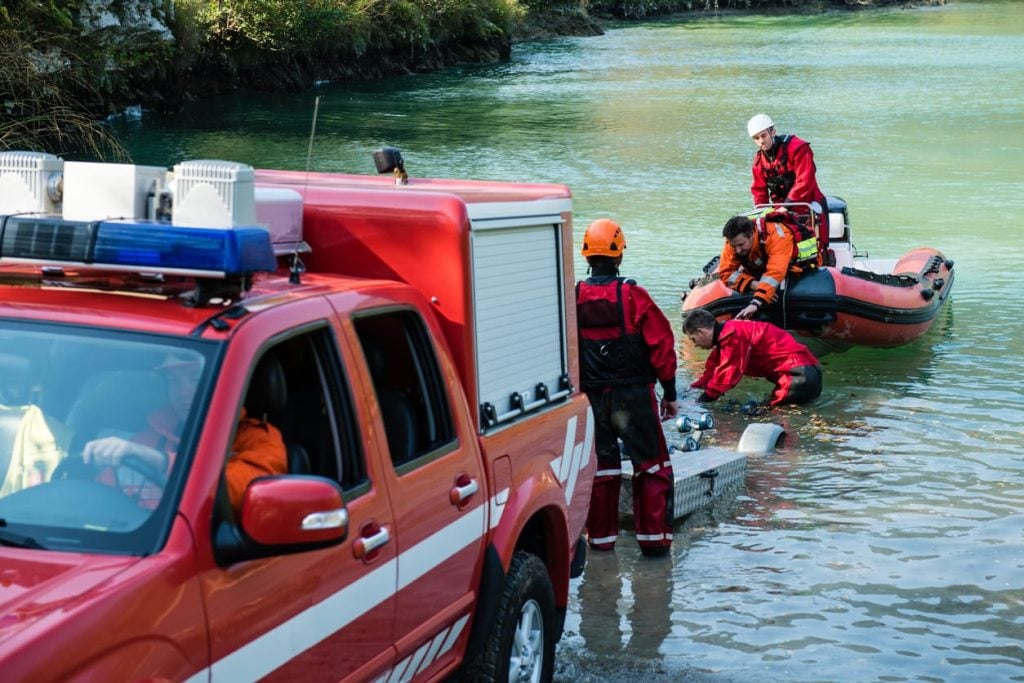
What changes after a hurricane, flood or wildfire is capacity, not process. Carriers get pulled toward the affected region and toward the recovery work that follows it, so pickup windows in and around that area stretch and rates firm up while everyone tries to move at once. The shipping itself works exactly as it always does. Knowing that lets you plan around the queue rather than being surprised by it.
Declare Flood Damage Honestly
This is the single most important thing on the page, and it is the one people most often get wrong.
A vehicle that has been in standing water may not start, may not roll, and may have electrical faults that appear later. Booked as a running car, it gets refused at the curb, the slot is lost and the whole thing goes back out for dispatch. Booked accurately as inoperable, the right truck with a winch turns up the first time.
Say whether it starts, whether it rolls, and whether it steers and brakes. Those three answers are what the dispatcher actually needs, and a flooded car frequently fails all three.
Water damaged vehicles can also leak fluids onto a deck, which affects other cargo. Mention it. A carrier would far rather know than discover.
Get the Paperwork Together First
Transport is often the easy part after a disaster. Proving what you are moving and who owns it is where the delay usually sits.
Have the title or registration to hand, the insurance claim number if one is open, and photographs of the damage taken before anything is moved. If the vehicle has been declared a total loss, the insurer or the salvage buyer may control the release, and a carrier cannot collect until whoever holds the vehicle authorizes it.
If the car is in a tow yard or an impound lot, find out the release requirements and the storage rate before booking a truck. Storage accrues daily and it is the cost people forget.
Access Is the Other Constraint
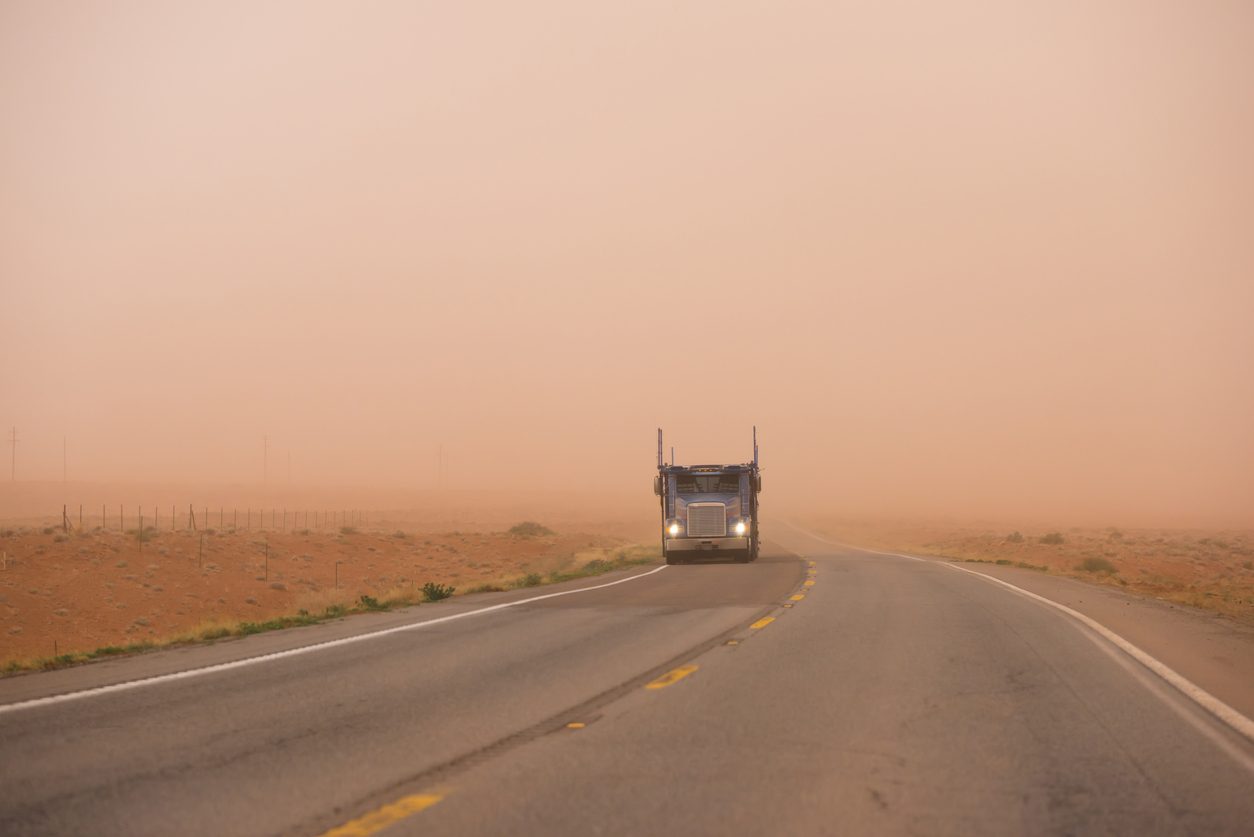
Immediately after an event, the obstacle is often the street rather than the schedule.
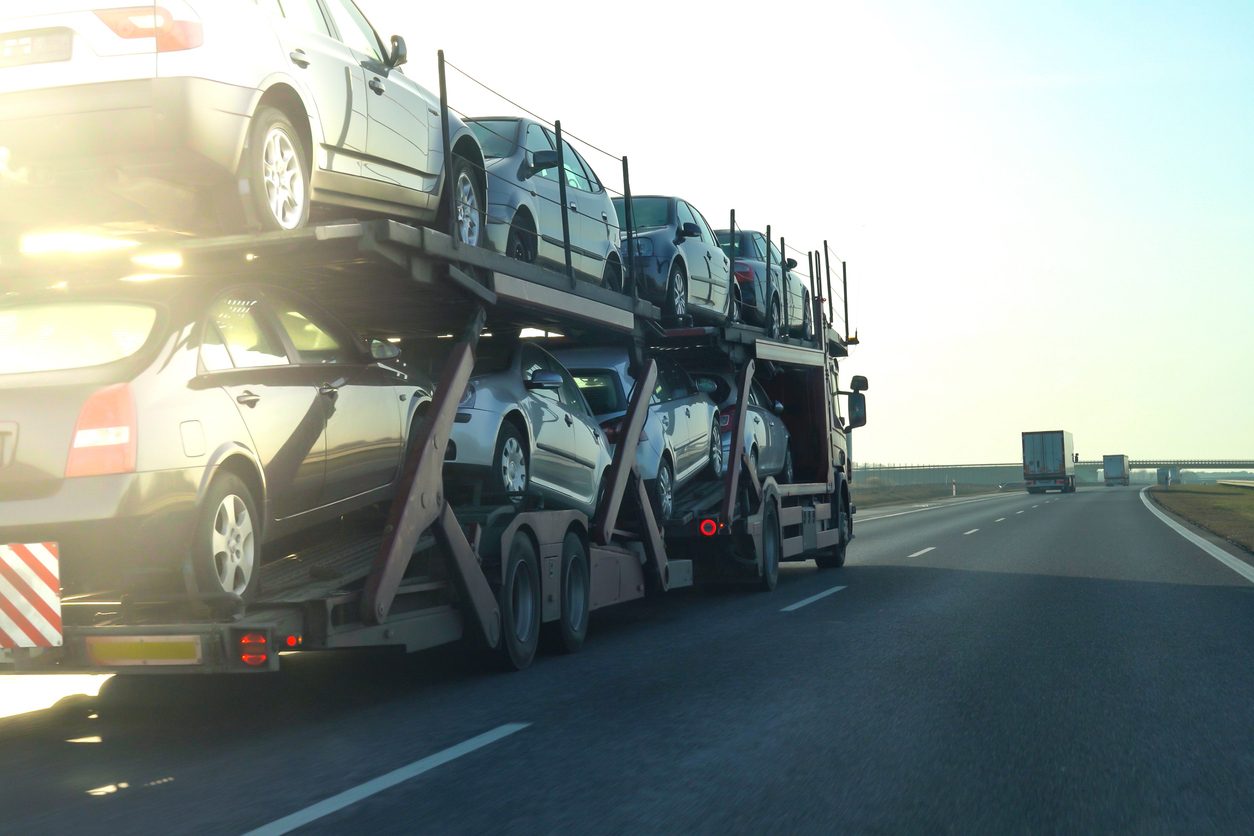
A car hauler is around 75 feet long and needs room to turn and to load. Debris, downed lines, closed roads and standing water all rule out a residential collection that would be routine a month later. The practical answer is usually a meeting point on a clear main road nearby, arranged in advance rather than discovered on the day.
Tell us honestly what the access looks like. A driver who arrives expecting a normal street and finds a blocked one has lost the day.
Evacuating Ahead of a Storm
If you are moving a vehicle out before an event rather than after one, the calculation is different and the window is short.
Book as early as you can, because everyone in the forecast cone reaches the same decision at the same time and capacity disappears fast. Be flexible about the destination: a car that can go to any city outside the affected region is far easier to place than one that must go to a specific address.
Once evacuation orders are issued, carriers will not enter the area, and that is a safety limit rather than a service choice. A day of notice is worth more than any amount of urgency afterwards.
What It Costs
Ordinary rates apply, with two adjustments. Regional demand pushes prices up while the surge lasts, in the same way any capacity shortage does. And an inoperable vehicle adds roughly $100 to $250 for winching.
Beware of anyone quoting far below the rest in these conditions. A rate no carrier will accept leaves the vehicle exactly where it is, which is the last thing you need when storage is running.
Preparing the Vehicle
Photograph everything before it moves, from every side, including the interior and the waterline if there is one. After a disaster the condition report matters more than usual, because separating pre-existing damage from transport damage is otherwise impossible.
Remove personal belongings, which are not covered by cargo insurance and which matter more when they are what you salvaged. Take the plates if you are not keeping the registration. Note anything unusual about how the vehicle behaves, and hand over a key even if it does not start.
Common Questions
Can you ship a flooded car? Yes, as an inoperable vehicle with a winch. Declare it that way at booking.
Why are pickups slower after a hurricane? Carriers are pulled toward the region and toward recovery work, so demand exceeds capacity for a while.
What paperwork do I need? Title or registration, the insurance claim number if open, damage photographs, and the release from whoever holds the vehicle.
Can a truck reach my street? Often not immediately. A nearby clear meeting point is usually quicker than waiting for access.
Should I move my car before a storm? If you can, and book early. Once evacuation orders are in place carriers will not enter the area.
Get a Quote
Call Ship A Car, Inc. at (866) 821-4555 with both zip codes and whether the vehicle runs, or request an estimate for the move through the quote calculator.