Limited Access Locations and Car Shipping
A car hauler is around 75 feet long, 8 feet 6 inches wide and 13 feet 6 inches tall, and “limited access” simply means an address where that vehicle cannot legally or physically go. It is not a judgment about your street. It is a measurement problem, and the moment you treat it as one the answer becomes obvious: either the truck reaches you, or you meet it somewhere it can reach. Deciding which at booking rather than on the day is the whole of the fix.
What Counts as Limited Access
More places than people expect, and most of them are ordinary.
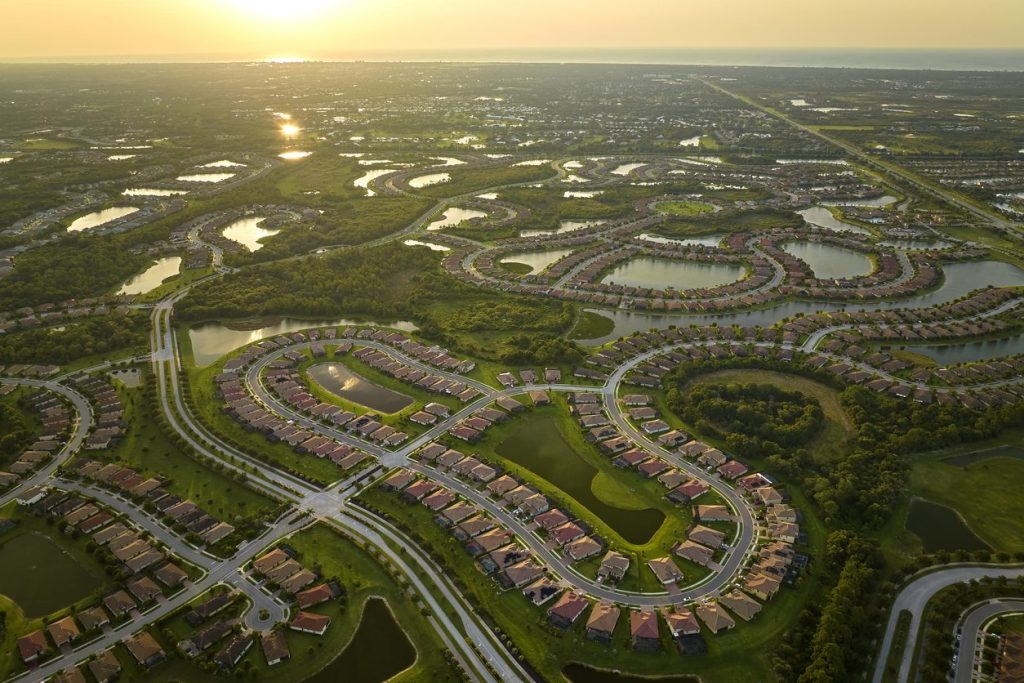
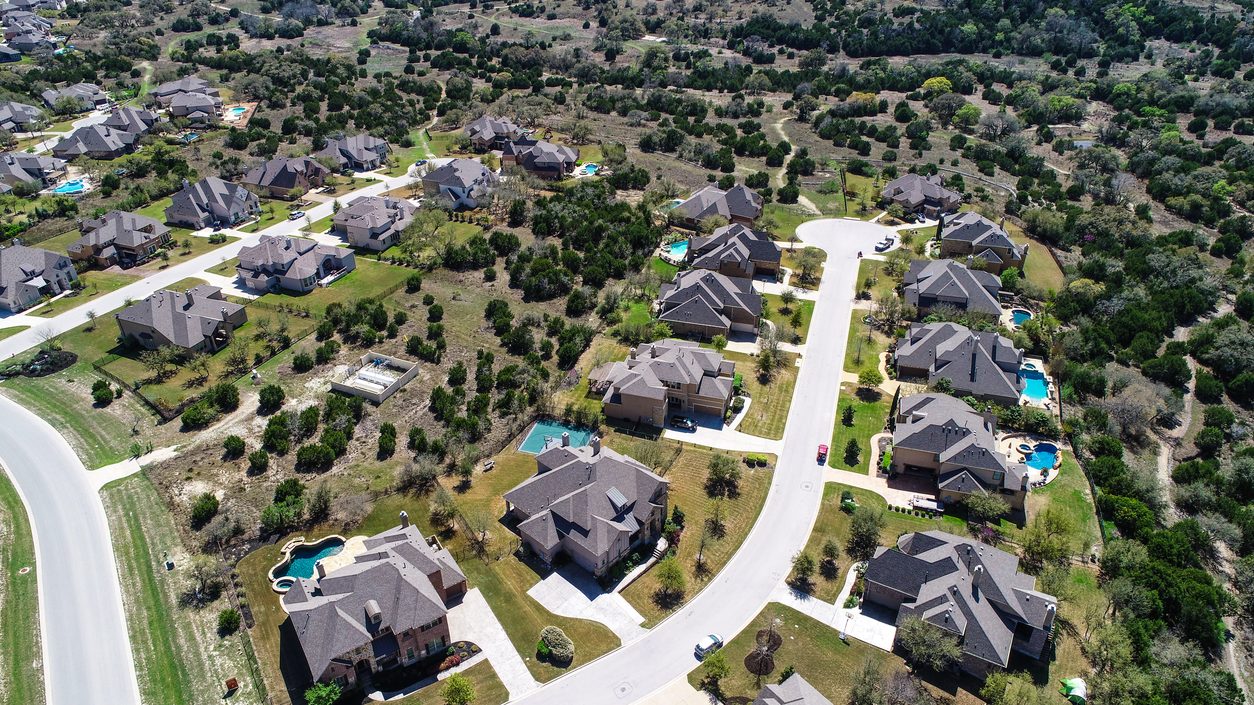
Narrow residential streets with parking on both sides, cul de sacs with no room to turn a 75 foot vehicle, and steep or unpaved driveways are the common ones. So are low bridges and overhanging trees on the approach, since a hauler needs clearance the whole way in, not just at your door.
Gated communities are their own category. Many have height barriers at the entrance, weight limits on private roads, or a straightforward rule against commercial vehicles. Apartment complexes and condominium developments frequently do too, and the parking structures attached to them almost always have a clearance bar well under 13 feet 6 inches.
Then the commercial versions: schools, military bases, construction sites, storage facilities, farms and anywhere with a security checkpoint. Access there is a matter of permission as much as dimensions.
Why It Costs More When It Is Not Declared
A driver who arrives and cannot reach the address has three options and none of them are free.
They can attempt the street, which risks the truck, your neighbors’ cars and the load. They can wait while you improvise a meeting point, which burns hours of a schedule built around other deliveries. Or they can leave and the load is rescheduled, which means a second dispatch.
Declared at booking, none of that happens: the load is quoted and routed for a meeting point from the start, and the driver arrives expecting it. The cost of declaring is nothing. The cost of not declaring is a failed delivery.
The Meeting Point Solution
This is what actually happens on most limited access moves, and it is not a compromise.
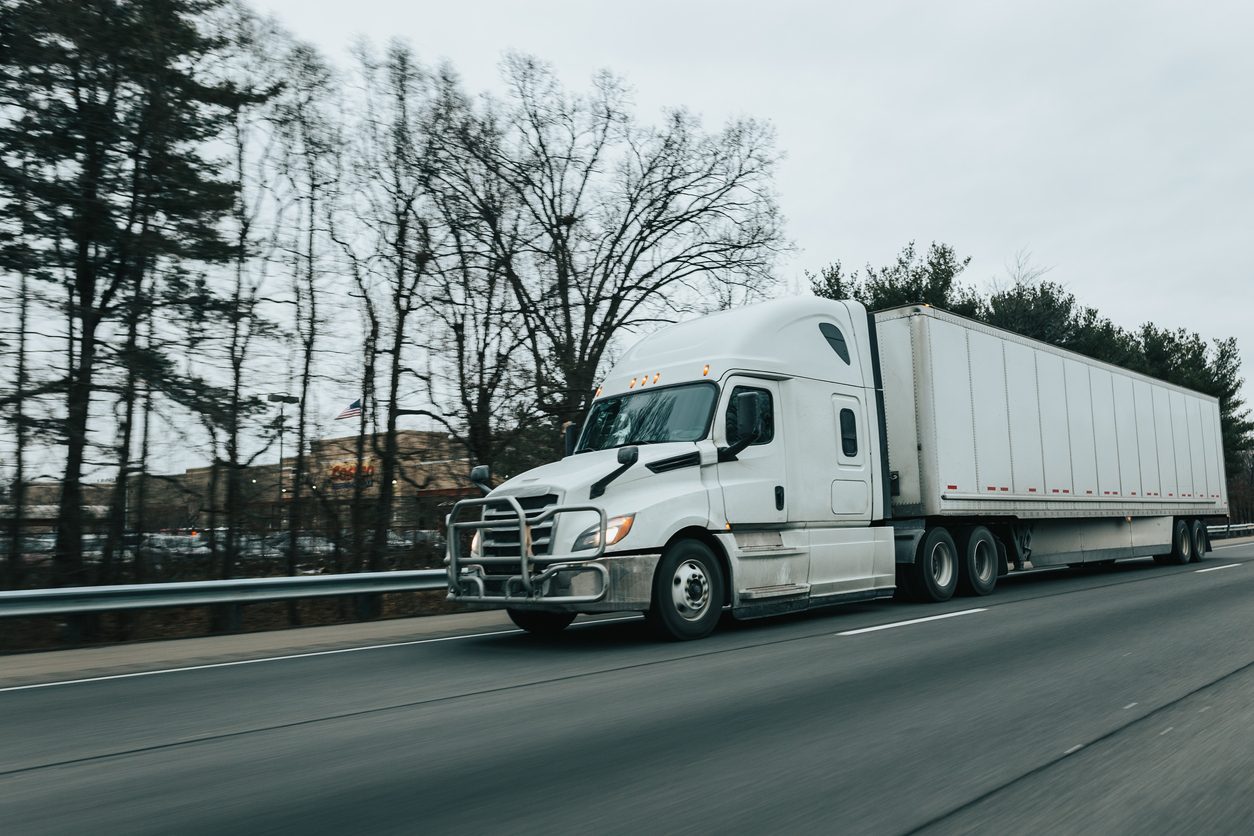
You and the driver agree a large open lot nearby: a supermarket, a shopping center, a warehouse store, a school out of hours, a park and ride. It needs room for a 75 foot vehicle to enter, stop, unload and leave without reversing into anything.
It is usually faster than door to door would have been, because it widens the pool of drivers willing to take the load rather than narrowing it to whoever will attempt your street. It typically costs you twenty minutes each way.
Choose it in advance and send the exact address rather than “the mall”. Check the lot allows it, since some retailers move trucks on.
What to Tell Us at Booking
Five things, and they take a minute to answer.
Is the street wide enough for a large truck with parking on both sides? Is there a turning area, or is it a dead end? Are there height restrictions on the approach: low branches, wires, a bridge, a barrier? Is it a gated community or a complex with rules about commercial vehicles? And is the surface paved and firm, or gravel, sand or steep?
If you are unsure, look at your street on a satellite map and ask whether a school bus could get in and turn around. That is a good enough proxy, and it is the question a dispatcher is really asking.
Rural and Remote Addresses
Rural is a different problem from narrow, and it affects timing more than access.
A long unpaved driveway or a property well off a main route may be reachable, but fewer carriers pass nearby, so the load waits longer for one willing to make the detour. Meeting at a town on the corridor often shortens that wait more than paying extra would.
Winter compounds it, since an unpaved approach that works in July may not carry a loaded truck in February.
Common Questions
What is a limited access location? Any address a 75 foot truck cannot legally or physically reach, including many ordinary residential streets.
Does it cost extra? Declared at booking, usually not. Discovered on the day it can mean a wasted dispatch and a rescheduled delivery.
Where should we meet instead? A large open lot nearby with room to enter, stop and leave without reversing. Send the exact address.
Are gated communities a problem? Frequently. Height barriers, private road weight limits and no commercial vehicle rules are all common.
How do I judge my own street? Ask whether a school bus could get in and turn around. That is close to what a dispatcher wants to know.
Get a Quote
Call Ship A Car, Inc. at (866) 821-4555 and describe both ends honestly, or request an estimate for the move through the quote calculator.