What Can Go Wrong When Shipping a Car, and How Each Problem Actually Gets Resolved
Most vehicle shipments are uneventful. The ones that are not fail in predictable ways, and knowing the failure modes in advance changes them from crises into procedures.
Here are the six problems that actually occur, ranked roughly by frequency, with the honest resolution path for each, including the parts where the leverage is yours only if you set it up before pickup.

1. The Pickup Window Slips
The most common problem by a wide margin, and usually the least serious. Car hauling runs on windows, not appointments: a driver delayed by weather, a scale, or a difficult load ahead of you moves everything behind it.
Resolution: a slipped window resolves with communication, and a competent dispatcher tells you before you ask. It becomes a real problem only past several days, which usually means your price was below what carriers accept. At that point the honest fixes are re-pricing to the market or rebooking elsewhere, and the prevention was booking realistically in the first place. The full anatomy is in our page on why car deliveries run late.
2. Transit Damage
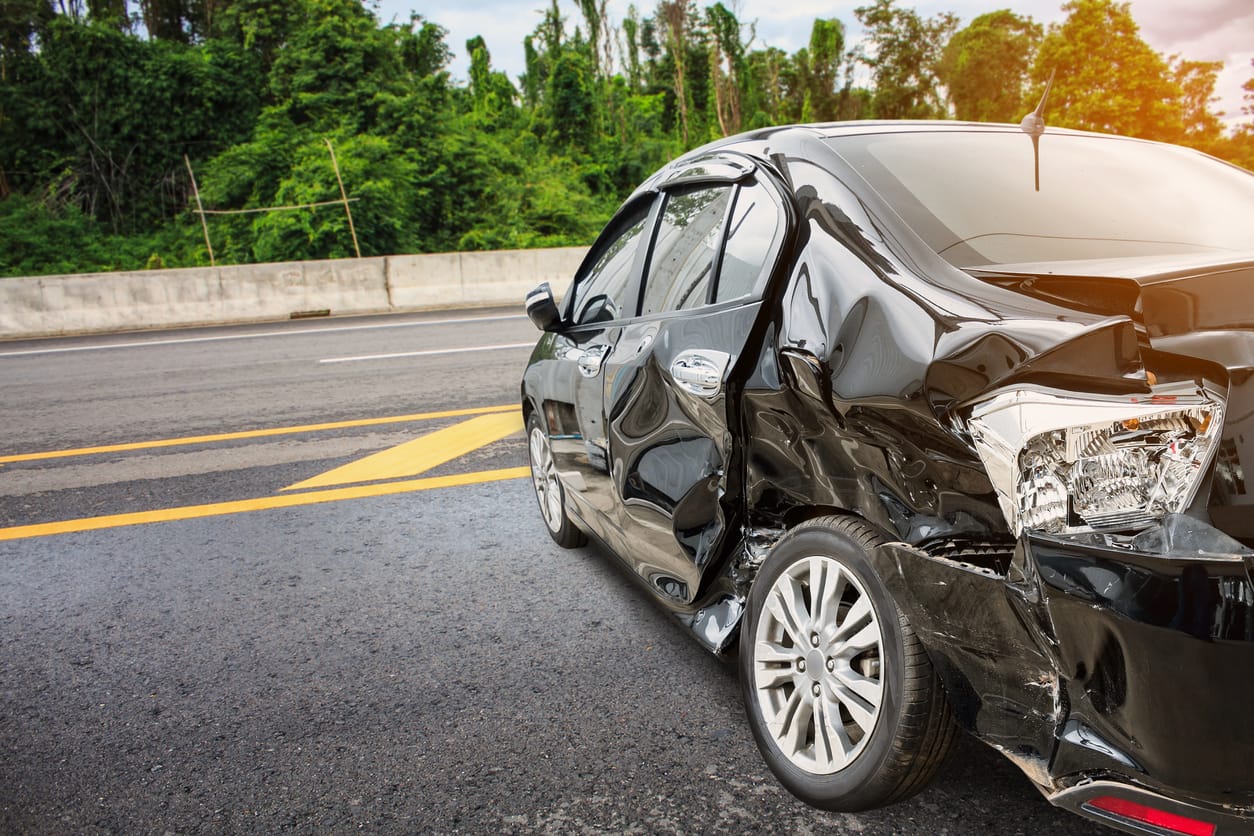
Rarer than feared, and the one where preparation decides everything. Chips, scuffs and strap marks are the typical claims; serious damage is genuinely uncommon.
Resolution: the bill of lading is the entire case. Damage noted on it at delivery, against dated pickup photographs, is a straightforward cargo-insurance claim. Damage discovered after a clean signature is a dispute you will probably lose. So: photograph everything in daylight before pickup, walk the car at delivery before signing, write what you find, and if it arrives in the dark, write that a full inspection was not possible. What the insurance actually covers is in auto shipping insurance explained.
3. The Price Changes After Booking
The problem people call a scam, which it sometimes is and sometimes is not. A quote far below market gets no driver; days later the “revised” price appears. Distinct from a legitimate revision when the vehicle was misdescribed: a lift kit, a roof box, a car that does not run.
Resolution: if the revision has no cause you control, refuse it and rebook at market with someone else; you have lost days, not money, if no deposit moved by irreversible means. If the cause was the vehicle description, the revision is fair, and the prevention was accuracy at booking. Either way, quotes clustered together were telling you the real number all along.
4. Nobody Can Reach Anybody
The dispatcher goes quiet, the driver’s phone rings out, and the car is somewhere between two states. Usually this is workload rather than malice, but it is the problem that erodes trust fastest.
Resolution: the broker is your single point of accountability. That is what the arrangement is for. One written message stating the vehicle, dates and the specific answer you need resets most silences, because it converts a vague grievance into a task someone can close. Escalate in writing rather than by repeated calls: a paper trail changes behavior, and if the silence ever matters to a claim, it exists. The prevention is choosing on communication signals at quote time. How they answered the phone before they had your deposit is exactly how they will answer it mid-shipment, and no review score measures that as well as your own first call did.
5. The Handover Fails
A truck that cannot reach the street, a recipient who is not there, a gate with no code. Access problems at either end are the most preventable failure on this list.
Resolution: a meeting point at a nearby lot solves nearly all of it, at no cost, arranged in one call. The prevention is honesty at booking about narrow streets, low branches and gated entries, plus a named backup person at each end who can hand over keys and sign.
6. The Car Arrives Undriveable
Rare, and it happens: a battery dead after a week on a trailer, a car that started at pickup and will not at delivery.
Resolution: a jump is a courtesy most drivers extend; anything beyond that belongs on the bill of lading before signing. A mechanical failure in transit on an old or marginal car is generally not the carrier’s liability, which is why declaring a weak battery or temperamental starter at booking matters, and why a car that barely runs should be shipped as inoperable rather than gambled.

The Pattern Across All Six
Every resolution above runs through something created before pickup: the realistic price, the photographs, the accurate description, the access honesty, the named backup. The problems are ordinary; the outcomes are decided early. Book as if problem three will happen, document as if problem two will, and the remaining four become phone calls instead of disputes. It is also worth saying what is NOT on this list: theft, total loss and vanished vehicles. The disasters people fear most are vanishingly rare on legitimate carriers, which is one more argument for spending your ten minutes of diligence on the federal registration check rather than on worry.
Common Questions
What goes wrong most often? Pickup windows slipping, and it is usually days of annoyance, not a real failure, unless the price was below market.
How do I win a damage claim? Dated pickup photographs plus damage noted on the bill of lading at delivery, before signing. A clean signature is nearly unbeatable the other way.
Is a post-booking price increase a scam? If nothing about the vehicle changed, treat it as one and rebook. If the vehicle was misdescribed, it is a correction you caused.
What if I cannot reach anyone mid-shipment? One written message to the broker with vehicle, dates and the answer you need. Accountability is what the broker is for.
What prevents the most problems per minute spent? Daylight photographs and an honest access description. Together they defuse the two worst items on this list.
Get a Quote
Call Ship A Car, Inc. at (866) 821-4555 with both zip codes and your date range, or request an estimate for the move through the quote calculator.