When a Car Is Totaled: How the Decision Works and What You Can Do
“Total loss” is an accounting decision, not a mechanical one. An insurer totals a car when repairing it stops making financial sense against its value, and that threshold is set by state rules and arithmetic you can actually check. Knowing how the numbers work is the difference between accepting the first offer and negotiating from evidence.
Here is how the decision is made, what happens to the car and the title, and where transport fits when a totaled vehicle still has somewhere to go.
One number worth knowing before any of this starts: storage. A car sitting at a tow yard accrues daily fees from the moment it arrives, those fees come out of the settlement math, and they run whether anyone is looking at the car or not. Getting the vehicle released to your insurer, your driveway or a shop in the first days is worth real money, and it is the one part of the process entirely under your control while everything else waits on an adjuster.
The Arithmetic Behind the Decision
The insurer compares two numbers: the cost to repair the car properly, and its actual cash value the moment before the damage. When repair cost crosses a threshold of that value, the car is declared a total loss.
The threshold is not universal. Some states set it by statute, commonly somewhere between 60 and 100 percent of value; others let insurers use a total loss formula, where repair cost plus salvage value against actual cash value decides it. That is why the same damage can total a car in one state and not in another.
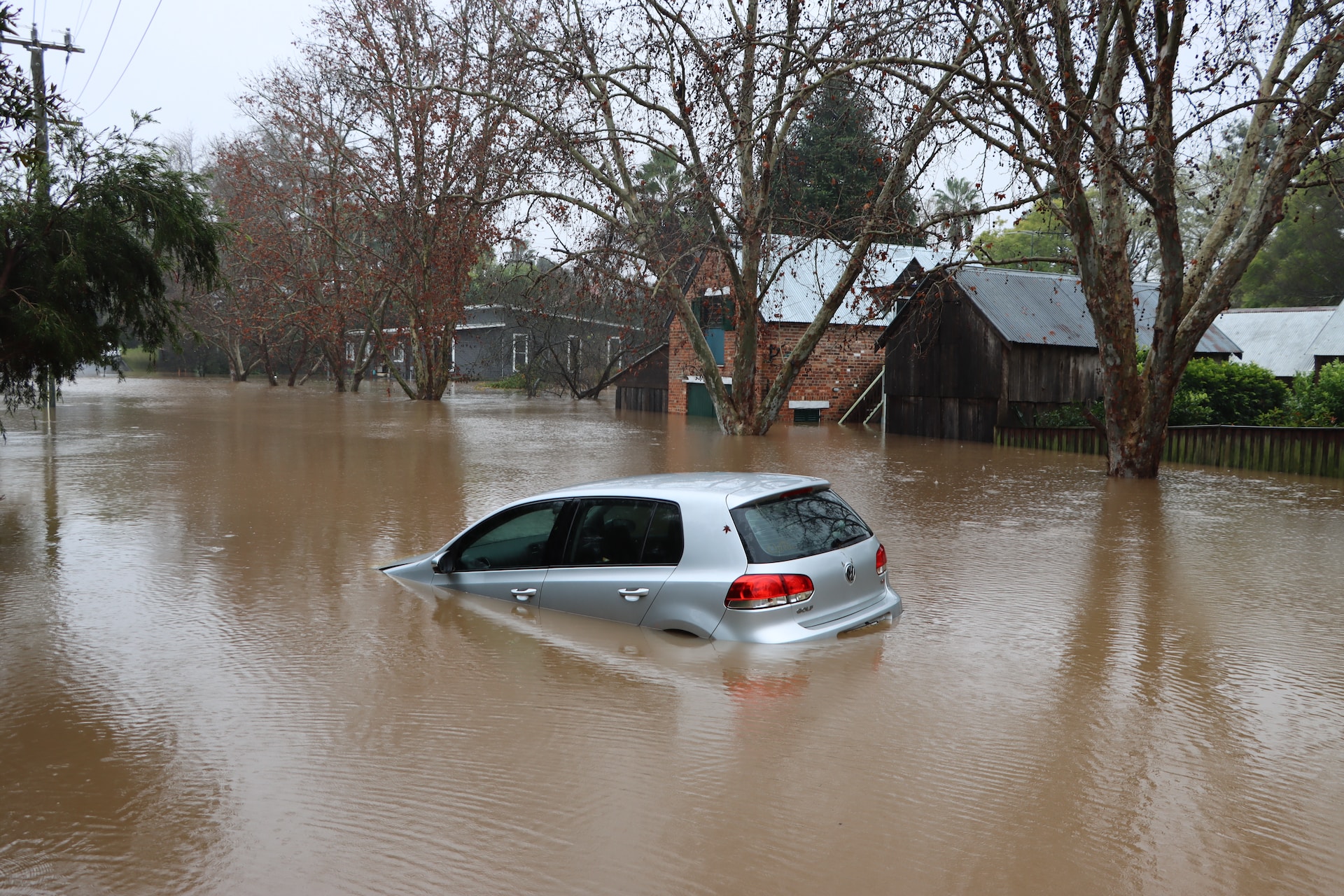
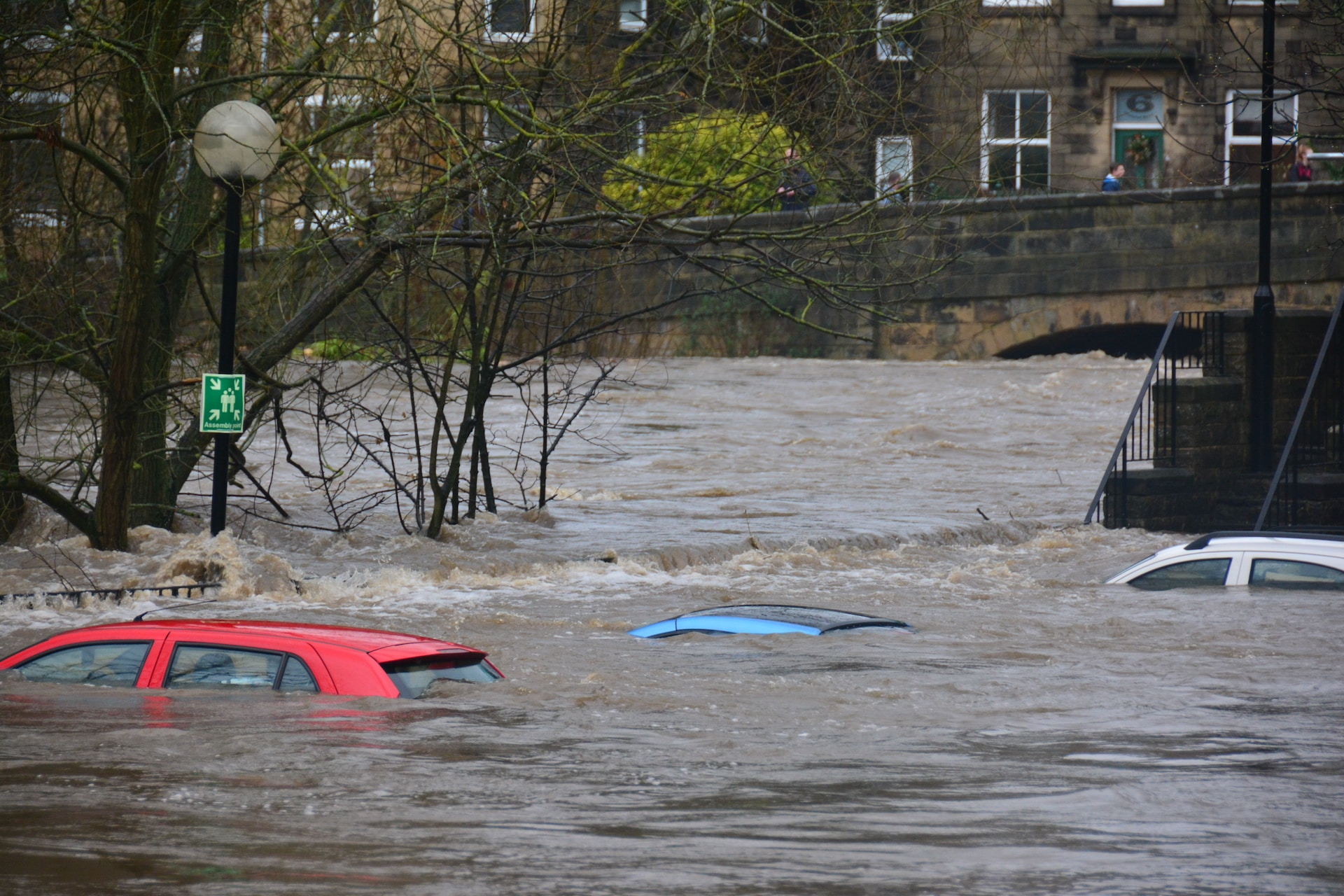
Two things quietly push borderline cars toward totaling. Modern repair costs are high, because bumpers carry sensors and a windshield carries a camera, so a moderate collision crosses the line on an older car easily. And flood damage almost always totals, because water reaches wiring, connectors and modules whose failures arrive months later, which is exactly why insurers will not gamble on partial flood repairs.
Actual Cash Value Is Negotiable, With Evidence
The offer you receive is built from comparable sales, adjusted for mileage, condition and options. It is an estimate, and estimates can be wrong in your favor’s opposite direction.
What moves it: real comparable listings for your exact trim, drivetrain and mileage in your region, not national averages. Service records, because a documented car is worth more than the condition-average the adjuster assumed. Recent work (new tires, a new battery, a major service) with receipts. And options the valuation missed, which happens constantly on higher trims.
Submit corrections in writing with the evidence attached. Adjusters revise valuations routinely when handed better comparables; they rarely do when handed frustration.
Keeping the Car: Owner Retention and Salvage Titles
You can usually keep a totaled car. The insurer pays actual cash value minus what the salvage would have brought at auction, and the car is yours, along with a branded title.
The consequences of that brand are permanent and worth stating plainly. A salvage title car generally cannot be registered for the road until it is repaired and passes a state inspection, becoming rebuilt which is a brand it carries forever. A rebuilt car is worth substantially less, is harder to insure for full coverage, and is harder to sell. Keeping a totaled car makes sense for a mechanic doing their own work, for a car with parts value, or for sentimental machines. It rarely makes sense as a shortcut to cheap transportation.
If the loan balance exceeds the payout, that gap is yours unless you carry gap coverage, the entire reason gap insurance exists, covered in our page on paying off a car loan and negative equity.
Where Transport Enters
A totaled car often still has a journey left, and it ships as an inoperable vehicle.
The common cases: a retained car going to a repair shop or a family mechanic several states away, an auction purchase (since totaled cars are exactly what salvage auctions sell), or a specialty vehicle heading to a restorer. In each, the honest description decides everything: does it roll, steer and brake? A car that rolls can be winched onto a carrier. One that does not needs a forklift or tilt bed arranged at both ends.
Two specifics for damage cases. Loose panels and sharp edges must be secured or removed before a carrier will take it, and a significant fluid leak has to be dealt with, because it drips onto vehicles below. And on a flood or fire damaged EV or hybrid, declare the battery condition since a compromised pack is not ordinary freight and may need a specialist. The loading mechanics are covered in our page on shipping a vehicle that does not run.

The Sequence, Start to Finish
Report the claim and get the car somewhere storage fees stop accruing, because tow yard daily rates eat settlements. Photograph everything before it moves anywhere. When the valuation arrives, check it against real comparables and correct it in writing with evidence. Decide on retention with the salvage title consequences in front of you, not after. Clear personal items and plates before the car is released. And if the car is moving rather than being surrendered, book transport with an accurate description of what rolls, steers and brakes.
Common Questions
What percentage of value totals a car? Depends on the state: statutory thresholds commonly run 60 to 100 percent, and formula states weigh repair plus salvage against value.
Can I negotiate the settlement? Yes, with evidence: local comparables for your exact spec, service records and receipts. Written corrections work; complaints do not.
Can I keep my totaled car? Usually, minus its salvage value, and it carries a salvage title that becomes a permanent rebuilt brand after inspection.
Why does flood damage always total? Water reaches wiring and electronics whose failures surface months later, so insurers will not underwrite partial flood repairs.
Can a totaled car be shipped? Yes, as an inoperable vehicle. Whether it rolls, steers and brakes determines the equipment, and a damaged EV battery must be declared.
Get a Quote
Call Ship A Car, Inc. at (866) 821-4555 with both zip codes, the vehicle’s condition and whether it rolls, or price the move with the instant calculator.