The Best Car Shipping Routes, and Why They Cost Less
Our order book records where a car was picked up and delivered but not the mileage, so we cannot band by distance. What it does show is the overall shape: across 3,614 single vehicle car moves since 2023 the middle half ran $900 to $1,550. The figures below are planning estimates.
A lane is cheap for one reason: trucks already run it. Carriers earn by keeping a full deck moving, so a route with constant traffic in both directions prices near the bottom of its distance band and gets picked up in days. A route that forces a detour, or that runs full one way and empty the other, prices near the top and waits. Knowing which one you are on is worth more than any negotiating tactic.
The Five Corridors Almost Everything Moves On
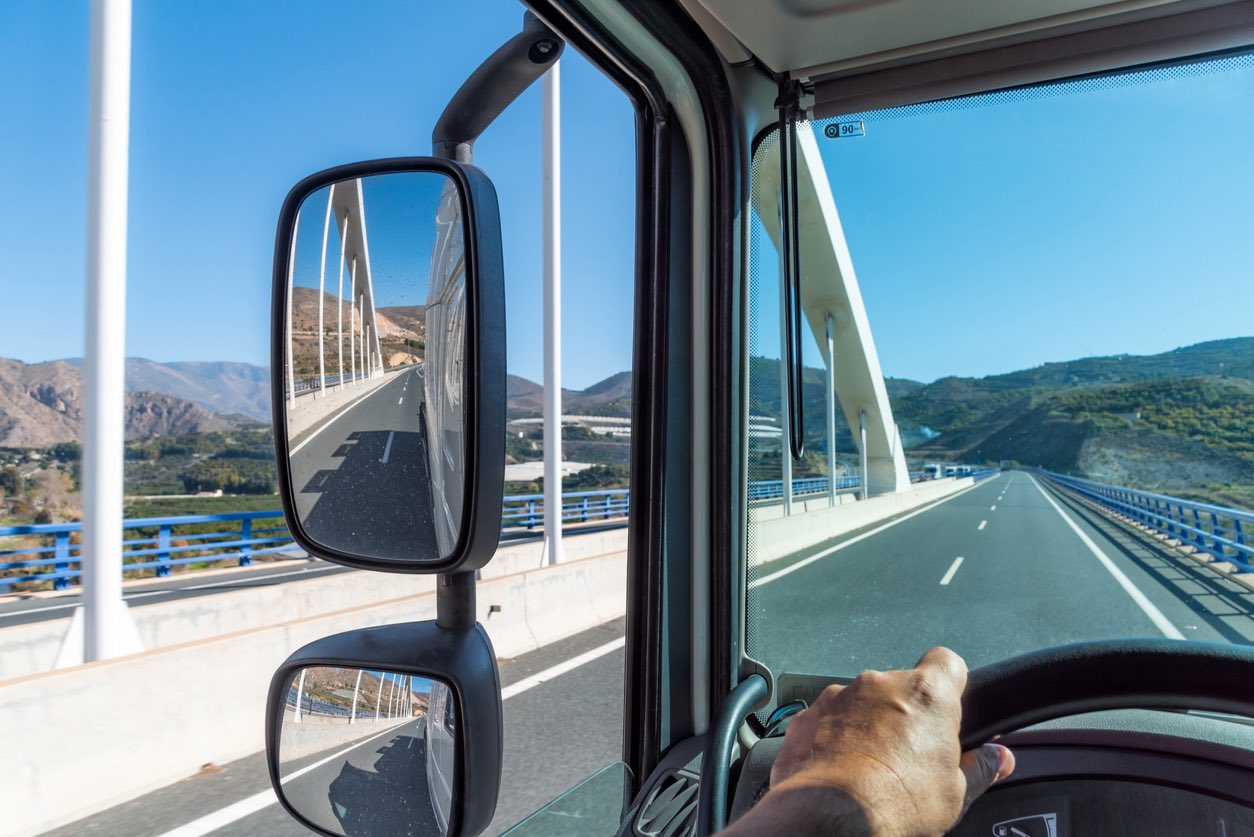
Long-distance auto transport concentrates on the interstate spine, because that is where volume, fuel stops and legal truck routing all line up.
- I-95 runs the East Coast from Maine to Miami and is the densest auto transport corridor in the country.
- I-10 crosses the southern tier from Los Angeles through Phoenix, Tucson, San Antonio, Houston and New Orleans to Jacksonville. It stays open in winter, which matters.
- I-40 is the central route, Barstow to Nashville and on toward the Carolinas.
- I-80 is the northern transcontinental, the San Francisco area to the New York area, and the one most affected by winter closures.
- I-5 carries the entire West Coast, San Diego to Seattle.
If both your endpoints sit on or near one of those, you are on a well-served lane. If one endpoint is two hours off the interstate, the carrier has to build that detour into the price.
What the Popular Lanes Actually Cost
These are open-transport ranges for a standard sedan outside peak season. Notice that price tracks distance far less tightly than people expect, because lane popularity is doing much of the work.
Dallas to Los Angeles and New York to Miami cover very different distances for nearly the same money, because both sit on heavily traveled corridors with balanced traffic. A shorter but thinly served route can easily cost more than a longer popular one.

Direction Matters as Much as Distance
Lanes are rarely balanced. The clearest example is the seasonal tide down the East Coast: from October through December vehicles move south in volume, so southbound capacity is tight and priced high while northbound trucks return with empty slots and quote cheaply. In April and May it reverses exactly.
The same asymmetry shows up around university terms in late August and January, and around large corporate relocations. If your dates flex, quoting both a peak-direction week and an off-peak one is often a several-hundred-dollar difference on an identical route.
Weather Reshapes the Map in Winter
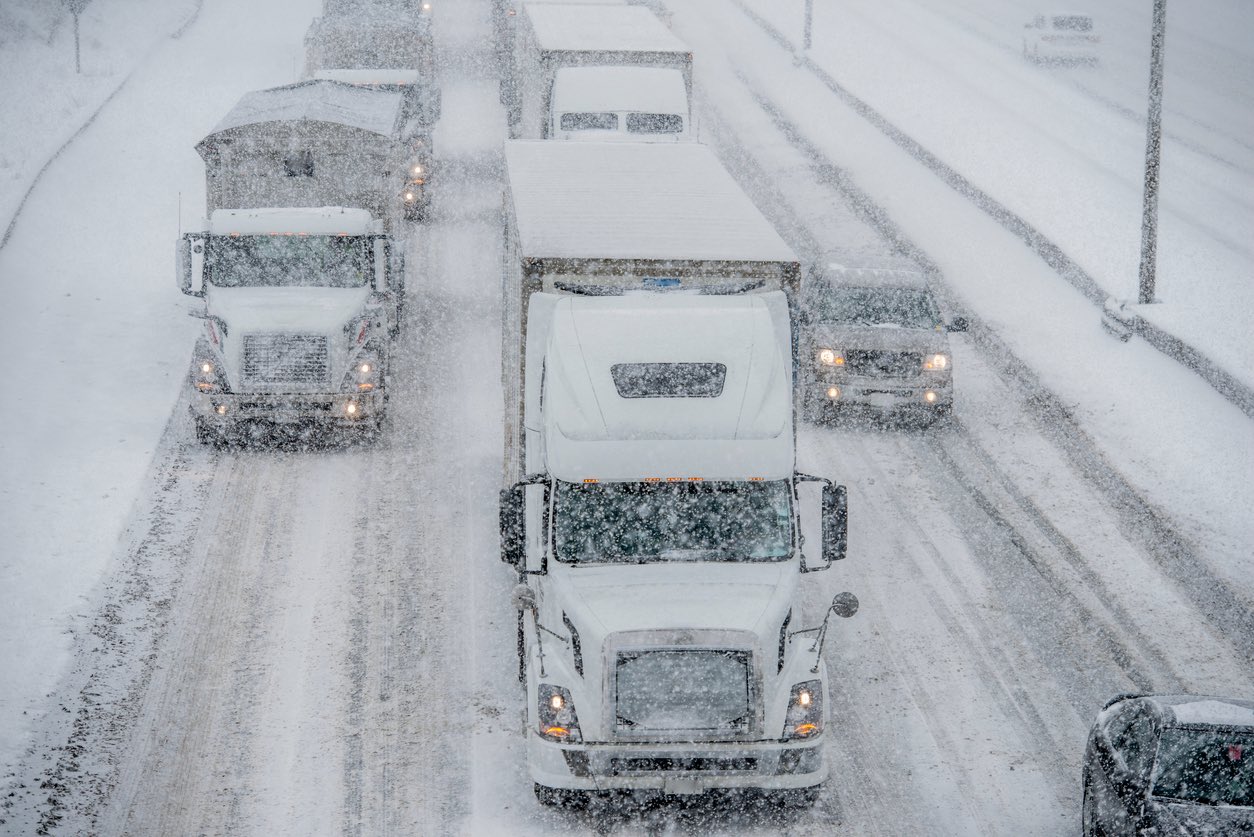
From December through March the northern transcontinental route becomes unreliable. Mountain passes close, storms shut long sections of the Plains, and carriers reroute south onto I-40 or I-10, which adds distance and time.
Shipping between the Northeast and the West Coast in midwinter is therefore both slower and more variable than the same trip in September. Build in a buffer, and if the vehicle is valuable consider enclosed transport to keep road salt off it.
Alaska and Hawaii Are a Different Kind of Route
Neither is reachable by truck alone, so the trip becomes a road leg plus an ocean leg. Vehicles bound for Hawaii typically travel by carrier to a West Coast port, most often in the Los Angeles or Oakland area, then sail to Honolulu with onward service to the other islands. Alaska usually runs through Tacoma or Seattle and up to Anchorage, though a road route through Canada exists and brings border paperwork with it.
Plan on two to four weeks door to door rather than the days a mainland move takes, because sailing schedules run weekly rather than daily and a missed vessel costs a full week. Ports also apply their own rules, commonly a near-empty fuel tank, no personal items whatsoever in the vehicle, and a clean undercarriage for agricultural inspection.

Short Routes Follow Different Rules
Under about 500 miles the per-mile figure stops being a useful guide. Loading, paperwork and handling cost the same whether the truck drives 300 miles or 3,000, so a short hop carries proportionally more of that fixed overhead and can look expensive per mile while being cheap in absolute terms.
Short regional moves also fill in around long hauls, so a driver already running your corridor may take a 250 mile leg cheaply to top up a deck. Flexibility pays off more on short routes than on any other kind.
How to Put Route Knowledge to Work
- Quote from the nearest major metro. If you live 90 minutes from a large city, compare a quote to your door against one meeting the carrier in town. The saving is often larger than the drive is worth.
- Give a window, not a date. A three or four day pickup window lets a dispatcher fit you into an existing load rather than build a trip around you.
- Ask what the lane is running at. A coordinator who quotes the real market rate is more useful than one who quotes low and revises later.
- Ship against the season where you can. The off-peak direction is the cheapest capacity in the market.
- Be honest about the endpoints. A rural address, or a street a 75-foot rig cannot enter, changes the plan, and it is far cheaper to solve at quote time than on pickup day.
Door-to-Door or Terminal
Door-to-door is the standard and is what most people should choose: the driver comes as close to each address as the truck can legally and safely reach. Where that is genuinely impossible, in a dense downtown or a restricted community, the handoff moves to a nearby lot, which is normal rather than a downgrade.
Terminal service, where the vehicle waits at a yard at each end, exists on some lanes and occasionally saves money. It also adds storage days and another handling step, so it usually suits a flexible timeline rather than a tight one.
Common Questions
Which routes are cheapest? The high-volume corridors between large metros, especially in the off-peak direction. Popularity lowers price more reliably than short distance does.
Why did a shorter trip quote higher than a longer one? Almost always lane density. A thin route means a detour or a partly empty deck, and the price carries that.
How far ahead should I book? One to three weeks on a busy corridor. Three to four in the peak seasonal direction, in midwinter on northern routes, or to a rural endpoint.
Does the route change how long it takes? Yes. A direct interstate run moves faster than one requiring detours, and winter reroutes on northern lanes add days.
Can I choose the route my car takes? No, the carrier plans it around the whole load. What you control is the endpoints, the timing and the flexibility you offer.
Get a Quote
Call Ship A Car, Inc. at (866) 821-4555 and ask what your specific lane is running at, or compare options with the instant calculator.