Shipping Two or More Cars at Once
Two vehicles on one booking is almost always cheaper per car than two separate bookings, provided they are going roughly the same way at roughly the same time. The saving is real and it comes from the carrier’s side: one dispatch, one route, one set of paperwork, and two slots filled on a trailer that was making the trip anyway. Where people get caught out is assuming “together” is flexible. It is not particularly, and knowing what the word actually requires is the difference between one efficient booking and two ordinary ones. Our multi-car shipping page shows how the per-vehicle price falls as the group grows.
Why It Costs Less Per Car
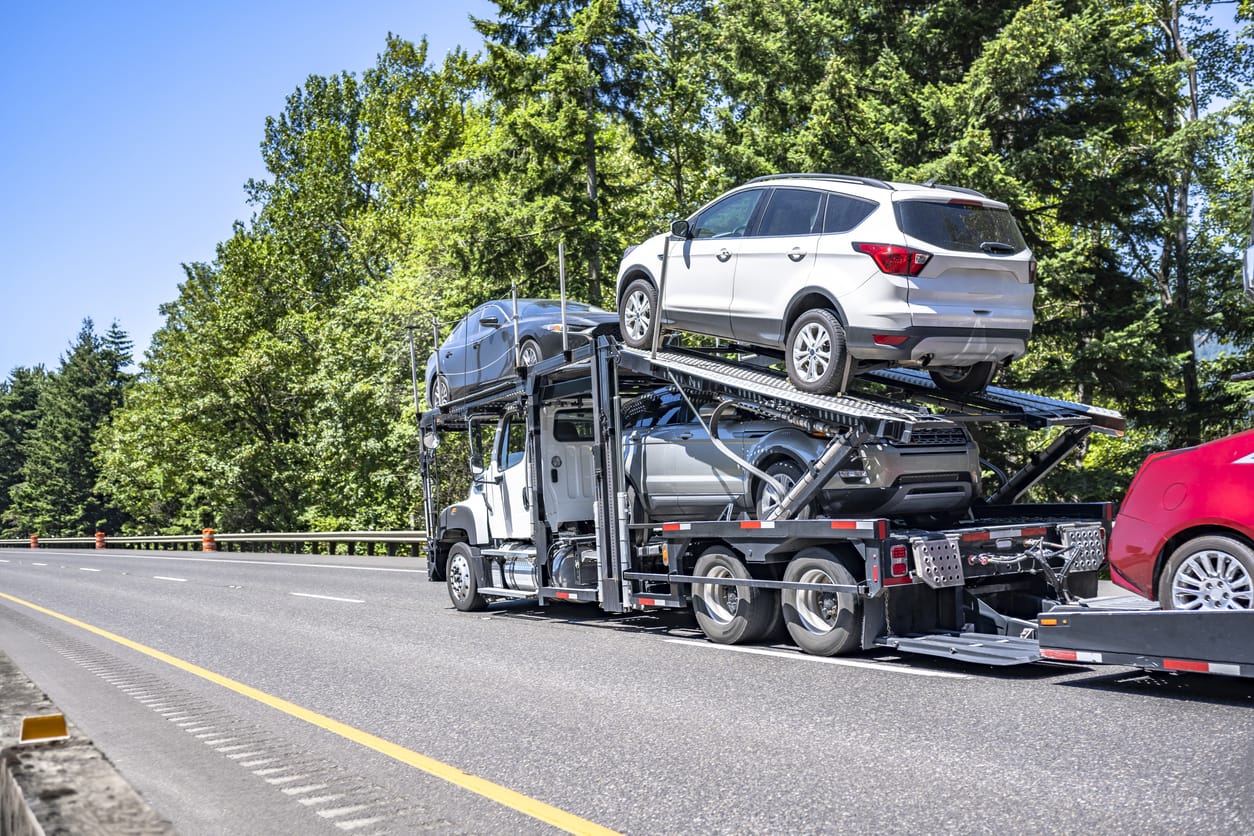
A carrier assembles seven to ten vehicles heading the same direction. The expensive part of adding your car to that load is not the fuel, it is the detour to collect it and the administrative work around it.
Two cars from the same address remove the second detour entirely. The driver stops once, loads twice, and delivers to one place. That efficiency is what you are being given back, and it typically shows up as a meaningful discount on the second vehicle rather than a straight halving.
It also improves your odds of being picked up quickly. A dispatcher choosing between loads prefers two slots at one stop over one slot, so a pair often assigns faster than a single car on the same lane.
What “Together” Actually Requires
Three things, and the discount weakens as each one loosens.
The same origin, or very close. Two cars at one house is ideal. Two cars twenty minutes apart is usually fine. Two cars in different towns is two collections and most of the saving disappears.
The same destination area. Same again at the far end. Delivering to two addresses across a metro is normally workable; delivering to two different states is two jobs.
The same pickup window. Both cars must be available and ready on the same days. If one is not going to be there, say so at booking rather than on the morning.
If any of those do not hold, it is still worth quoting them as a pair. You may not get the full multi car rate, but a company handling both moves can often coordinate them better than two unrelated bookings.
Mixed Sizes Change the Math
The discount is real but it is not a flat rate per extra vehicle, because trailer capacity is limited by weight and dimensions rather than by a headcount.
Two compact sedans are the easy case and attract the best pairing. A sedan plus a full size truck or a large SUV is more, because the second vehicle occupies more deck and adds meaningfully more weight. Two large trucks together can be close to two individual bookings, since a carrier may only fit a couple of them on the whole trailer.
Give the year, make and model of both vehicles rather than “two cars”, and mention if either is lifted, lowered, or does not run. Each of those changes the slot it needs.
Staggered Pickup or Delivery
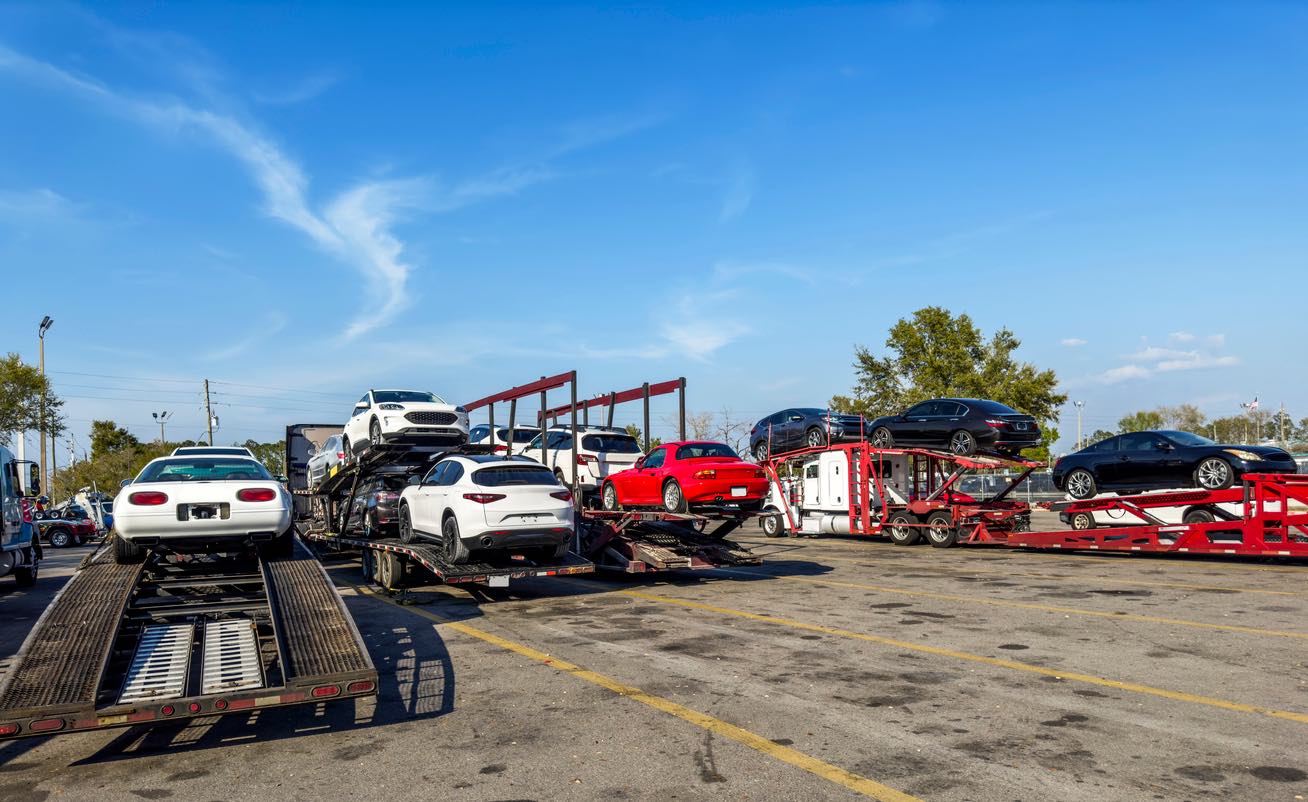
A common real world case: you want both cars moved, but one is available now and the other in two weeks. That is two bookings, and quoting them as one will only produce a number that has to be revised.
Two better options. Wait and move them together if the timing can flex, which keeps the discount. Or book them separately and tell the coordinator they are related, so the second one can be planned with the first in mind and you deal with one point of contact.
Delivery can sometimes be staggered more easily than pickup, since two addresses in the same metro are a normal part of a route. Two pickups on different days are not.
More Than Two
Three or more vehicles moves from a discount into a different conversation. At that point a carrier may dedicate a larger share of a trailer or, for larger numbers, a whole one, and the pricing works on the load rather than per car.
If you are a dealership moving inventory rather than a household moving two family cars, our guide for dealerships covers the volume side.
Preparing Both Cars
Standard preparation applies to each vehicle and the pre-pickup checklist covers it. Wash both so existing marks are visible, photograph every panel of each in daylight, empty both completely, and leave about a quarter tank in each.
Two points specific to a pair. Each vehicle gets its own condition report, so allow time to walk both with the driver rather than rushing the second. And make sure both are accessible, not parked in behind each other or blocked by something that has to be moved first, because the driver is working to a schedule.
Common Questions
How much cheaper is two cars? Meaningfully less per vehicle than two separate bookings, though not half. Two similar sized cars from one address get the best rate.
Do both cars have to go to the same address? The same area is usually enough. Two addresses across a metro is normal; two states is two jobs.
Can they be picked up on different days? Not on one booking. Either align the dates or book them separately and link them through one coordinator.
Does a truck cost the same as a sedan? No. Larger vehicles take more deck and weight, so a mixed pair costs more than two compacts.
Is one report for both cars? No. Each vehicle has its own condition report signed at both ends.
Get a Quote
Call Ship A Car, Inc. at (866) 821-4555 with both vehicles and both addresses, or price the move with the instant calculator.