Shipping a Vehicle That Does Not Run
Carriers do not classify a vehicle by whether the engine starts. They classify it by whether it rolls, steers and brakes, and those three words decide the equipment, the carrier and the price.
Non operational vehicles move every day: accident damage, repossessions, auction buys, project cars, inherited vehicles, anything that has sat too long. Here is how it works and what to describe accurately, and our inoperable vehicle shipping page sets out what each answer means for the equipment and the quote.
Answer Five Questions, Not One
“Does it run” is too coarse to quote from. What a carrier actually needs is:
Does it start? Useful but the least important.
Does it move under its own power? If yes, it is effectively an operable vehicle for loading purposes.
Does it roll freely in neutral? The critical one. A vehicle that rolls can be winched onto a deck.
Do the brakes work? A vehicle that rolls but cannot be stopped is genuinely dangerous on a ramp.
Does it steer? A vehicle that will not steer cannot be positioned, even winched.
Answer those five and any competent carrier can tell you immediately what equipment it needs and what it costs. Answering only the first is how quotes get revised at the curb.
The Three Loading Methods
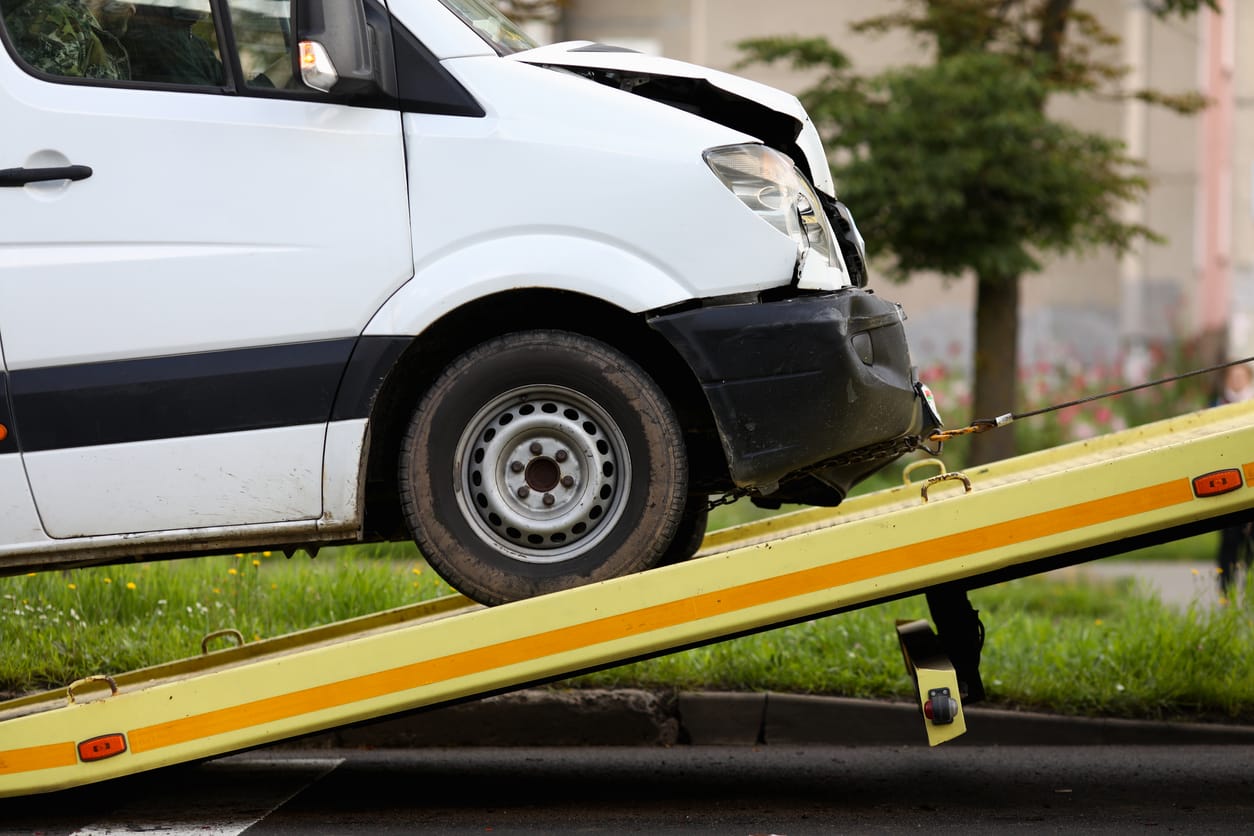
Winch. The standard approach for a non runner that rolls and steers. A cable pulls it up the ramps. It needs a solid attachment point, so know where yours is, since not every vehicle has an obvious tow hook and pulling on the wrong point causes damage.
Tilt bed or flatbed. The deck lowers to a shallow angle so the vehicle is pulled on with less strain. Better for low cars and for anything with fragile bodywork, and the usual answer for a vehicle with front end damage.
Forklift or crane. For anything that will not roll at all: seized brakes, a missing wheel, a locked transmission, collapsed suspension. The most expensive option, and it needs the machine at both ends rather than just one.
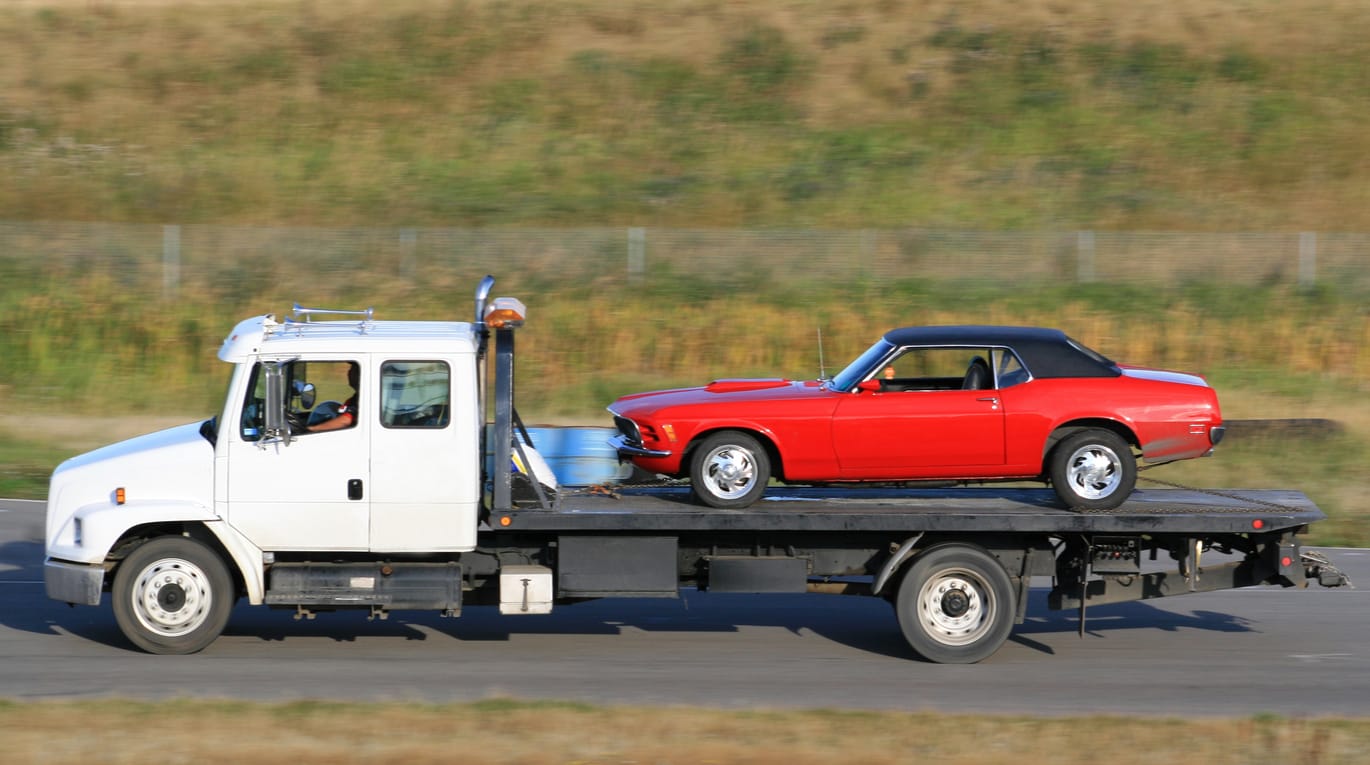
Not every truck carries a winch. That is the practical reason a non runner narrows the carrier pool and why a few days of date flexibility helps more here than on an ordinary move.
What It Costs and Why
Expect a premium over a running vehicle on the same route, and the reason is not arbitrary: fewer carriers have the equipment, loading takes longer, the vehicle occupies a specific position on the trailer, and it carries more risk for the driver.
The premium scales with difficulty. Rolls and steers is a modest addition. Needs a forklift at both ends is a different quote entirely, because equipment has to be scheduled at each location.
What keeps it down is an accurate description. A vehicle described as rolling that turns out to have seized brakes cannot be loaded by the truck that arrives, which means a wasted trip, a rescheduled pickup and a new price. That correction costs more than the honesty would have.
Preparing a Vehicle That Has Been Standing
Most of this is about making it easier to move rather than making it run.
Tires. A vehicle that has sat for years often has flat spots or tires that will not hold air. Inflating them, even temporarily, is the difference between rolling and dragging. If a tire will not hold air at all, say so, because skates can handle it if the driver knows in advance.
Brakes. Seized drums are the most common reason a project vehicle will not roll. If they cannot be freed, that information is more valuable to the carrier than anything else you can tell them.
Loose parts. Long stored vehicles often have components in the trunk or on the back seat, a hood that will not latch, or trim that has come adrift. Secure it or remove it.
Fluids. Fix a significant leak before shipping. A vehicle leaking onto another car below it on an open trailer becomes your problem.
Documentation. Photograph everything before loading. A non operational vehicle’s condition is complicated, and a detailed photographic record protects both sides when the report is completed.
Damage Cases Have Extra Considerations
An accident damaged vehicle raises three things beyond the above.
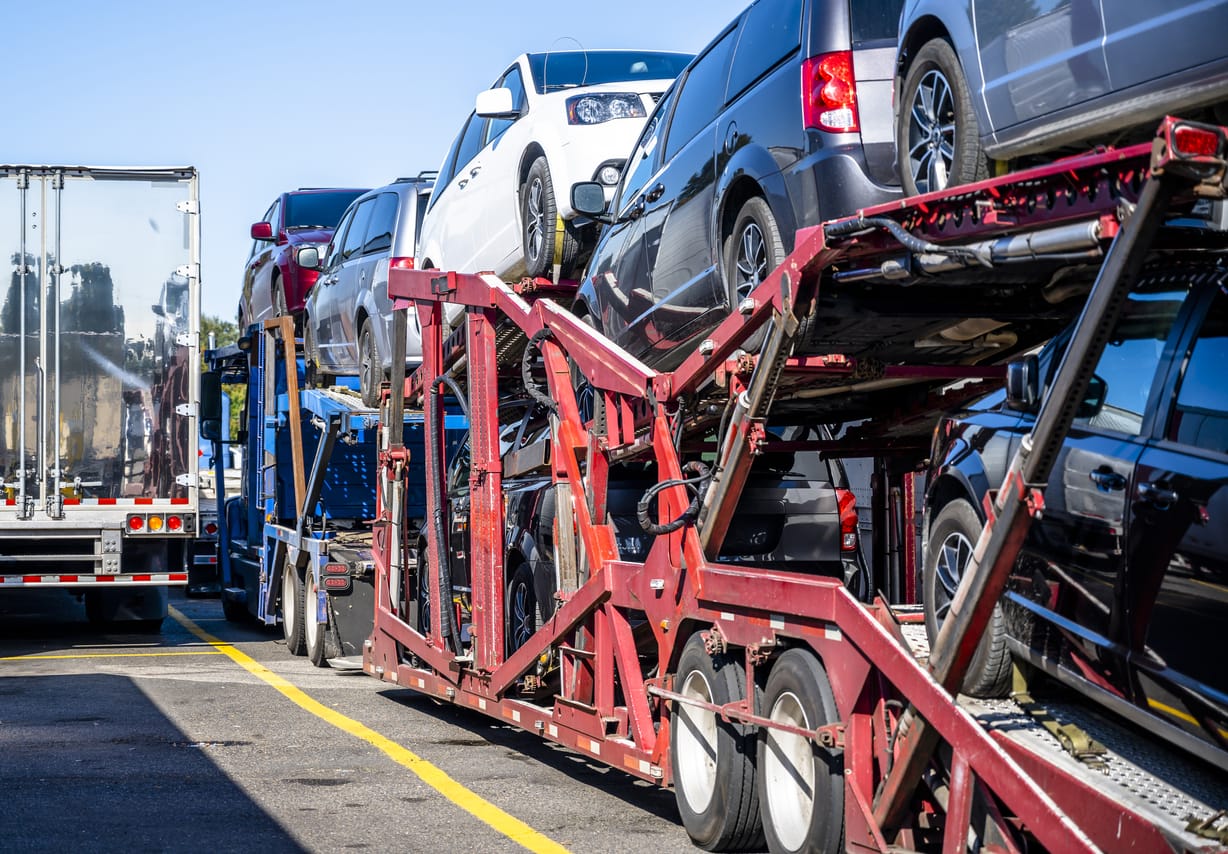
Sharp edges and loose panels need securing, because they are a hazard to the driver and to other vehicles on the trailer.
Fluid containment. Significant leaks may need to be addressed before a carrier will accept it.
Airbags and high voltage systems. On a damaged electric or hybrid vehicle, a compromised battery pack is a serious matter and may not be transportable by a standard carrier at all. Declare it rather than hoping.
Paperwork and Release
Non operational vehicles are frequently bought at auction, released by insurers, or collected from estates and storage yards, so the paperwork is more often incomplete than in an ordinary sale.
The carrier needs authorization to collect and a clear contact at each end. Where a third party is releasing the vehicle, confirm what they require and who may sign, before the truck is dispatched. A gate that will not open is one of the most common causes of a failed pickup and it is entirely preventable.
For a classic or collector vehicle that does not run, the additional considerations are covered in our page on shipping a classic car that does not run.
Common Questions
Can you ship a car that does not start? Yes, routinely, provided it rolls, steers and brakes. Those three matter more than the engine.
What if it will not roll? A forklift, skates or a tilt deck. That is specialty equipment and it must be arranged at both ends.
How much more does it cost? More than a running vehicle on the same route, scaling with how it has to be loaded.
What should I tell the carrier? Whether it starts, moves under its own power, rolls in neutral, brakes and steers. Those five answers determine everything.
What about a damaged electric vehicle? Declare a compromised battery pack. It may require a specialist carrier and it is not ordinary freight.
Get a Quote
Call Ship A Car, Inc. at (866) 821-4555 with both zip codes, your date range and whether the vehicle rolls, steers and brakes, or price the move with the instant calculator.