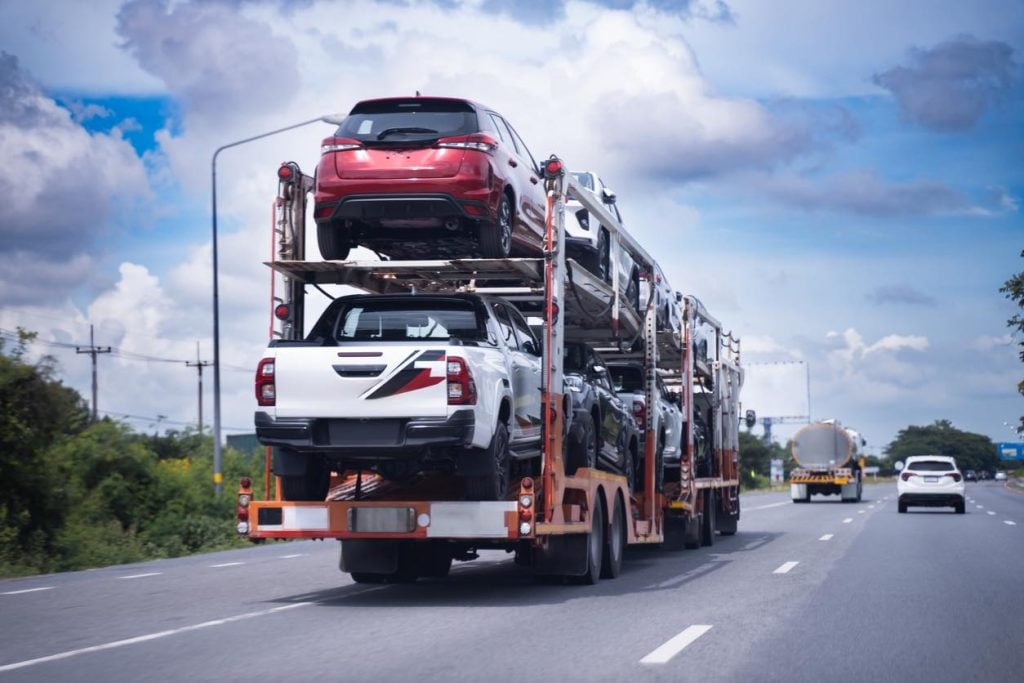
Car Shipping for Government Workers
The single most useful thing a relocating federal employee can do is find out, in writing and before booking anything, whether shipping a privately owned vehicle is authorized on their relocation orders. That one answer decides whether the move is an expense you are managing or a reimbursement you are documenting, and it changes what you should ask a carrier for. Everything else follows from it.

Start With What Your Orders Authorize
Federal relocation entitlements vary by agency, by appointment type and by whether the move is in the government’s interest or at your own request, and the differences are substantial.
Ask your agency’s travel or relocation office three specific questions rather than general ones. Is transportation of a privately owned vehicle authorized, and for how many vehicles? Is the benefit a direct billing arrangement, a reimbursement against receipts, or a lump sum? And what documentation will be required to substantiate it?
The distinction between reimbursement and lump sum matters more than people expect. Under a reimbursement you want an itemized invoice from a carrier who can produce one. Under a lump sum the money is yours to allocate, so the cheapest workable option is simply better for you.
Get the answer in writing. Verbal guidance from a colleague who moved two years ago is not a basis for a financial decision, and entitlements change.
Timing Around a Report Date
A government relocation usually has a firm report date and a great deal of flexibility on either side of it, and using that flexibility is how the car gets onto a truck without a rush.
Standard transit is roughly one to two weeks coast to coast once a car is collected, three to five days on a regional lane. Assignment normally takes a few days on top. Working backward from your report date, book two to three weeks out and give a range of pickup days rather than one date. A flexible customer is easier to serve and gets assigned faster.

Arrange for the car to arrive after you do rather than before. A vehicle delivered to a city where you have not yet arrived becomes a storage problem, and storage is rarely reimbursable.
If your household goods and your vehicle are moving on separate arrangements, and they usually are, do not assume the dates line up. They are different carriers with different schedules.
Documentation Is the Whole Job on a Reimbursement
If you are claiming this back, the paperwork is not an afterthought. It is the deliverable.
Get a written quote before the car moves, showing the origin, the destination, the service type and the total. Get an itemized invoice afterward showing the same figures and the dates. Keep the bill of lading from both pickup and delivery, since it is the document that proves the vehicle actually moved between the two points on your orders.
Pay by a method that produces a record. Cash payments to a driver are difficult to substantiate later, and a claim that cannot be substantiated is a claim that gets denied.
If your agency requires a specific format or particular line items, ask the carrier up front whether they can produce it. Most can. Finding out afterward that they cannot is a genuine problem.
Two Vehicles, and the Second Car Question
Many households moving for a federal position have two vehicles and authorization covering fewer than that.
The arithmetic is worth doing honestly. Driving one car yourself sounds free and is not: fuel, several nights of lodging, meals, the mileage put on the vehicle and the days of your own time. Over a long move, shipping both is frequently close in cost and much less disruptive, particularly with children or pets in the picture.
Where two cars are shipping on the same lane at the same time, say so when you book. Carriers price two vehicles from the same address to the same destination better than two separate bookings, because it is one stop at each end.

Do Not Ship Anything in the Car
This applies to everyone but it matters more in government service.
Personal items in a vehicle are not covered by a carrier’s cargo insurance, they add weight, and they move around in transit. Beyond that, anything work related should not be in a car that will be out of your custody for a week and handled by people you have not met. Documents, agency equipment, badges and credentials all travel with you, not in the trunk.
Empty the cabin and the trunk completely, and remove your toll transponder so you are not billed for the truck’s route.
Reduction in Force and Self Funded Moves
Not every government relocation comes with orders, and a move after a position ends is a different financial situation.
Without an authorized entitlement you are an ordinary customer, which means the ordinary levers apply: flexible dates, an open carrier rather than enclosed, a meeting point at a large lot near an interstate rather than a difficult residential address, and booking two to three weeks ahead rather than in a hurry.
Ask about a government or veteran discount anyway. Many carriers and brokers offer one, and it is applied when you ask rather than automatically.
Registering in the New State
Every state sets its own deadline for new residents to register a vehicle, commonly somewhere between 30 and 90 days, and several also require an emissions or safety inspection first.
Look up the specific requirement for your destination before you arrive and treat it as a first month errand. If you are moving into a state with its own emissions rules, confirm your specific vehicle can be registered there before it ships rather than afterward.
Preparing the Car
Wash it so existing marks are visible, then photograph every panel in daylight, including the wheels, the lower bumpers and the rocker panels, which are what loading marks.
Leave about a quarter tank of fuel. Fold the mirrors, disable a motion sensitive alarm and hand over a key. At delivery, inspect before signing, compare against your photographs, and note anything unexpected on the bill of lading while the driver is still present. On a reimbursed move that signed document is also part of your claim file. Our guide to open and enclosed carriers covers the service choice.
Common Questions
Will the government pay to ship my car? Sometimes. It depends on your agency, your appointment and your orders. Ask the relocation office in writing whether vehicle transportation is authorized.
What paperwork do I need for reimbursement? A written quote, an itemized invoice, and the bill of lading from pickup and delivery. Pay by a method that leaves a record.
How far ahead should I book? Two to three weeks before your report date, with a range of pickup days rather than a single date.
Can I ship two cars? Yes, and two vehicles on the same lane at the same time usually price better together than as separate bookings.
Is there a government discount? Frequently, but it is applied when you ask. Raise it when you request the quote.
Get a Quote
Call Ship A Car, Inc. at (866) 821-4555 with both zip codes, your report date and whether you need an itemized invoice for reimbursement, or request an estimate for the move through the quote calculator.