Shipping a Vehicle from Santa Barbara, California
Santa Barbara sits on a narrow strip between the mountains and the ocean with one highway through it, and that geography is the whole story of shipping a car here. Highway 101 is the only practical route in and out, the city itself is compact and expensive to park in, and the surrounding communities range from easy to genuinely awkward for a 75 foot truck.
One Corridor In and Out
Highway 101 runs the length of the California coast and passes directly through Santa Barbara, which is good news for availability.
South it reaches Ventura, Los Angeles and the Interstate 5 network within a couple of hours, which connects to everything. North it runs through San Luis Obispo toward the Bay Area. Carriers working the California coast pass through constantly, so ordinary Santa Barbara lanes are usually assigned within a few days.
What there is not is an alternative. The mountains behind the city mean there is no parallel inland route, so when 101 is affected by a slide, a fire closure or major roadworks, the whole corridor is affected. That is uncommon but it is worth knowing when you plan around a fixed date.
Where the Truck Can Actually Stop
This is the practical constraint, and settling it at booking prevents the most common problem.
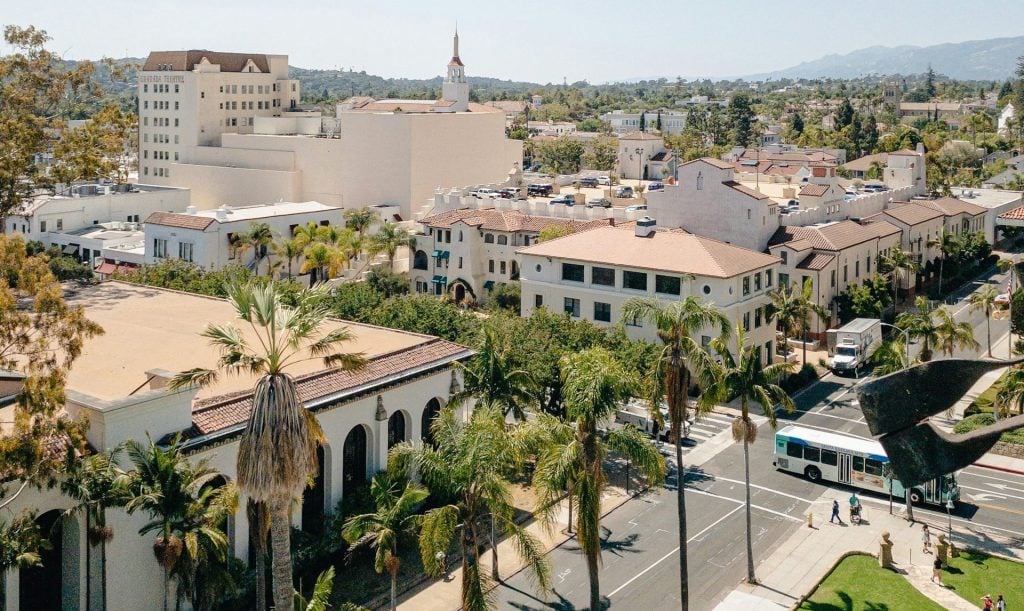
Downtown Santa Barbara has narrow streets, restricted parking and a low-rise historic core that a full size hauler cannot work in. The Riviera and the hillside neighborhoods above the city are worse: steep, narrow, and with switchbacks and overhanging trees that rule out a truck entirely.
Goleta, Carpinteria and the flatter areas near the freeway are straightforward. Montecito is mixed, with some addresses fine and others down private lanes that will not take a truck.
The normal arrangement where access is tight is a meeting point: a large retail lot near a 101 exit, usually a few minutes away. It costs nothing extra when agreed in advance and it is what experienced carriers will suggest.
The Lanes That Matter
Los Angeles is a short regional move, quick to assign and inexpensive. The Bay Area is a straightforward run up the coast or over to Interstate 5.
Cross-country lanes to Texas, the Midwest and the East Coast all route through the Los Angeles basin first, which is why they price as a Los Angeles lane plus a short leg rather than as something exotic. Transit is typically two to four days to Texas and seven to ten to the East Coast once collected.
Seasonal demand follows the general pattern rather than a local one: summer is the industry peak because it is when most households move, and rates rise from June through August.
Students, Seasonal Residents and Second Homes
Three local patterns account for a large share of the vehicles moving in and out of this area, and each has its own timing.
UC Santa Barbara and Santa Barbara City College drive a genuine academic cycle. Vehicles arrive in late August and September and leave in May and June, and those weeks are busy on the Los Angeles and Bay Area lanes as well as the long ones. Book three to four weeks ahead around term boundaries, and remember that a student address in Isla Vista is exactly the kind of dense, narrow, parked-solid street a hauler cannot work in.
Seasonal residents move vehicles on a longer cycle, typically out in spring and back in autumn, and frequently to and from the East Coast or the mountain states. Booking both directions together is worth doing if the dates are known.
And second homes generate the enclosed transport demand. A car that lives at one property for part of the year and is moved rather than driven is usually a car worth protecting, and it is often low, valuable or both.
What It Costs
Distance sets the base, then the vehicle, the equipment and the access.
A full size truck or SUV takes more deck space and weight allowance than a sedan. A vehicle that does not run needs a winch and an equipped carrier. Enclosed adds about a third, and Santa Barbara has more than its share of vehicles where that is the right call.
Access is the local variable. A Goleta address near the freeway prices better than a hillside one requiring a meeting point, though the meeting point itself costs nothing if it is agreed rather than discovered.
Open or Enclosed
Open transport carries the majority of vehicles and is right for an ordinary car.
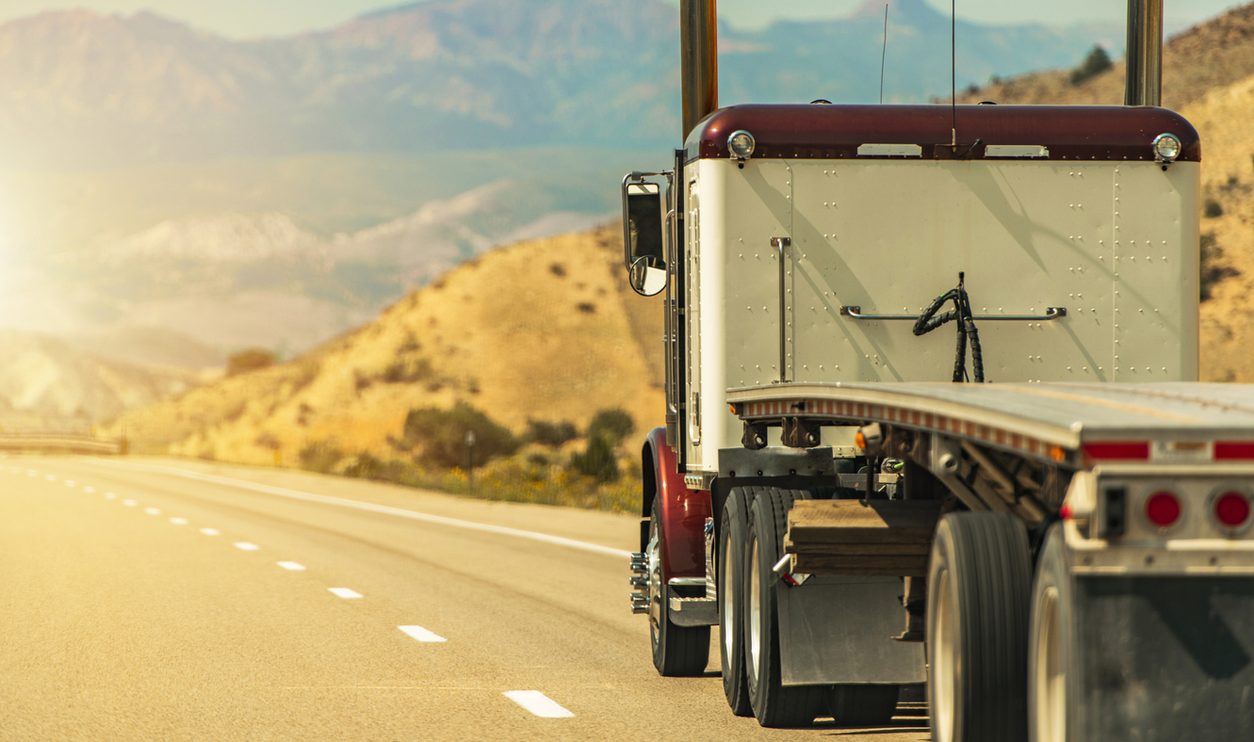
Enclosed is worth the premium on a collector vehicle, fresh paintwork or a wrap, and on anything low enough to need a lift gate rather than ramps. It has a local argument too: coastal salt air and the fine grit that comes with it are hard on paint over several days on an open deck.
Preparing the Car
Wash it so existing marks are visible, then photograph every panel in daylight, including the wheels, the lower bumpers and the rocker panels, which are what loading marks. Photograph the odometer.
Leave about a quarter tank of fuel. Empty the cabin and the trunk, since personal items are not covered by cargo insurance and they add weight. Fold the mirrors, disable a motion sensitive alarm, remove the toll transponder and hand over a physical key rather than a phone.
If the car has adjustable suspension, tell the driver how to raise it. If it has a weak battery or a fussy starter, say so before pickup. At delivery, inspect before signing and note anything unexpected on the bill of lading while the driver is present. Our California car shipping page covers the state more broadly.
Common Questions
How quickly can a carrier collect in Santa Barbara? Usually within a few days. Highway 101 carries constant coastal traffic, so trucks are regularly nearby.
Can a truck reach my address? In Goleta, Carpinteria and the flatter areas, usually. Downtown, the Riviera and hillside streets almost always need a meeting point.
How long to the East Coast? Seven to ten days in transit once collected, plus a few days for a carrier to be assigned.
Is enclosed worth it here? For a valuable or freshly painted car, yes. Coastal salt air over several days on an open deck is a real consideration.
When is it cheapest? Outside the summer peak. Rates across the industry rise from June through August.
Get a Quote
Call Ship A Car, Inc. at (866) 821-4555 with both zip codes, your date range and an honest description of the access at your address, or price the move with the instant calculator.