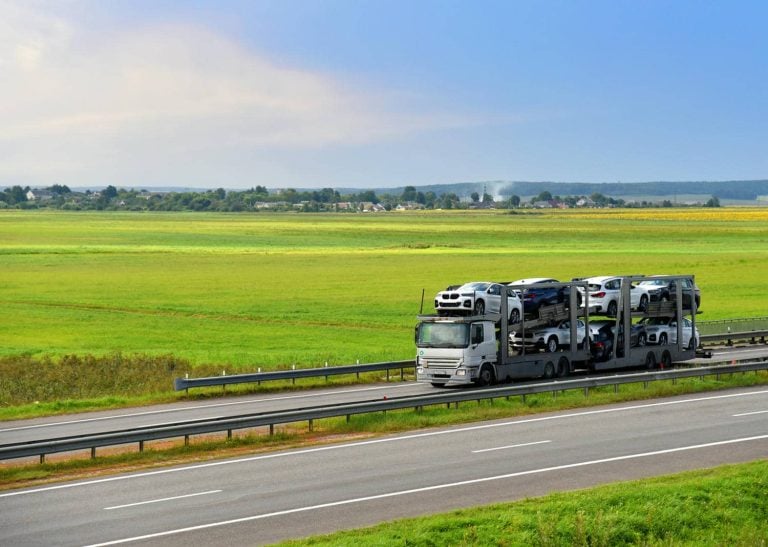
Shipping a Car from Florida to California
Florida to California is roughly 2,400 to 2,800 miles depending on which end of each state you are using, and it is one of the most heavily run lanes in the country. That volume is good news: carriers cover it constantly, so assignment is usually quick and pricing is competitive. What varies is the season, because this corridor carries the snowbird flow in one direction and the moving season in the other.
For what this lane has actually cost in our own orders, how long the wait for a carrier has been and what moves the price, see our Florida to California car shipping page.
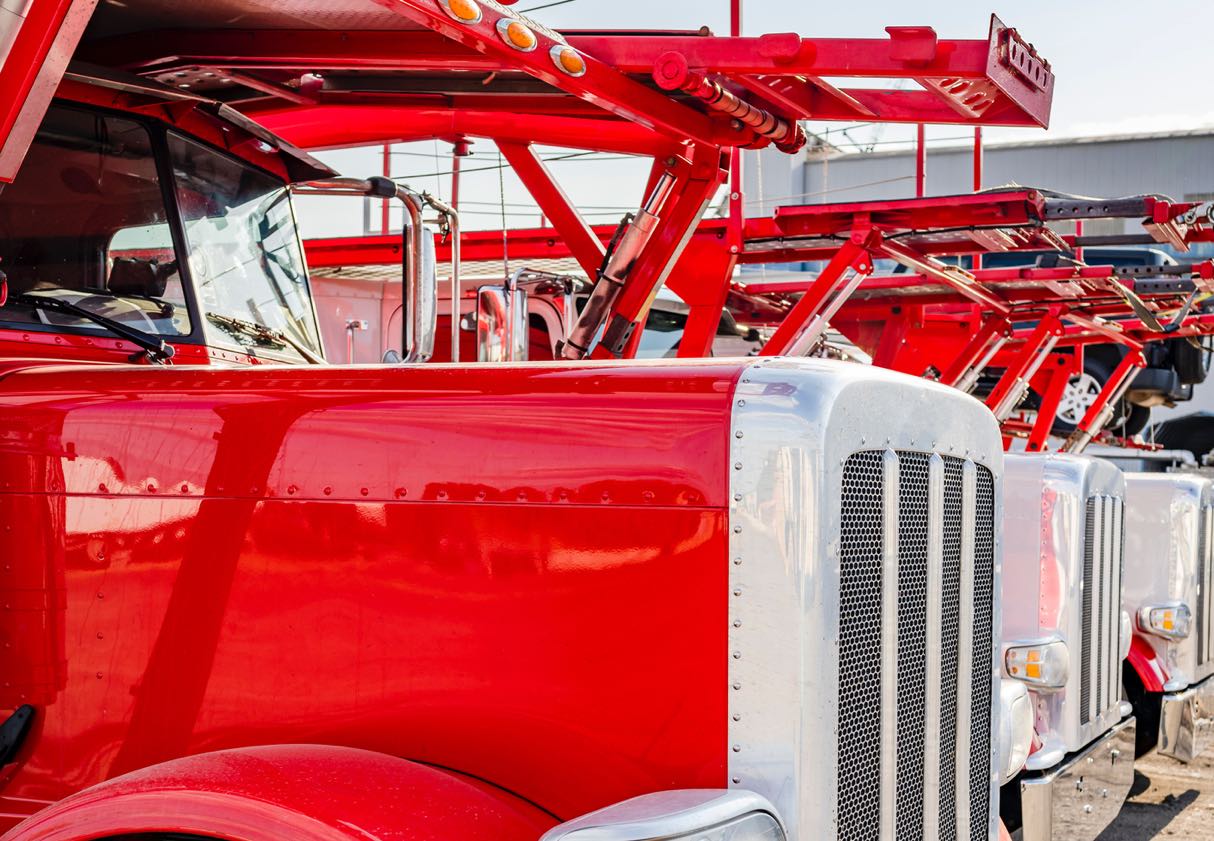
The Route Carriers Actually Run
There is no single Florida to California highway, and the route a carrier picks depends on where the load starts and what else is on the truck.
From South Florida the usual path is Interstate 10 west across the Panhandle, through Mobile, New Orleans, Houston and San Antonio, then Interstate 20 or a continuation on I-10 through El Paso and Tucson into Southern California. From Central and North Florida a carrier may run I-75 north to I-10, or take I-20 across from Atlanta.
Northern California destinations add a leg up I-5 from the Los Angeles basin, which is why San Francisco, Sacramento and points north usually price a little above San Diego or Los Angeles even though the mileage difference is modest.
This matters to you in one practical way: a carrier will quote the lane they run, not the shortest line on a map. An address near I-10, I-75 or I-95 in Florida is easier and cheaper to serve than one two hours off the corridor.
Timing Is the Biggest Variable
This lane is seasonal in both directions and the two peaks do not overlap.
Northbound and westbound demand out of Florida builds in March and April, when seasonal residents leave. Demand into Florida peaks in October and November. Neither of those is strictly the California flow, but they compete for the same trucks and the same drivers, so rates on every Florida lane rise in those windows.
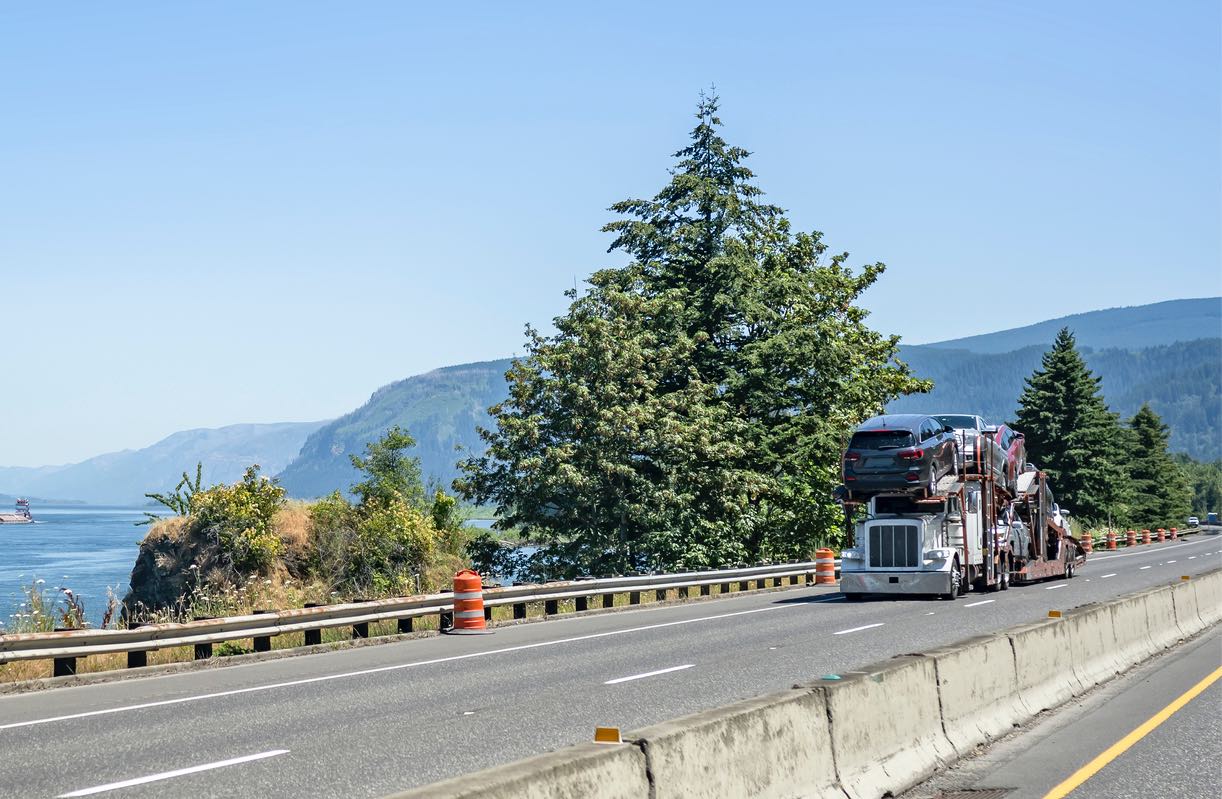
Summer is the industry peak everywhere because it is when most households move, and June through August is the busiest and most expensive time on this route.
If your dates can move, the shoulder months are cheaper and more reliable. If they cannot, book three to four weeks ahead rather than one to two, and give a range of pickup days instead of a single date.
How Long It Takes
Plan on seven to ten days door to door and the estimate will hold.
Transit itself is typically five to eight days once the vehicle is collected, because a driver covers a few hundred miles a day within federal hours of service limits and makes several stops along the way. On top of that, allow a few days for a carrier to be assigned after you book.
Expect a delivery window rather than a time. A driver who runs out of legal hours forty miles from your address stops for the night, and that is a rule rather than a lack of effort. Ask for the driver’s number on the day; a phone call tells you more than any tracking page.
What It Costs and Why
Distance sets the base, and after that the price moves with the vehicle, the equipment and the timing.
A standard sedan on an open carrier is the baseline. A full size truck or SUV takes more deck space and more of the trailer’s weight allowance, and prices accordingly. A vehicle that does not run needs a winch and a carrier equipped for it, which narrows the pool and raises the cost.
Enclosed transport costs about a third more. Access matters too: an address a carrier can reach without leaving the corridor is cheaper than a rural one, and gated communities in Florida frequently need a meeting point regardless.
Be wary of a quote well below the rest. Carriers choose loads from a live board, and a rate below market for the lane sits unaccepted while your dates slip. A realistic price that assigns in three days beats an optimistic one that never assigns.
Open or Enclosed
Open transport carries the overwhelming majority of vehicles on this lane and it is the right choice for an ordinary car.
Enclosed earns its premium on a collector vehicle, fresh paintwork, a wrap, or a low car that needs a lift gate rather than ramps. On a run this long it also removes several days of road debris and sun, which is a real argument on a vehicle you care about.

Preparing the Car
Wash it so existing marks are visible, then photograph every panel in daylight, including the wheels, the lower bumpers and the rocker panels, which are what loading marks. Photograph the odometer.
Leave about a quarter tank of fuel. Empty the cabin and the trunk, since personal items are not covered by cargo insurance and they add weight. Fold the mirrors, disable a motion sensitive alarm, remove the toll transponder and hand over a physical key rather than a phone.
Tell the carrier anything a driver needs in order to move the vehicle: a weak battery, a fussy starter, a low front lip, an alarm that arms itself. At delivery, inspect before signing and note anything unexpected on the bill of lading while the driver is present.
Registration After You Arrive
California expects new residents to register a vehicle within a set period of establishing residency, and it applies its own emissions rules.
Most vehicles from out of state need a smog check before registration, and a small number of vehicles built to federal rather than California emissions standards face additional requirements. If your car is modified or unusual, confirm it can be registered in California before it ships rather than after it arrives. Our California car shipping page covers the state more broadly.
Common Questions
How long does Florida to California take? Seven to ten days door to door, of which five to eight is transit once the vehicle is collected.
When is it cheapest? The shoulder months. Summer is the industry peak, and Florida lanes tighten again in the March to April and October to November snowbird windows.
Does Northern California cost more than Southern? Usually a little, because it adds a leg up Interstate 5 from the Los Angeles basin.
Can the truck come to my Florida address? In most neighborhoods yes. Gated communities and narrow streets frequently need a meeting point at a large lot nearby.
Do I need a smog check in California? Most out of state vehicles do before they can be registered. Confirm the requirement for your specific car before it ships.
Get a Quote
Call Ship A Car, Inc. at (866) 821-4555 with both zip codes, your date range and whether the vehicle runs and drives, or request an estimate for the move through the quote calculator.