Shipping a Car from Washington DC to Chicago
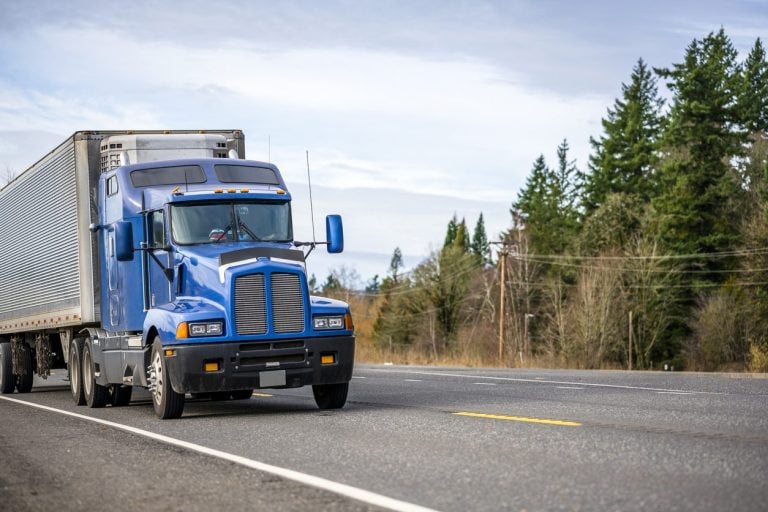
About 700 miles, two to four days once loaded, and one of the easier lanes in the country to get assigned. Both ends are major metros on heavily traveled corridors, so carriers run this route constantly in both directions and a realistically priced load rarely waits. The two things worth planning are the same at both ends: neither DC nor Chicago is a city where a 75 foot carrier can simply pull up outside your building, and both have parking rules that decide where the handover actually happens.

What It Costs and How Long
Our book holds no Washington DC to Illinois orders since 2023, so the figure below is a planning estimate rather than one of ours.
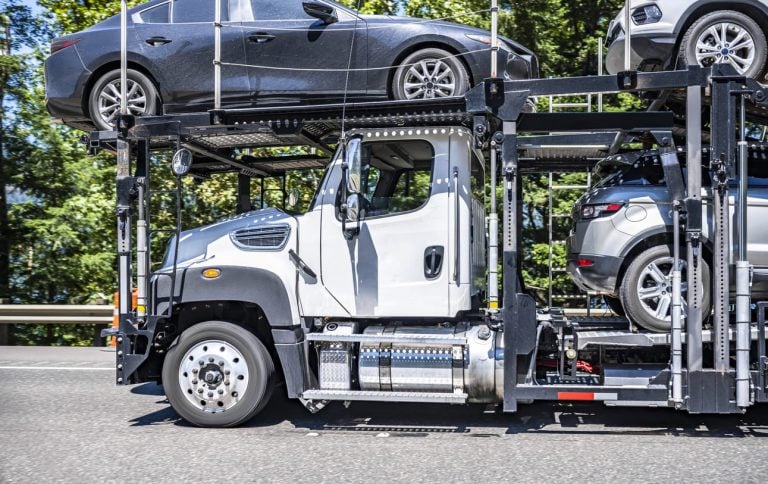
Open transport for a standard sedan on this lane commonly runs about $650 to $950, with two to four days in transit counted from pickup rather than from booking. A full size truck or SUV adds meaningfully, a vehicle that will not start or roll adds roughly $100 to $250 for winching, and enclosed transport adds 20 to 30 percent.
At this distance the per mile figure looks high compared with a coast to coast move, and that is normal. Loading, paperwork and handling cost much the same whether the trip is 700 miles or 2,700, so shorter lanes always carry a higher rate per mile.
Book one to two weeks ahead outside summer, three to four from June through August when the whole country is moving.
The DC End
Washington is genuinely difficult for a full size carrier, and it is worth being realistic about that before pickup day.
Much of the District is narrow streets with resident permit parking, one way systems and no legal place for a truck to stand for twenty minutes. Rock Creek Parkway and several other routes prohibit commercial vehicles outright, and low bridges rule out others. Downtown, a rig has nowhere to go at all.
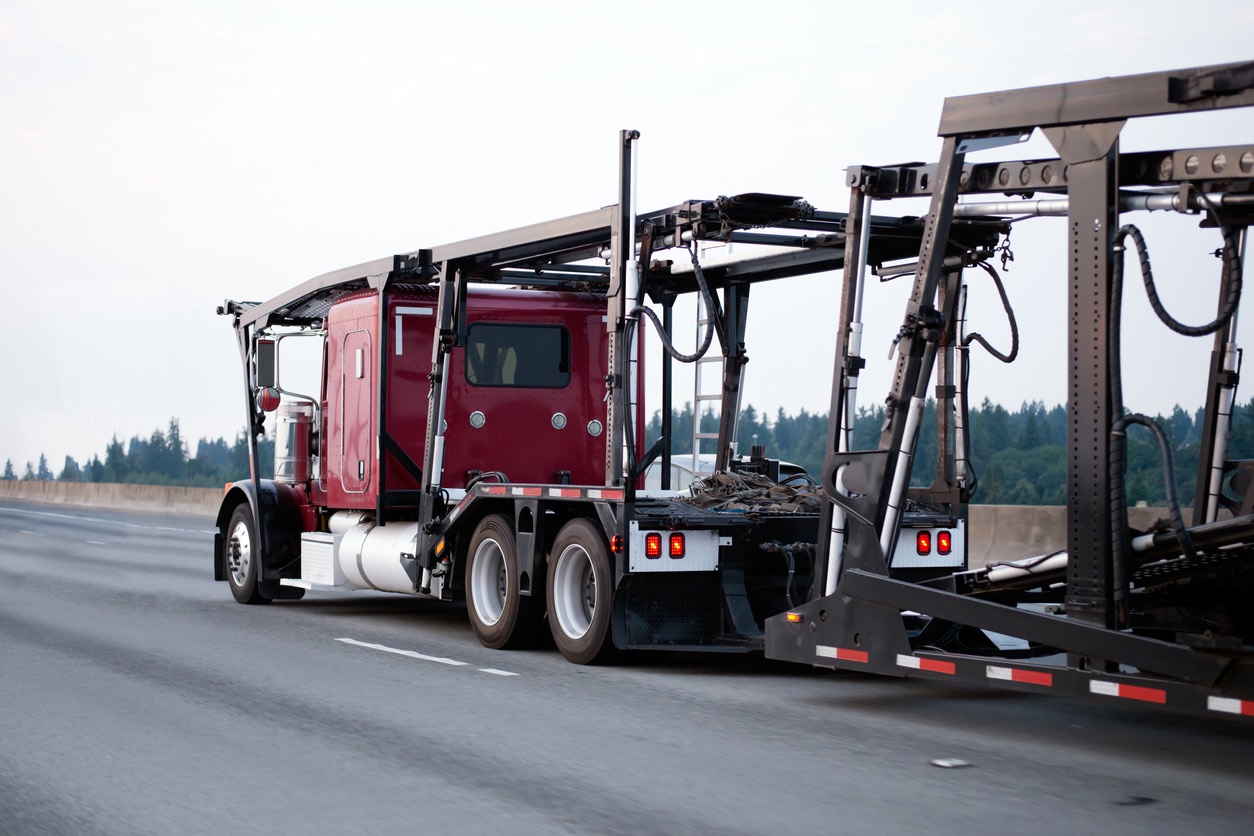
What happens in practice is that the driver proposes a meeting point, usually a large lot in Maryland or Virginia just outside the District, and you meet there. That is standard for this city rather than a shortcut, and drivers who run the corridor already know where they go. If you live in Arlington, Alexandria, Bethesda or the wider suburbs, access is much easier and a driveway pickup is realistic.
The Chicago End
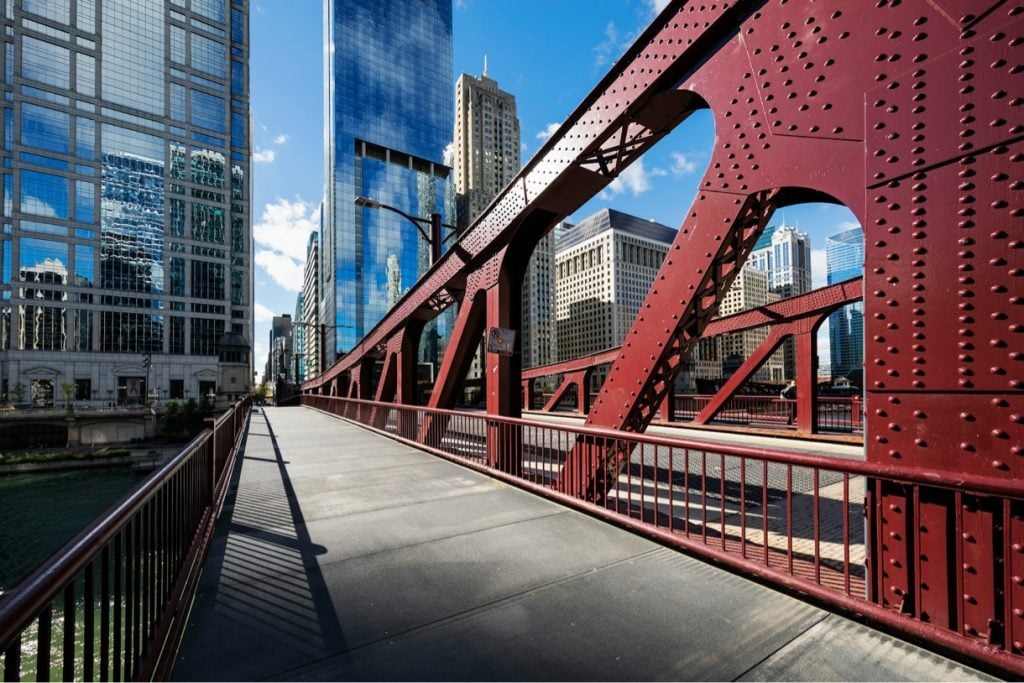
Chicago presents the same problem in a different shape. The city is a dense grid with permit parking, alleys a carrier cannot enter, and a well known abundance of low viaducts with clearances far below what a loaded trailer needs. Drivers route around them and will not chance it.
Winter adds its own rules. The city runs an overnight parking ban on many arterial streets through the winter months, and a separate ban that takes effect once snow reaches two inches. Neither stops a shipment, but both affect where a truck can legally sit while unloading.
Again the answer is a meeting point, typically a shopping center lot near an expressway. In the suburbs along I-290, I-355 or the north shore, door delivery is usually straightforward.
The Route Itself
Most carriers run the Pennsylvania Turnpike and I-76 across to Ohio, then I-80 or the Indiana Toll Road into Chicago. Some take I-70 through Columbus and Indianapolis instead. Either way it is a well served corridor with no meaningful obstacles.
Winter is the only variable worth a buffer. Lake effect snow around northern Indiana and the Ohio corridor can slow things, and a carrier will wait out a serious storm rather than push through it. Add a day between December and February and treat the estimate as a range.
Preparing and Receiving
Standard preparation applies and the pre-pickup checklist covers it. Wash the car so existing marks are visible, photograph every panel in daylight including the roof, empty it completely and leave about a quarter tank of fuel.
Two things specific to this lane. Take your E-ZPass off the windshield, because this corridor is heavily tolled and a transponder left in place gets billed for the truck’s crossings rather than yours. And if you are moving in winter, have the battery tested, since a car that will not start at a Chicago delivery in January is a problem at the worst possible moment.
Someone has to walk the vehicle with the driver and sign the condition report at both ends. It does not have to be you, provided the carrier knows in advance who it will be. At delivery, inspect before signing, compare against your photographs, start the engine, and note anything unexpected on the bill of lading while the driver is present.
Common Questions
How long does it take? Two to four days once loaded. Transit counts from pickup, not from when you book.
What does it cost? Roughly $650 to $950 for a standard sedan on open transport, more for a large SUV or truck.
Can the truck come to my address in DC? Rarely inside the District. Expect a meeting point in nearby Maryland or Virginia.
What about Chicago? Same answer in the city itself, mostly because of low viaducts and permit parking. The suburbs are easy.
Is winter a problem on this route? It adds variability rather than risk. Allow an extra day between December and February.
Get a Quote
Call Ship A Car, Inc. at (866) 821-4555 with both zip codes and your dates, or price the move with the instant calculator.