Seasonal Car Shipping: How the Four Seasons Actually Differ
Season affects car shipping more than distance does on most lanes, and the four are not simply hot and cold versions of each other. Each one changes something different: what capacity costs, how long delivery takes, what the weather does to the vehicle, and which direction everyone else is moving. Knowing which of those bites in your month is the whole planning problem.

Summer: Busiest and Hottest
Summer is the peak season across the industry, because the household moving season and the school calendar collide. Demand is highest, capacity is tightest, rates firm up and flexibility disappears.
The vehicle side is heat. A car on an open upper deck sits in full sun for days, and interior temperatures become extreme. Empty the cabin completely: aerosols, electronics, medication and anything pressurized do not survive a run across the Southwest.
Drivers also load and unload early or late in extreme heat, because steel ramps and decks become genuinely dangerous to work on. That shifts appointment times rather than delaying the shipment.
Plan for it: book three to four weeks ahead, give a range of pickup days, and treat delivery estimates as ranges.
Autumn: The Quiet Window, Then the Southbound Rush
Early autumn is one of the two best windows in the year. The moving season has ended, the weather is mild almost everywhere, and rates soften.
That changes through October and November as the snowbird migration begins. Southbound demand toward Florida, Arizona and Texas builds steadily, and on those lanes specifically the autumn advantage disappears.

Away from Sun Belt lanes, September and early October are consistently good value.
Plan for it: if you are moving anywhere other than into the Sun Belt, this is the window to aim for. If you are heading south, book earlier than you think.
Winter: Slowest and Least Predictable
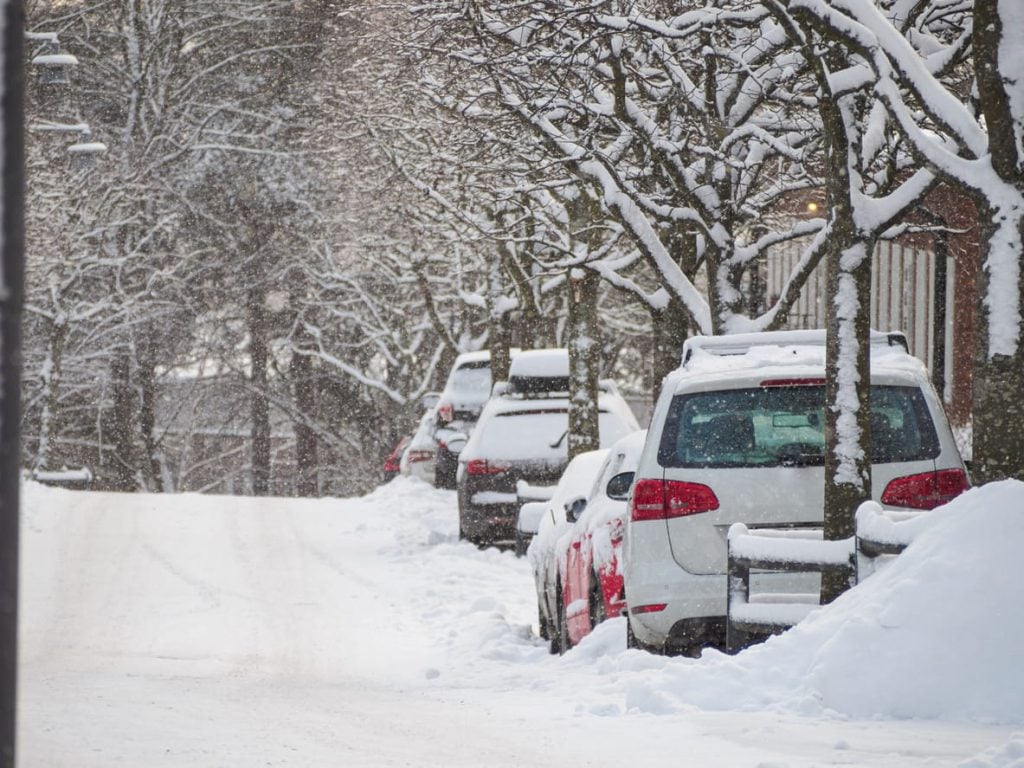
Winter is the cheapest season on most lanes and the least reliable on schedule.
Snow and ice close interstates with little notice, and a loaded car hauler is among the first vehicles to stop moving. High wind restricts tall vehicles on the plains and mountain passes. Lake effect snow off the Great Lakes and sudden ice storms in the South are the two that catch schedules most often.
Road salt is the vehicle-side concern. A winter route across the northern tier means salt spray on the underside for the whole trip, which is the strongest seasonal argument for enclosed transport on anything valuable.
Plan for it: build slack into the schedule, avoid a fixed delivery date you cannot move, and have the battery and coolant checked if the car is heading somewhere genuinely cold.
Spring: The Northbound Return and Storm Season
March and April bring the reverse snowbird flow, and northbound Sun Belt lanes spike in the same way southbound ones did in autumn.
Away from those, mid spring is the second good window before the summer crush begins in May.

The weather factor is severe storms across the plains and the Midwest from roughly March through June, including the corridor where hail is most likely to find an open trailer. Permitted and tall loads do not move in high wind.
Plan for it: if your lane crosses the plains in spring, allow a wider delivery window and consider enclosed if the vehicle would be hurt by hail.
Within a Season, the Week Matters Too
The four-season picture is the big lever, but there is a smaller one worth using if your dates have any give.
The last week of any month is consistently busier than the first, because leases end and property closings cluster there. The weeks either side of Memorial Day, Independence Day and Labor Day tighten sharply on every lane. Late August is the university crush at every campus simultaneously, which pulls capacity out of the general market as well.
Moving a pickup by four or five days around one of those is frequently worth as much as choosing a different month, and it costs nothing to ask which weeks look busiest on your particular route.
The reverse also holds: the first ten days of a month, away from a holiday, is usually the easiest time to get a carrier assigned quickly at a sensible rate.
Which Season Costs Least
Late winter, roughly late January into February, and mid autumn, roughly September into early October, are consistently the cheapest windows on most lanes.
The exception is any Sun Belt lane, where the snowbird pattern overrides the general one: southbound is expensive in autumn, northbound is expensive in spring, and the reverse direction in each of those months is frequently the best value available all year.
That last point is worth using. Carriers running a busy direction need freight for the return leg, and moving against the flow makes you the load they want.
What Does Not Change With Season
Worth stating so the expectation is right. The lane, the distance, the vehicle’s size and weight, and whether it runs are fixed. Season moves the availability side of the equation, which on most routes is where the real variation sits.
And the preparation is the same all year: wash it so existing marks are visible, photograph every panel in daylight including the wheels and lower bumpers, leave about a quarter tank of fuel, empty the cabin and trunk, and inspect against your photographs before signing at delivery. Our guide to shipping in extreme weather covers the seasonal risks in detail.
Common Questions
Which season is cheapest? Late winter and mid autumn on most lanes. On Sun Belt routes the snowbird pattern overrides that.
Which is busiest? Summer, because the moving season and the school calendar collide.
Does winter delay delivery? It can. Road closures and high wind stop haulers, so treat winter delivery dates as ranges.
When is enclosed worth it seasonally? Winter on a salted northern route, and spring on a plains lane where hail is likely.
How do I use the snowbird pattern? Move against the flow. Carriers need freight for the return leg and price it accordingly.
Get a Quote
Call Ship A Car, Inc. at (866) 821-4555 with both zip codes and the widest date range you can offer, or price the move with the instant calculator.