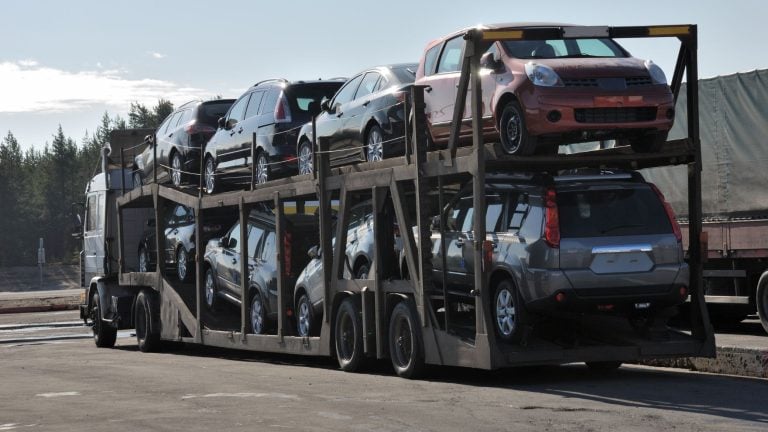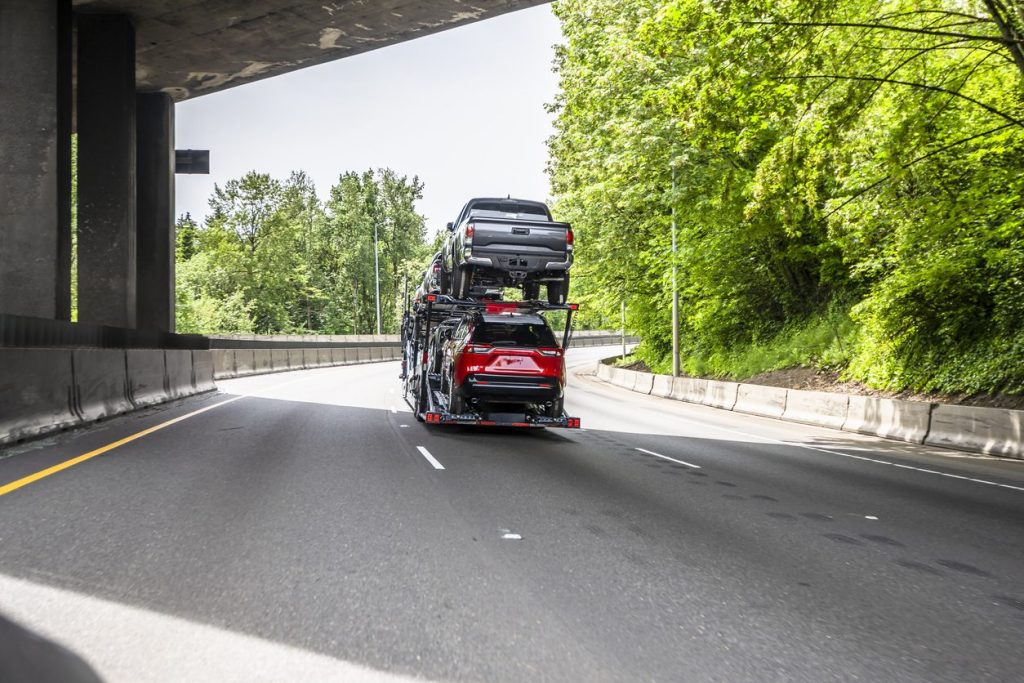
Is Truck Shipping Different Than Car Shipping?
The process is identical and the arithmetic is not, and the reason is simple: a full size pickup takes up the space of roughly one and a half sedans and weighs about twice as much. A hauler is limited by both total weight and physical deck space, so a truck displaces more of the load than a car does. That is where the price difference comes from, and it is why a truck quote that surprises you is usually correct.
The Numbers Behind the Price
A midsize sedan runs around 3,000 to 3,500 pounds and roughly 190 inches long. A full size crew cab pickup runs about 5,000 to 7,000 pounds and can exceed 250 inches, and a heavy duty dually goes further in both directions.
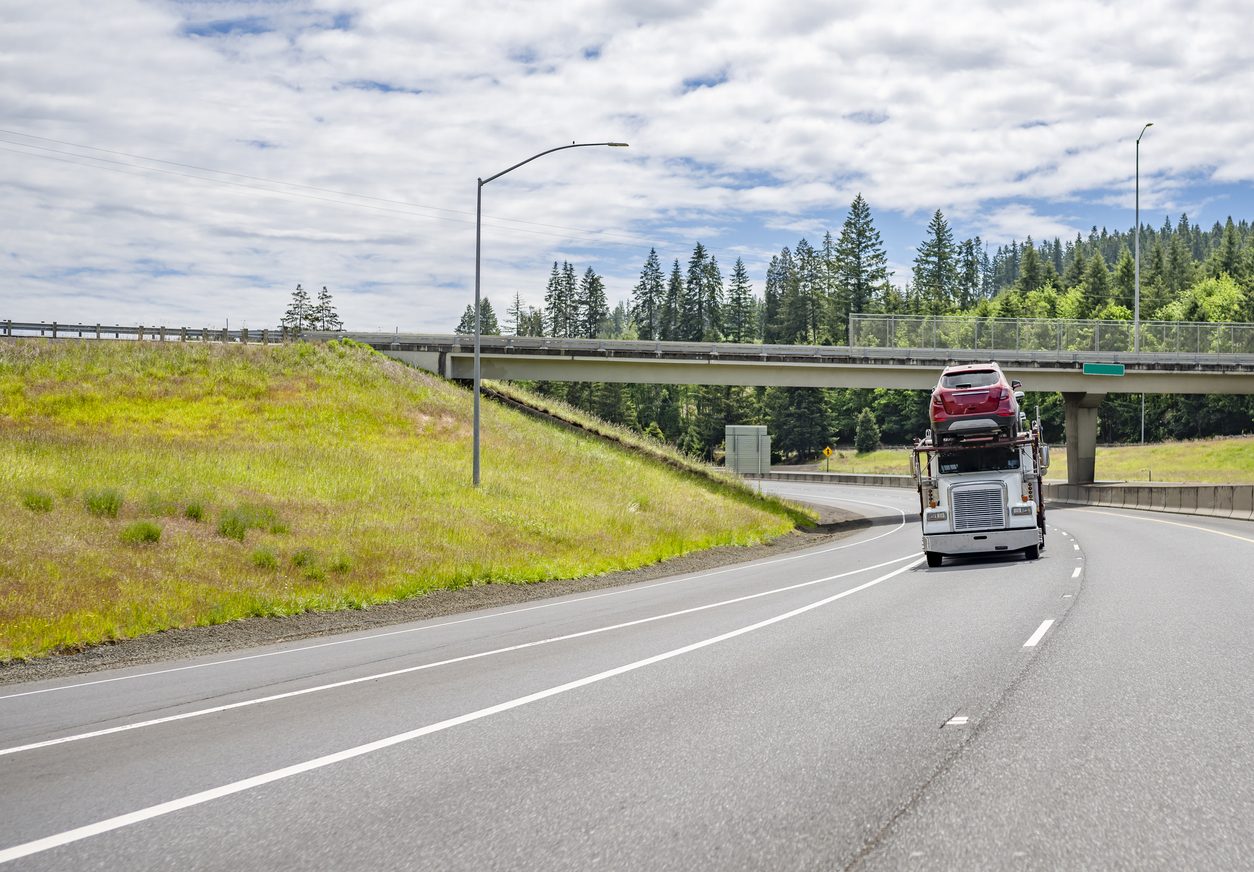
A standard car hauler works to an 80,000 pound gross limit for the whole combination and has a finite number of deck positions. Load ten sedans and the truck is comfortable. Load ten full size pickups and it is over weight long before it is out of space, so a driver carries fewer of them.
Expect a full size truck to price roughly 20 to 40 percent above a sedan on the same lane, and more for a dually or a heavy duty long bed. That is not a surcharge, it is the load economics.
Where It Rides
Height decides the deck, and this is where trucks differ most from cars.
Cars generally travel on the upper deck. A stock full size pickup at around 75 to 80 inches tall usually can too, but the margin is small, and anything that adds height changes the answer: a lift kit, oversized tires, a light bar, a roof rack, a camper shell or a ladder rack.
Once a vehicle is too tall for the upper deck it takes a lower deck position, which is the position a carrier would otherwise use for a taller vehicle anyway, and that reduces what else the driver can load. It also means the truck needs declaring accurately, because a driver who arrives having planned an upper deck slot for a vehicle that does not fit has a problem at the roadside.
Measure a Modified Truck
Trucks are modified far more often than cars, and every common modification affects transport.
A lift kit with larger tires adds height and frequently width. Aftermarket bumpers and a winch add length and weight at the front. A toolbox, a bed rack, a tonneau cover or a camper shell all change the profile. Dual rear wheels add width at exactly the point where a hauler has tight tolerances between deck rails.
Measure the vehicle as it actually stands: ground to the highest fixed point, overall length including any bumper or hitch mounted accessory, and width at the mirrors and at the rear tires. Give those figures when you book rather than the manufacturer’s specification for a stock truck.
Remove what comes off easily. A hitch mounted carrier or bike rack adds two to three feet at exactly the wrong point and fouls the tie down positions. Take it off and put it in the bed.
Empty the Bed
The single most common issue with pickup shipments, and the easiest to avoid.
Personal items are not covered by cargo insurance regardless of where in the vehicle they sit, and an open bed is worse than a trunk: contents are exposed to weather and to the road, they add weight the carrier has not accounted for, and anything loose can leave the vehicle at highway speed and become somebody else’s problem.
Empty the bed completely. Secure or remove the tonneau cover, since a partially fastened cover at 65 miles an hour tears off. If a toolbox is bolted in and staying, say so, and empty it.
Commercial Trucks Are a Different Service
Everything above concerns pickups. Once a vehicle is genuinely commercial, it stops being a car hauler job.
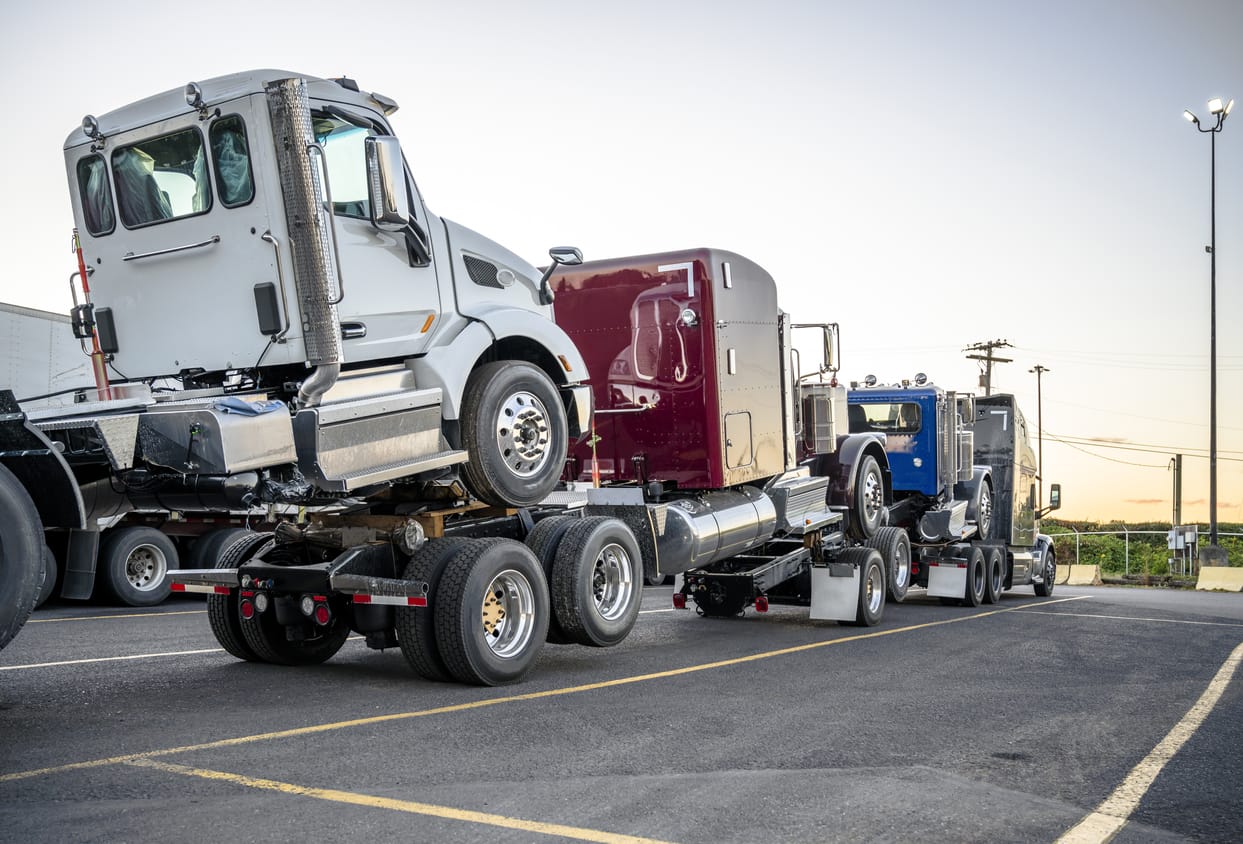
Box trucks, dump trucks, tractors, buses and heavy equipment move by different methods: on a flatbed, step deck or lowboy, or by a drive away service where a qualified driver operates the vehicle to its destination. Which applies depends on the size, whether the vehicle is operable, and whether it is road legal and registered.
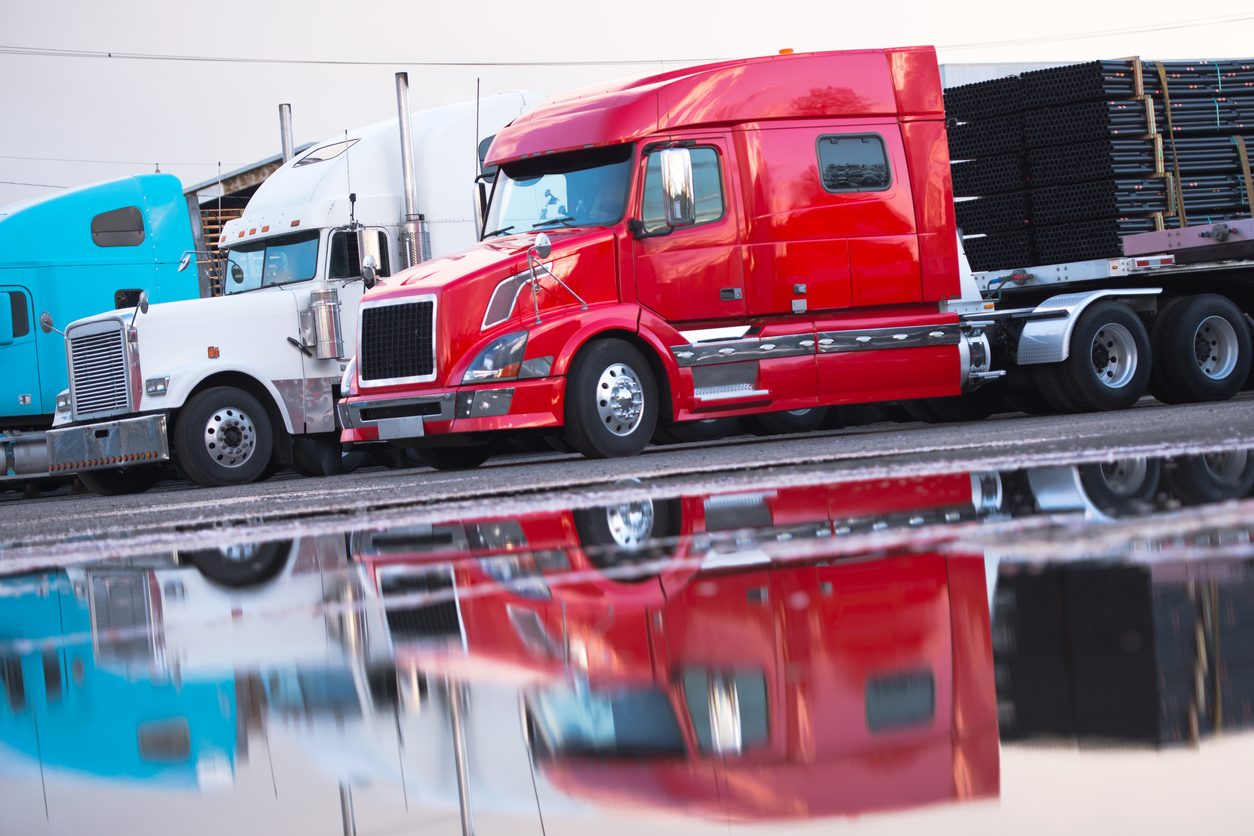
These moves also run into permit territory quickly. Legal limits are 8 feet 6 inches wide and 13 feet 6 inches high measured from the road, and a commercial vehicle on a trailer deck reaches the height limit easily. If your vehicle is in this category, say so at the first conversation so it is quoted as freight rather than as a car.
What Stays the Same
Most of the process does not change, which is worth saying plainly.
Open transport carries the overwhelming majority of both. Enclosed is available for both and costs about a third more, earning it on a show truck, a restored classic or a vehicle with a wrap or fresh paintwork.
Transit times are the same, because the truck drives at the same speed regardless of what is on it. Insurance works the same way, through the carrier’s cargo policy. The bill of lading, the condition report and the inspection at delivery are identical. Our guide to open and enclosed carriers applies to both equally.
Preparing a Truck
Wash it so existing marks are visible, then photograph every panel in daylight, including the wheels, the lower bumpers and the rocker panels. On a truck, photograph the bed and the tailgate as well, since those are what get marked and what nobody documents.
Leave about a quarter tank of fuel. Empty the cab and the bed, fold the mirrors, disable a motion sensitive alarm and hand over a key. If the truck is lifted, tell the driver how it behaves on a ramp.
At delivery, inspect before signing. Compare against your photographs, check the lower bumpers, wheels and rocker panels first, and note anything unexpected on the bill of lading while the driver is present.
Common Questions
Does a truck cost more to ship than a car? Yes, typically 20 to 40 percent more on the same lane, because it uses more weight and more deck space.
Why does the weight matter if it fits? A hauler is limited to 80,000 pounds gross for the combination. Heavy vehicles run the truck out of weight before it runs out of space.
Does a lifted truck cost more? Usually. Added height can move it off the upper deck, which reduces what else the carrier can load. Measure it and declare it.
Can I leave things in the bed? No. Personal items are not covered, they add weight, and anything loose can leave the vehicle at speed.
What about a box truck or a dump truck? That is a freight move on a flatbed, step deck or lowboy, or a drive away service, and it is quoted differently from the start.
Get a Quote
Call Ship A Car, Inc. at (866) 821-4555 with the year, make and model, the measured height if it is lifted, and both zip codes, or request an estimate for the move through the quote calculator.