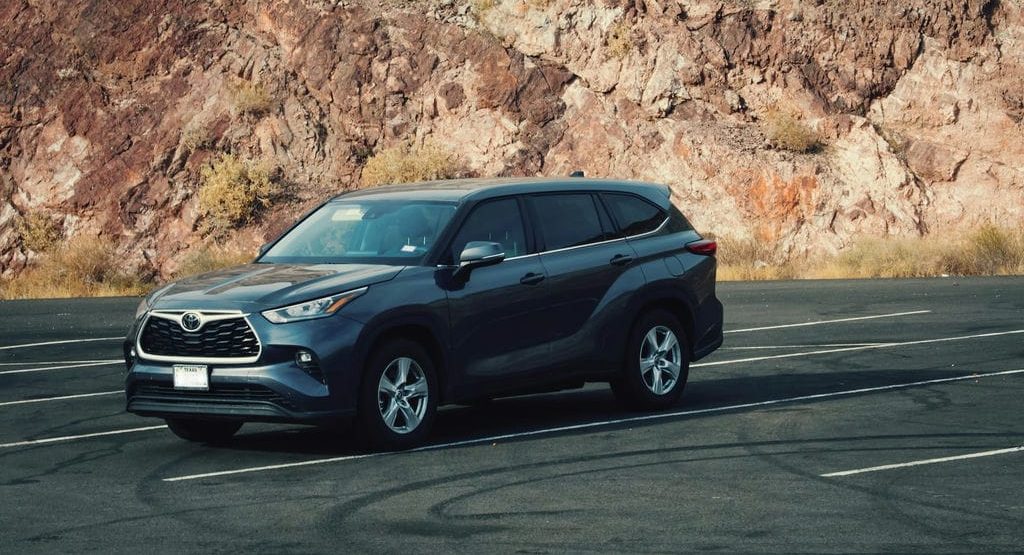
How to Ship a Toyota Highlander
The Highlander is a mid size three-row SUV, and that middle row of size is exactly what determines the price: it takes more deck space and weight than a compact crossover and less than a full size SUV. Nothing about it needs special equipment. Give the right year and drivetrain and the quote should land in a predictable range.
Where It Sits on a Trailer
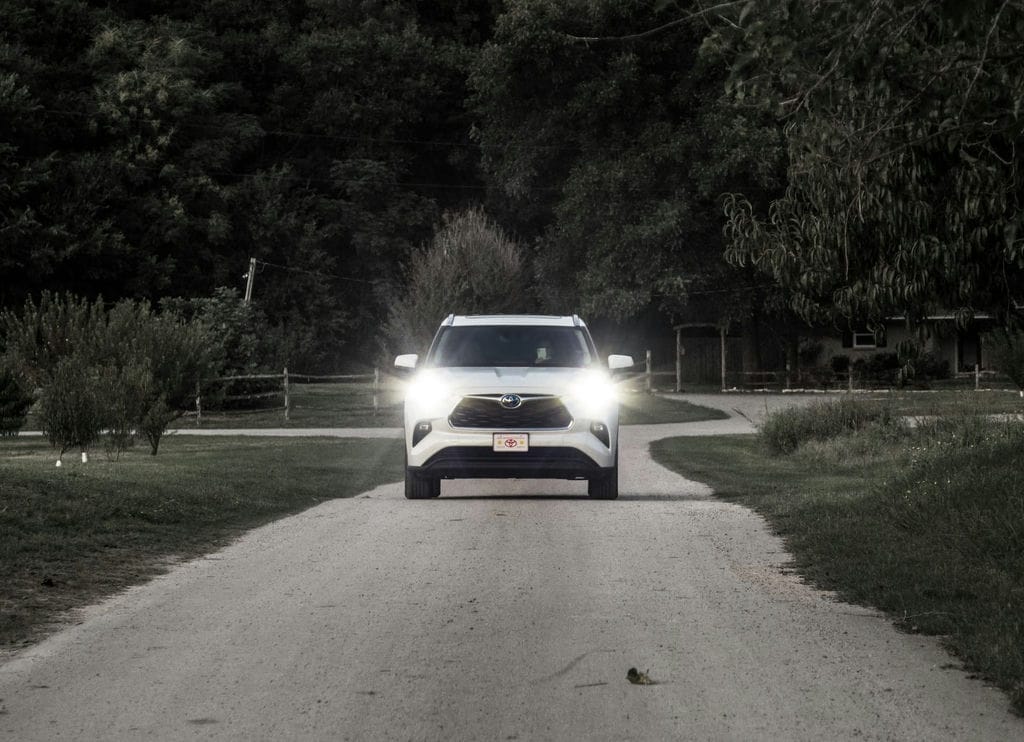
A Highlander runs roughly 4,100 to 4,600 pounds depending on generation, drivetrain and whether it is the hybrid, is around 16 feet long and a little over 5 feet 8 inches tall.
That puts it comfortably in the middle of the range. It prices above a Camry or a RAV4 and below a Sequoia or a full size pickup, and it loads on any deck position on a standard open trailer.
Hybrids weigh somewhat more. It is immaterial at this size, but say which one you have so the figure is right from the start.
All wheel drive is common on the Highlander and entirely routine for transport. The vehicle is carried rather than towed, so the drivetrain is doing nothing and nothing needs disconnecting.
What Actually Changes the Price
Since the vehicle is not the variable, everything else is.
The lane. How much carrier traffic already runs your route matters more than the mileage.
Timing. A range of pickup days is the single most valuable thing you can offer, and summer is the busiest season because the moving season and the school calendar collide.
Access at both ends. A loaded hauler is around 75 feet long and 13 feet 6 inches tall. A narrow street with low branches means a meeting point at a large lot near a highway, which is normal and worth agreeing when you book.
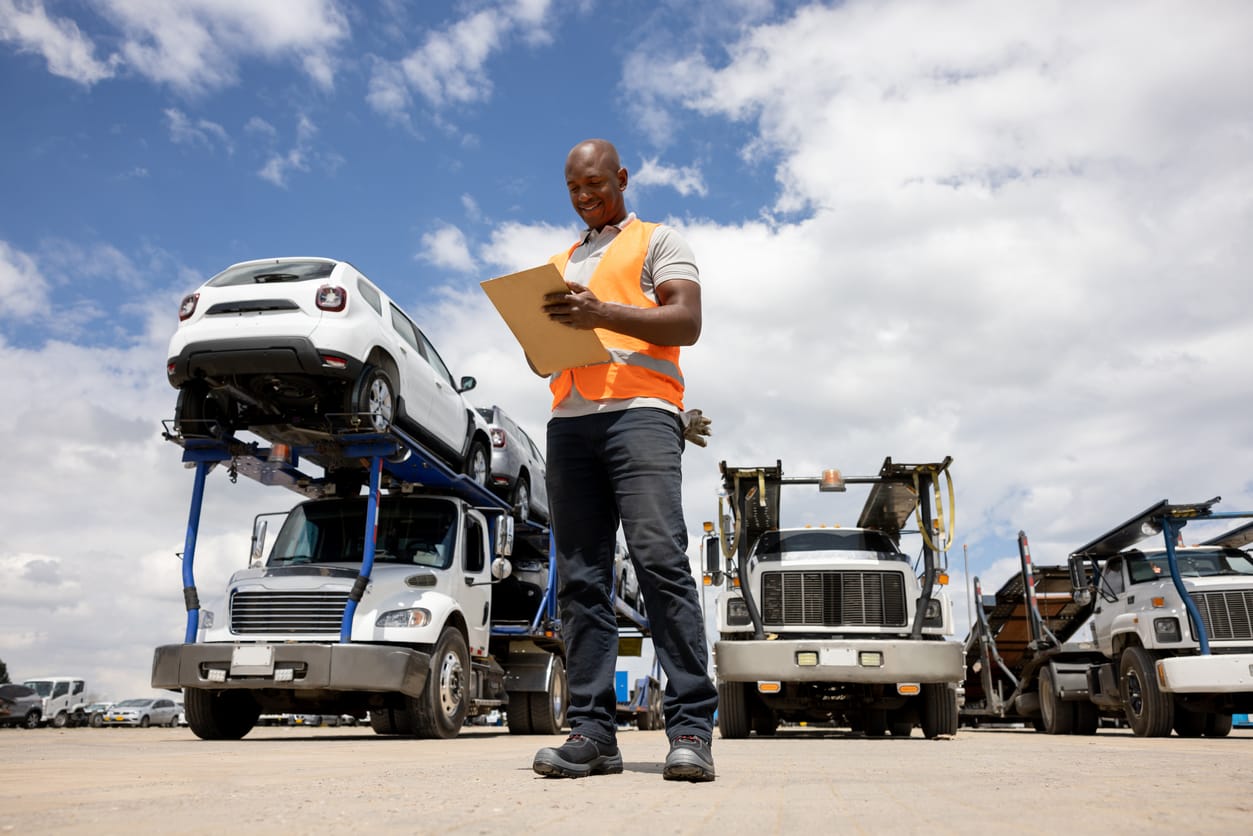
Open or enclosed. Enclosed costs about a third more and is unnecessary for an ordinary Highlander. It makes sense on a nearly new example or one with fresh paintwork.
Whether it runs. An inoperable vehicle needs a winch and a carrier equipped for it. Say so up front.
The Family-SUV Specifics
Two things that come up on this vehicle more than most.
Roof racks and cargo boxes. The Highlander is a family vehicle and a large share carry a rack, a box or a bike carrier. Anything on the roof adds height at exactly the point where deck clearance is tightest on a two level trailer, and a cargo box is easy to catch. Take it off. Factory crossbars can stay; just give the measured height.
What accumulates inside. Three-row family SUVs collect things: car seats, sports equipment, folding chairs, and whatever is under the third row. Personal items are not covered by cargo insurance, they add weight and they move around in transit. Empty it completely, including the compartments under the load floor.
Car seats specifically are worth mentioning. Take them out rather than leaving them installed. They are not covered, and a loose or partly secured seat sliding around is a genuine nuisance.
Preparing It
Wash it so existing marks are visible, then photograph every panel in daylight, including the wheels, the lower bumpers and the rocker panels, which are what loading marks. Photograph the odometer.
Leave about a quarter tank of fuel. More is unnecessary weight; less risks the vehicle not making it to a station after delivery.
Fold the mirrors, disable a motion sensitive alarm, and remove a toll transponder so you are not billed for the truck’s route. Check tire pressures and note any fluid leaks.
If the vehicle has a power liftgate with an automatic open function, make sure it is switched off or the key is not left where it can trigger it.
At Pickup and Delivery
Walk around the vehicle with the driver at pickup rather than handing over the keys and going inside. The condition report on the bill of lading is written then, and it is the document that settles any later dispute. If you disagree with something on it, say so before it is signed.
At delivery, inspect before signing, in daylight if at all possible, and compare against your photographs. Look at the lower bodywork, the wheels, the rear bumper and the areas around the tie-down points first, since that is where transport damage appears.
Note anything unexpected on the paperwork while the driver is still present. If it arrives after dark or in heavy rain, write that a full inspection was not possible before you sign. Our guide to what car shipping insurance actually covers explains the cargo policy.
Moving With a Family Versus Shipping One Car
A Highlander is frequently the second vehicle in a household relocation rather than a standalone shipment, and that changes the arithmetic in a way worth knowing.
Two vehicles on the same lane is a genuinely better load for a carrier than one, and the per-vehicle price should reflect that. Say at the start that you are shipping two rather than adding the second later, because a carrier planning for two from the outset can position the trailer for it.
The more common family question is whether to ship both or drive one. Driving one across the country costs fuel, lodging, meals and several days, and it splits the household across two vehicles for the duration. Shipping both and flying is frequently comparable in total cost once those are counted honestly, and it puts everyone at the destination on the same day.
Where one car has to be driven, it is usually worth shipping the one with more miles on it and driving the newer one, rather than the reverse.
Transit Times
Once collected, plan on one to two days regionally, three to five across half the country, and five to seven coast to coast, plus a few days for a carrier to be assigned beforehand.
Treat a delivery date as a range rather than an appointment. Drivers work under federal hours of service limits and a hauler making several stops does not travel in a straight line.
Common Questions
Is a Highlander expensive to ship? It sits in the middle: above a compact crossover, below a full size SUV or pickup, for the same lane.
Do I need to remove the roof box? Yes, along with bike carriers. Factory crossbars can stay; give the measured height.
Should I leave the car seats in? No. Take them out. They are not covered by cargo insurance and they move in transit.
Does all wheel drive matter? No. The vehicle is carried rather than towed.
Do I need enclosed transport? Only for a nearly new example or fresh paintwork. Open is what almost everybody uses.
Get a Quote
Call Ship A Car, Inc. at (866) 821-4555 with both zip codes, the model year and your date range, or request an estimate for the move through the quote calculator.