Road, Rail and Sea: How Vehicles Actually Move in the US
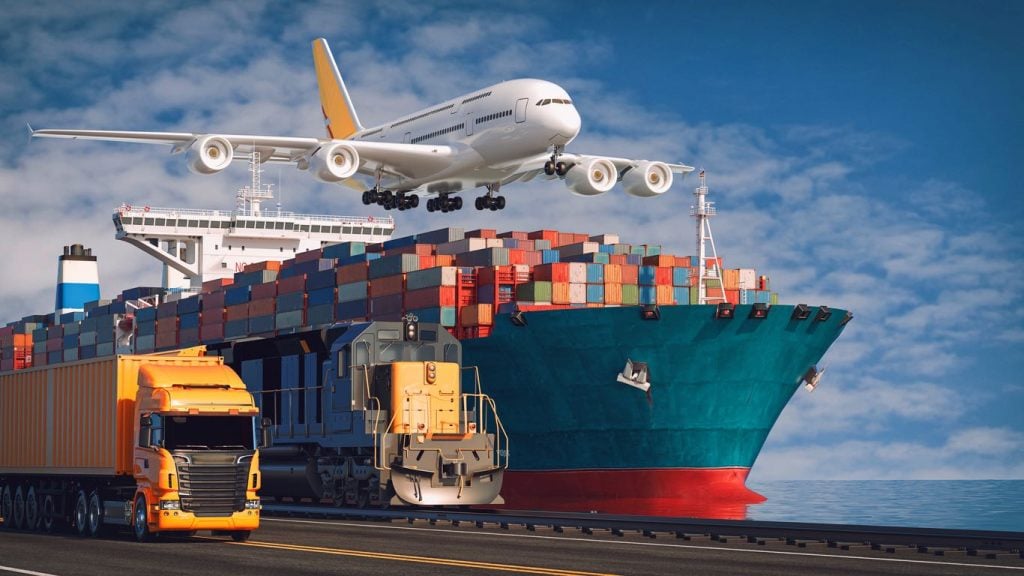
All three modes carry vehicles, but only one of them is available to you. Rail moves an enormous number of cars in this country and almost none of them belong to private individuals. Sea handles the islands and anything leaving the continent. For a consumer shipping a car between two addresses, the answer is road, every time, and it is worth understanding why rather than assuming a cheaper option is being kept from you. Here is what each mode genuinely does, and the one rail service you can actually book.
The Three Modes at a Glance
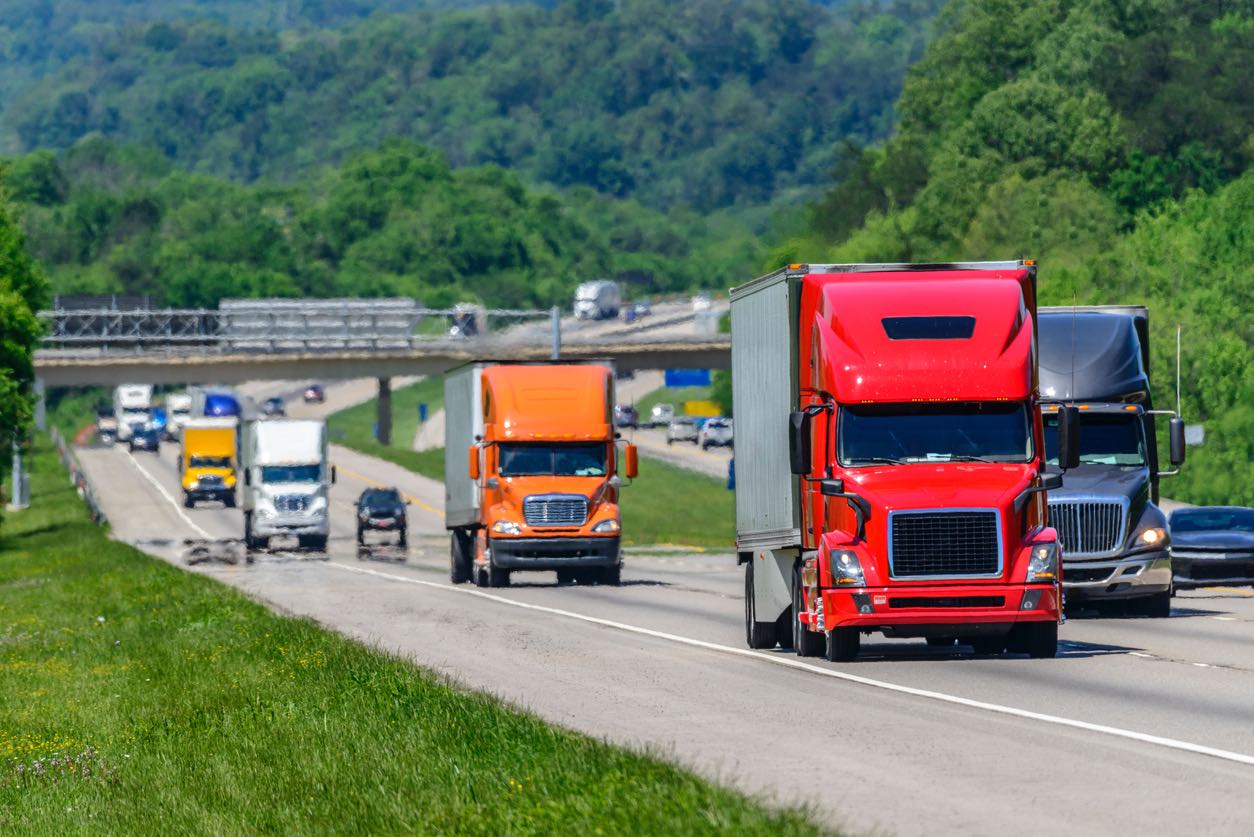
Road: Why It Is the Default
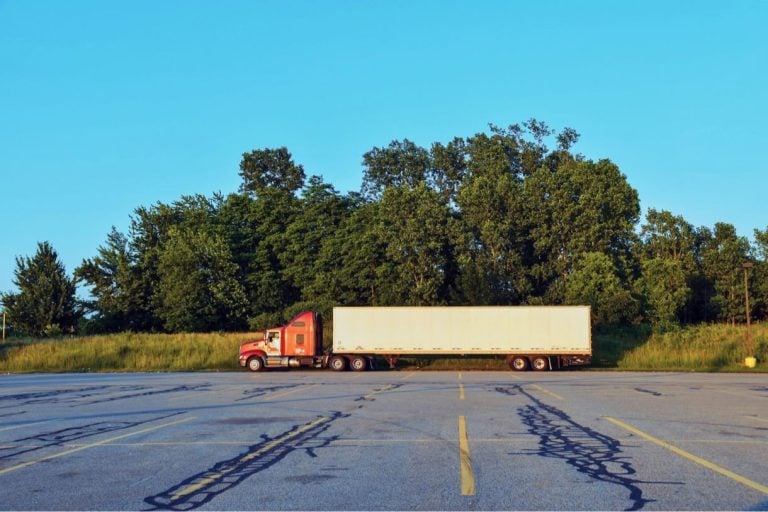
A car carrier collects at one address and delivers to another. There is no terminal, no transfer between operators, and no handling beyond loading and unloading once at each end. The vehicle is touched twice.
That is the entire advantage and it is a large one. Every additional handoff is a chance for damage and a place where a schedule can slip, so a mode that moves your car from a driveway in one state to a driveway in another with two handling events is hard to beat for a single vehicle.
It is also flexible in a way fixed infrastructure cannot be. A truck can reach anywhere with a road, adjust to your dates, and reroute around weather. Rail goes where the rails go, on the railroad’s timetable.
Rail: Enormous Volume, Almost No Consumer Access
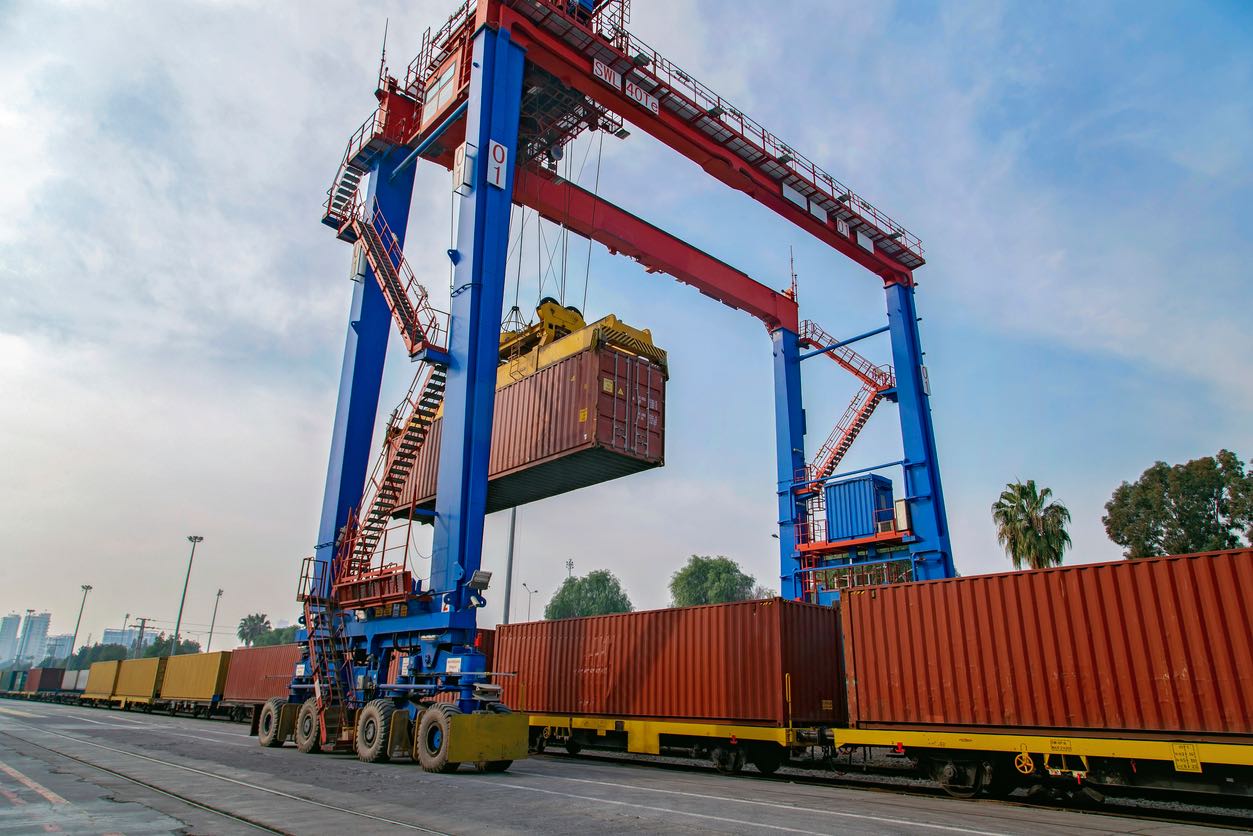
Rail is genuinely excellent at what it does. Purpose built autorack cars carry roughly ten to fifteen vehicles each, a train can move several hundred at once, and the fuel cost per vehicle mile is a fraction of trucking. For a manufacturer moving a plant’s output, nothing competes.
The reason you cannot use it comes down to three things.
There is no retail counter. Railroads contract with manufacturers and large fleets for volume. A single privately owned car is not a shipment they are set up to accept.
It is terminal to terminal by definition. Even if you could book it, the car would have to be trucked to a rail terminal and trucked away at the other end, which reintroduces the road legs plus two extra handling events and terminal time. For most distances that costs more in total and takes longer.
The schedule is not yours. Autoracks move when a train is built and routed, and a car can sit at a terminal waiting. Manufacturers plan around that. Someone relocating in three weeks cannot.
The One Rail Option You Can Actually Book
There is a genuine exception worth knowing about: Amtrak’s Auto Train, which runs between Lorton, Virginia, just outside Washington DC, and Sanford, Florida, near Orlando.
You travel on the train and your vehicle travels with you, loaded into an enclosed autorack. It runs that one route only, it is a single overnight service, and you have to be on it. That makes it a travel choice rather than a shipping choice, and it works well for exactly one journey: a snowbird moving between the mid Atlantic and central Florida who wants to arrive with their own car and without driving I-95.
If either end of your trip is somewhere other than those two terminals, or you are not traveling with the car, it does not apply. For everything else on that corridor, road transport is the practical option.
Sea: Islands, and Off the Continent
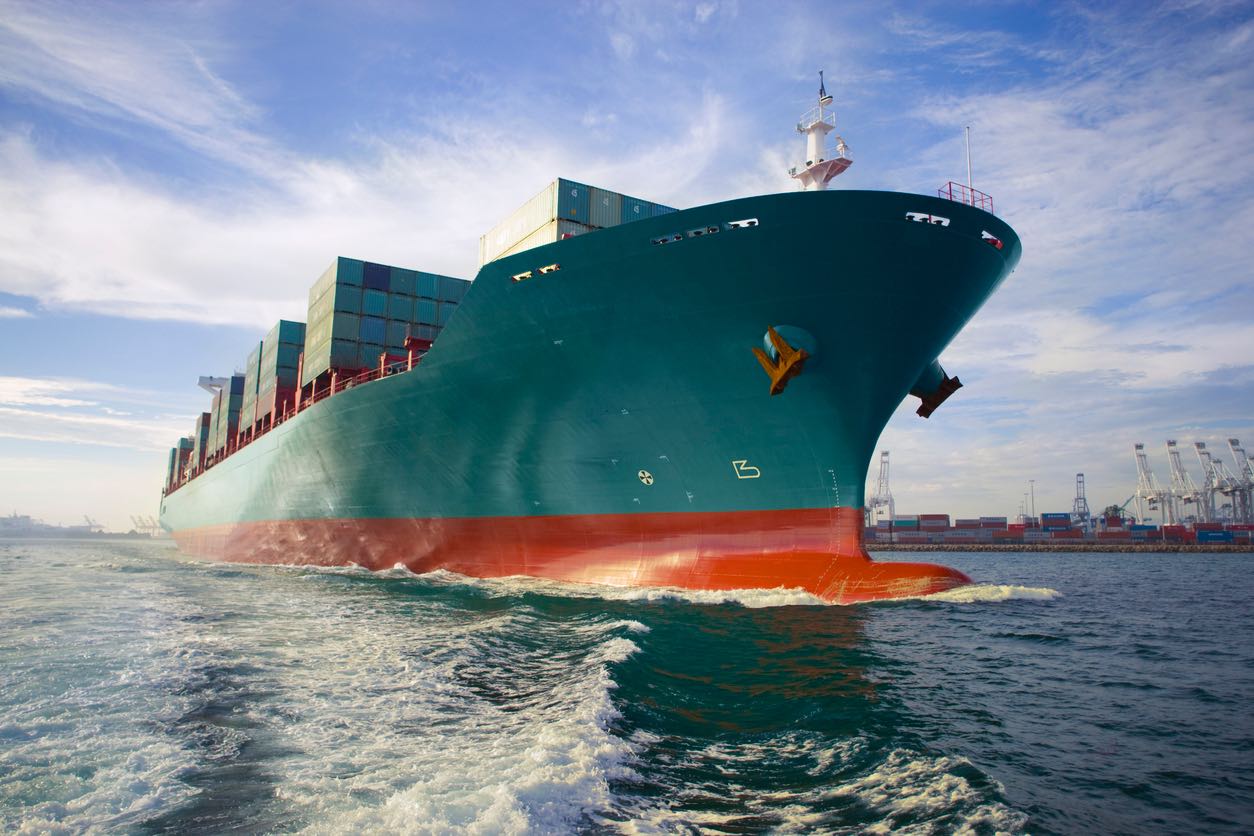
Water carries any vehicle that has to leave the road network: Hawaii, Alaska, Puerto Rico and anywhere overseas. It is not an alternative to trucking so much as an addition to it, since the car is trucked to a port at one end and usually away from one at the other.
Sea moves run on fixed sailing schedules rather than driving hours, are priced on measured volume rather than mileage, and require the vehicle to be completely empty by federal rule. Our guide to shipping a vehicle by sea covers how that leg works.
How a New Car Actually Reaches a Dealership
The modes are not competitors so much as a relay, and the journey of a new vehicle shows it clearly.
A car built in the United States typically leaves the plant by rail, traveling in bulk to a regional distribution center, and completes the final leg on a truck to the dealership. An imported car arrives by sea at a port, moves inland by rail, and again finishes by truck.
Notice that every one of those journeys ends on a road carrier, which is the same equipment that would move your car. The last mile is always trucking, because it is the only mode that reaches a specific address.
What This Means For Your Car
If you are moving a vehicle between two addresses in the continental United States, road transport is not a compromise or the expensive option. It is the mode built for the job, and the one every other mode hands off to.
If your car is going to Hawaii, Alaska or overseas, you will use sea for the middle and road at both ends, arranged as one booking. And if you happen to be traveling between northern Virginia and central Florida yourself, the Auto Train is worth a look.
Common Questions
Can I ship my car by train? Not as an individual shipment. Railroads contract with manufacturers and fleets. The exception is Amtrak’s Auto Train, where you travel with the vehicle.
Would rail be cheaper? Not for one car. Once you add trucking to and from terminals plus terminal handling, it usually costs more and takes longer.
Why do new cars travel by rail then? Volume. Hundreds at a time from a plant to a distribution center, then trucks for the final leg.
When is sea used? Hawaii, Alaska, Puerto Rico and international moves, always combined with a road leg.
What is the Auto Train? An Amtrak service between Lorton, Virginia and Sanford, Florida carrying passengers and their vehicles on the same train.
Get a Quote
Call Ship A Car, Inc. at (866) 821-4555 with both addresses and we will tell you which modes your move actually needs, or price the road portion with the quote calculator.