Shipping a Car From Austin, Texas
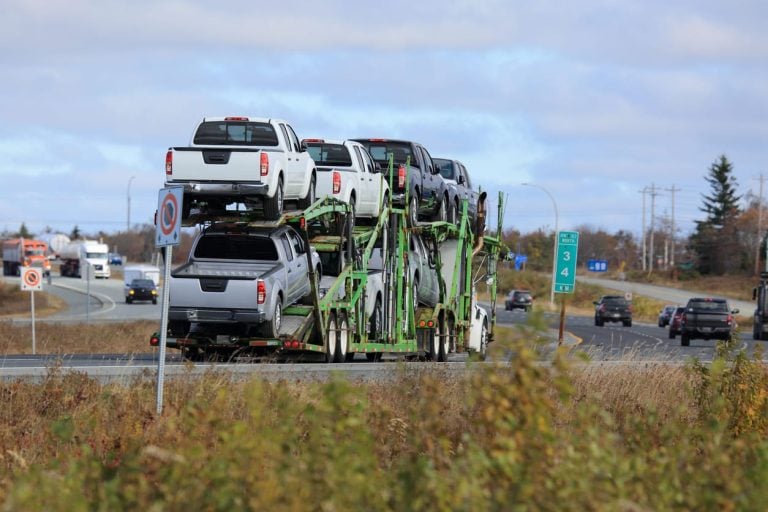
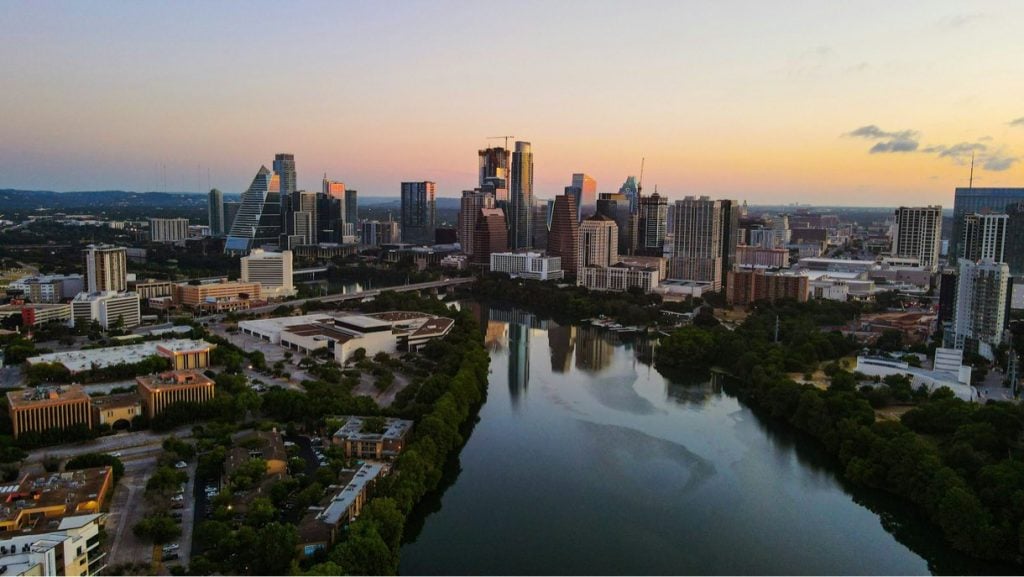
Austin sits directly on Interstate 35, which is one of the busiest freight corridors in the country, and that single fact makes it one of the easier places in Texas to ship a vehicle from. Carriers pass constantly heading north to Dallas and south to San Antonio and the border. What needs planning is the city’s traffic and the fact that Austin has grown faster than its road network.
Why Carrier Availability Is Good
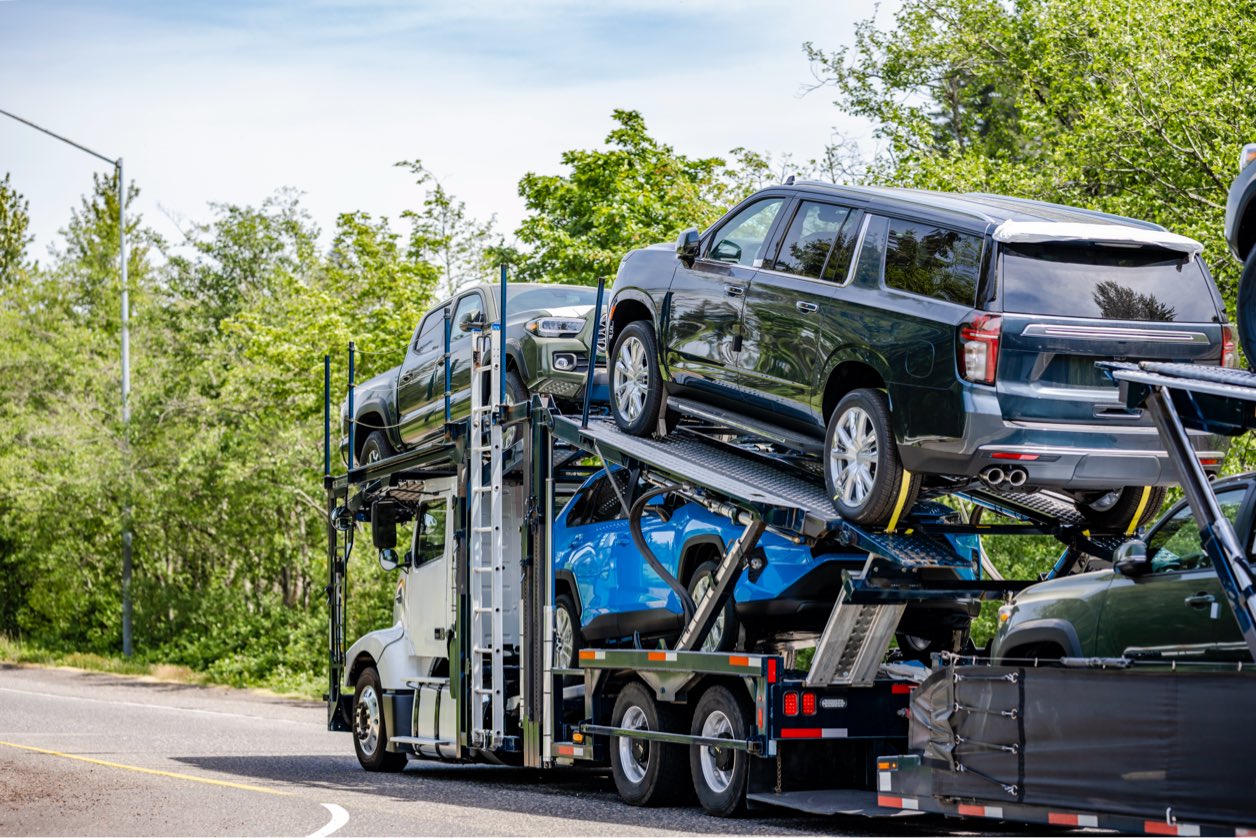
Interstate 35 runs the length of central Texas from the Oklahoma line through Dallas, Waco, Austin and San Antonio to Laredo. Highway 290 runs east toward Houston, Highway 71 southeast toward the coast, and Highway 183 and the toll roads ring the metro.
The result is that an Austin vehicle joins a route that already exists. Ordinary pickups are usually assigned within a few days, and lanes to Dallas, Houston and San Antonio are short, busy and inexpensive.
Longer runs east on Interstate 10 through Houston, or west toward Arizona and California, are ordinary interstate work of two to four days in transit.
Traffic Shapes the Handover
Austin’s congestion is genuinely a factor for a 75 foot vehicle, and it is worth planning around rather than discovering.
I-35 through central Austin is among the most congested stretches in the state, and a driver will avoid it at peak hours if they possibly can. That means handover times matter here more than in most cities: an early morning or mid-morning slot is easier for everybody and improves the chance of the pickup happening when it was promised.
Central Austin neighborhoods, particularly the older ones east and south of downtown, have narrow streets with mature trees and limited turning room. Downtown itself is impractical during business hours.
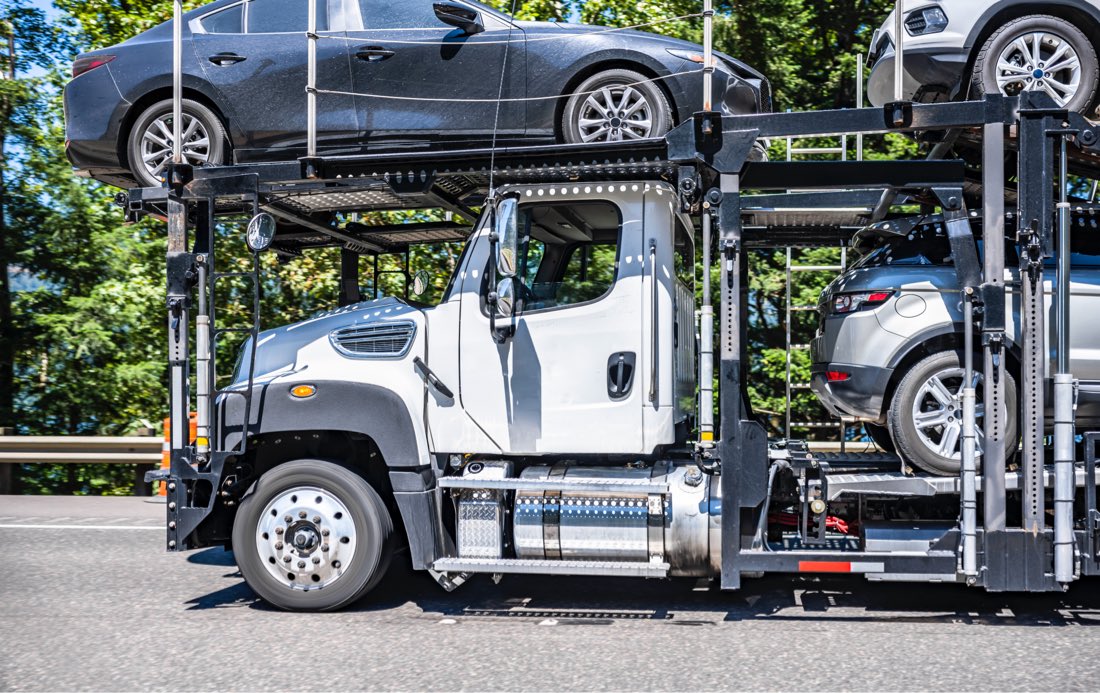
The suburbs, Round Rock, Cedar Park, Pflugerville, Kyle and Buda, are straightforward, with room to work and easy freeway access. That is where most handovers happen even for customers who live closer in.
Why So Many Cars Leave Austin
Austin has been one of the fastest growing metros in the country, and that shows up in vehicle transport as heavy traffic in both directions rather than only inbound.
Corporate relocation drives most of it. Technology and semiconductor employers move people in continuously, and a household relocating for a start date is the case where a delivery window genuinely has to hold. Those moves run year round rather than seasonally.
The outbound flow is newer and growing, as people who arrived during the boom move on to other markets. California, Colorado, the Pacific Northwest and the Southeast are the common destinations, and all of them are well served lanes from here.
The practical effect is that Austin is not a one-directional market the way some cities are, so rates are reasonably balanced in both directions rather than cheap one way and expensive the other.
The University Calendar
The University of Texas generates a real seasonal pattern that affects the whole city.
Move-in from mid August into early September and move-out in May both concentrate vehicle movement into a fortnight, and they collide with an already busy summer market. Traffic around campus and the surrounding neighborhoods is worse in those weeks, which compounds the access problem.
Book three to four weeks ahead if your move falls in either window, and give a range of pickup days rather than a single date.
Texas Heat
Austin summers are long and severe, and it affects the vehicle rather than the schedule.
A car on an open upper deck sits in full sun for the whole trip, and interior temperatures become extreme. Remove anything that can melt, warp or burst. Check tire pressures before a summer move, since heat raises them, and make sure the coolant is at the right concentration.
Drivers avoid loading and unloading in the worst of the afternoon heat where they can, which occasionally shifts a handover earlier in the day.
Open or Enclosed
Open transport carries the overwhelming majority of vehicles here and is right for an ordinary car.
Enclosed costs about a third more and is worth it on a collector vehicle, fresh paintwork or a wrap. In this climate it has an additional argument: it keeps a car out of prolonged Texas sun, which is hard on paint, dashboards and trim over several days on an open deck.
Preparing the Car
Wash it so existing marks are visible, then photograph every panel in daylight, including the wheels, the lower bumpers and the rocker panels, which are what loading marks. Photograph the odometer.

Leave about a quarter tank of fuel. Empty the cabin and the trunk, since personal items are not covered by cargo insurance and they add weight. Fold the mirrors, disable a motion sensitive alarm and hand over a physical key.
Remove the toll transponder. Austin has extensive toll roads and a transponder riding in a car on a truck will be read and billed to your account.
At delivery, inspect before signing and note anything unexpected on the bill of lading while the driver is present. Our Texas car shipping page covers the state more broadly.
Common Questions
How quickly can a carrier collect in Austin? Usually within a few days. Interstate 35 carries constant freight traffic through the city.
Can a truck reach my address? In the suburbs, generally yes. Central and east Austin streets and downtown usually need a meeting point.
Does traffic really matter? Yes. I-35 through central Austin is heavily congested, so an early morning handover is easier and more reliable.
When is the busiest time? Summer generally, and the university move-in and move-out fortnights in particular.
Do I need to remove the toll transponder? Yes. Austin has extensive toll roads and it will be read on the truck’s route and billed to you.
Get a Quote
Call Ship A Car, Inc. at (866) 821-4555 with both zip codes, your date range and where the driver can meet you, or request an estimate for the move through the quote calculator.