The Differences Between Flatbed and Enclosed Car Shipping
Most people comparing these two are really comparing three things, and conflating them is why the quotes come back confusing. Open multi-car hauling, single-vehicle flatbed, and enclosed transport are separate services with different equipment, different prices and different reasons to choose them. Sorting out which one you actually need takes about a minute.
The Three Services
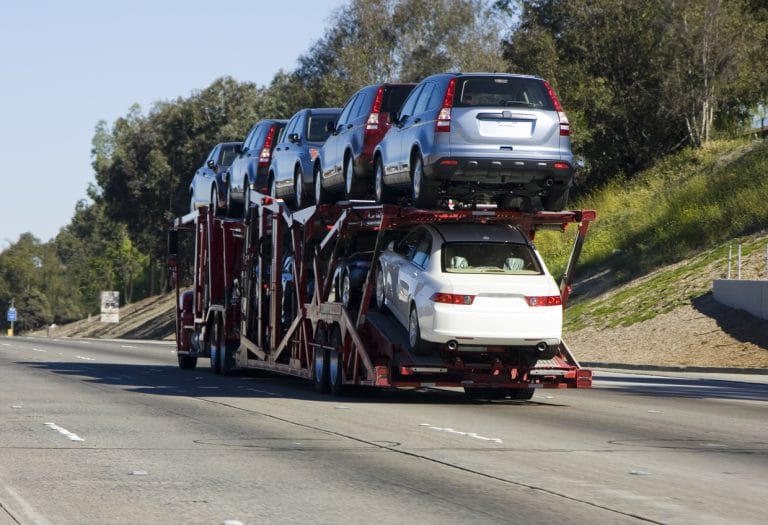
Open multi-car hauling is the standard: a two level trailer carrying seven to ten vehicles, exposed to the weather. It is what the overwhelming majority of cars travel on and it is the cheapest option because the cost is shared across every vehicle on the deck.
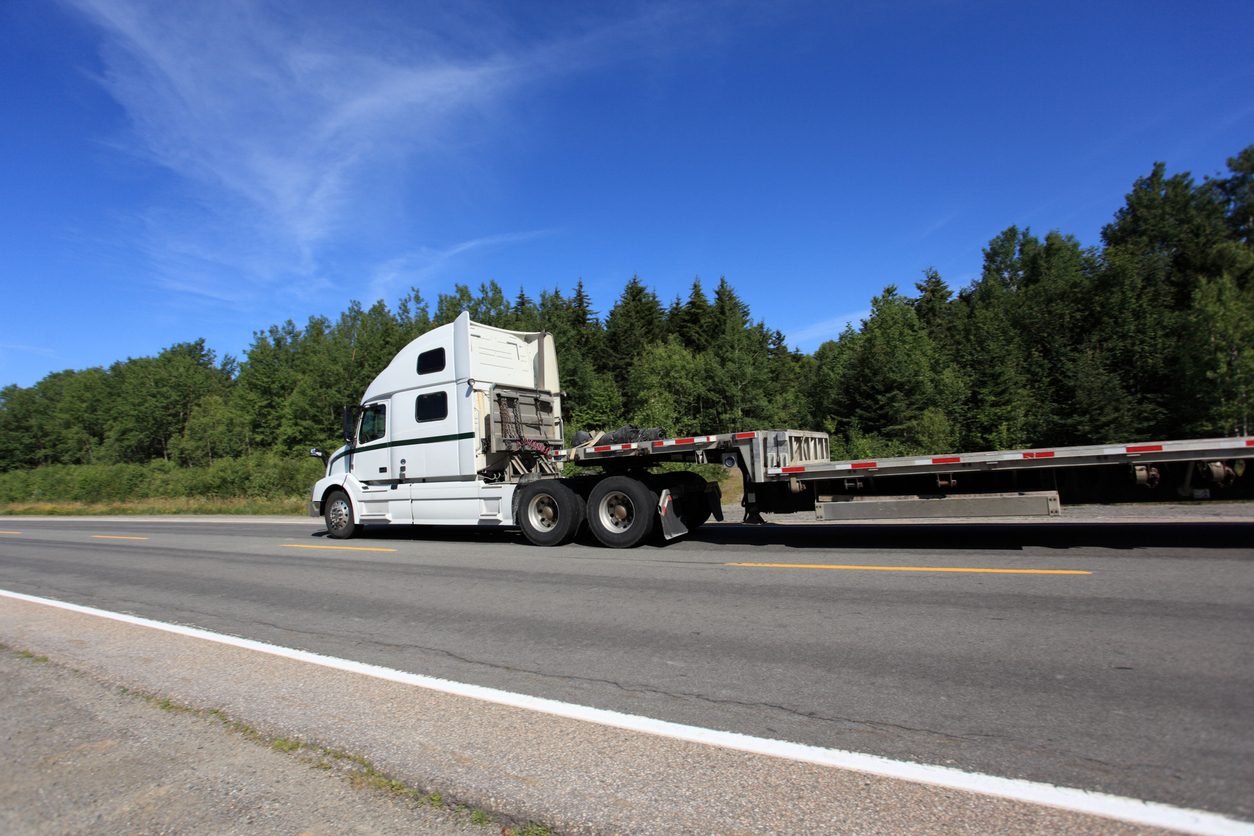
Flatbed in auto transport usually means a single vehicle on a flat deck, either a dedicated flatbed trailer or a tow-truck style rollback. It carries one car rather than ten, so it costs considerably more per vehicle than open hauling, and it is chosen for a specific reason rather than as a default.
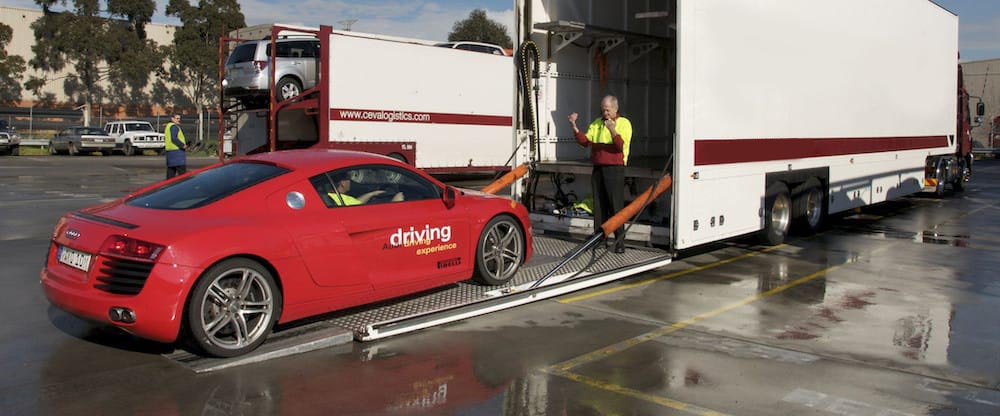
Enclosed is a covered trailer, hard sided, carrying one to six vehicles depending on configuration. It costs about a third more than open hauling and it is the protection option.
The common confusion is treating flatbed as the cheap option and enclosed as the expensive one. In practice open hauling is the cheap option, and flatbed and enclosed are both premium services chosen for different reasons.
When Flatbed Is Actually the Answer
Four situations, and none of them is about protecting the paint.
The vehicle does not fit a standard hauler. A lifted truck, an extended cab dually, a vehicle with a permanent roof structure, or anything unusually long or tall may simply not go on a two level trailer. A flat deck has no upper deck to clear.
It does not run. An inoperable vehicle needs winching, and a rollback or flatbed with a winch is the straightforward way to load one.
It is being moved a short distance urgently. A single-vehicle flatbed can be dispatched today and go directly. A multi-car hauler runs on a route with other vehicles on it.
Access is impossible for a big trailer. A flatbed is far shorter than a 75 foot combination and can reach places a hauler cannot.
When Enclosed Is Worth the Difference
Enclosed is about what the vehicle is exposed to, and the honest list is shorter than the marketing suggests.
It removes road debris, rain, grit, hail and sustained sun for the whole journey. It removes road salt on a winter route, which is the exposure most likely to cause lasting harm. And it keeps the vehicle out of sight, which matters for a genuinely valuable car.
The cases where that is worth about a third more: a collector or classic car, a vehicle with fresh paintwork or a wrap, a convertible with a fabric top, a low car where ground clearance makes loading delicate, and any vehicle worth enough that a repaint would be a meaningful fraction of its value.
Enclosed carriers also generally carry higher cargo insurance limits, because the vehicles they move are worth more. On an expensive car that is a second reason rather than an afterthought.
What Enclosed Does Not Do
Worth being straight about, because it is oversold.
It does not make loading damage impossible. Most transport damage happens during loading and unloading, not in transit, and that risk is the same regardless of the trailer. Careful ramps and an experienced driver matter more than the roof.
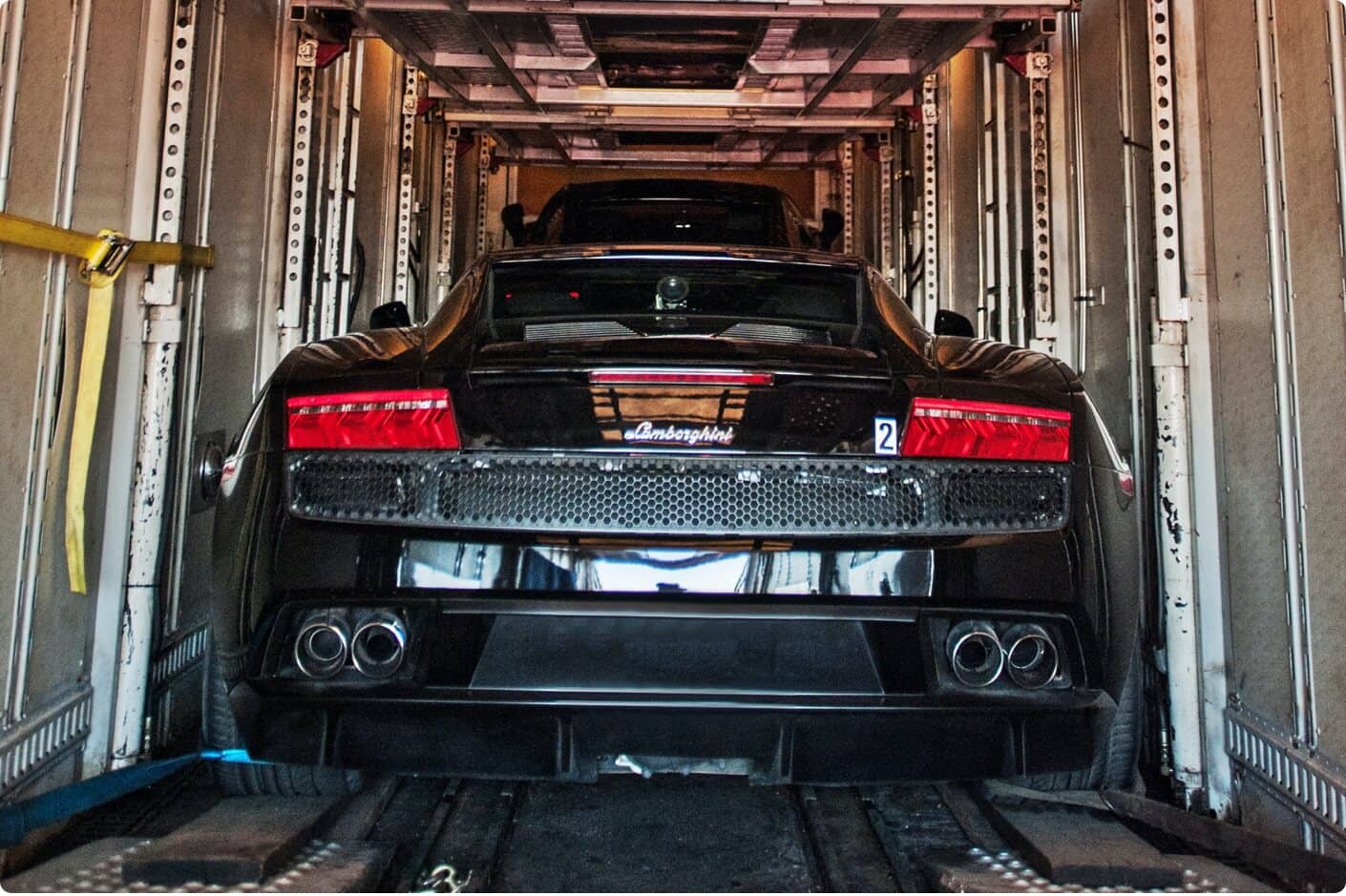
It does not guarantee faster delivery. There are fewer enclosed carriers, so on some lanes an enclosed booking waits longer for assignment than an open one.
And it does not replace your own inspection. The condition report at pickup and the comparison at delivery are what protect you, on any trailer.
Choosing Between Them
A short decision path.
If the vehicle is ordinary, runs, and fits a standard trailer, use open hauling. That covers the large majority of shipments and everything else is spending money for no return.
If it does not fit, does not run, or the access is genuinely tight, ask about flatbed.
If it is valuable, freshly painted, wrapped, a soft top or a classic, or you are moving it through a winter salt route, choose enclosed.
If it is both unusual in size and valuable, say so clearly, because that combination sometimes needs a specific piece of equipment rather than either standard answer.
Preparing the Car, Whichever You Choose
Wash it so existing marks are visible, then photograph every panel in daylight, including the wheels, the lower bumpers and the rocker panels, which are what loading marks. Photograph the odometer.
Leave about a quarter tank of fuel. Empty the cabin and the trunk, since personal items are not covered by cargo insurance and they add weight. Fold the mirrors, disable a motion sensitive alarm and remove a toll transponder.
At delivery, inspect before signing and note anything unexpected on the bill of lading while the driver is still present. Our comparison of open and enclosed shipping works through that choice specifically.
Common Questions
Is flatbed cheaper than enclosed? Both cost more than standard open hauling. Flatbed carries one vehicle rather than ten, so it is a premium service too.
When do I need a flatbed? When the vehicle does not fit a two level trailer, does not run, needs an urgent direct move, or the access is too tight for a full size hauler.
Is enclosed worth about a third more? On a collector car, fresh paintwork, a wrap, a soft top, or a winter salt route, yes. On an ordinary daily driver, no.
Does enclosed prevent all damage? No. Most transport damage happens during loading, and that risk is the same on any trailer.
Which is fastest? Usually open, because there are more of them. Enclosed can wait longer for assignment on some lanes.
Get a Quote
Call Ship A Car, Inc. at (866) 821-4555 with both zip codes, the vehicle, and whether it runs and fits a standard trailer, or request an estimate for the move through the quote calculator.