
How to Ship a Car to or from the University of Illinois at Urbana-Champaign
Urbana-Champaign is an easy place to ship a car to, and a difficult place to ship one to in the third week of August. The campus sits close to two interstates in flat, open country, so carrier access is good all year. What changes is demand: move-in and move-out compress the entire town’s vehicle traffic into a few days, and planning around that is most of the job.

Getting a Car There Is Straightforward
Champaign sits at the junction of Interstate 57, which runs north to Chicago and south toward Memphis, and Interstate 74, which runs east to Indianapolis and west to Peoria and the Quad Cities. Interstate 72 heads west toward Springfield.
The practical effect is that a car coming from Chicago, Indianapolis or St Louis joins a route carriers already run, and moves from the coasts route through the Midwest anyway. Ordinary lanes here are usually assigned within a few days.
Transit is roughly a day from Chicago, two to three days from the East Coast or Texas, and five to seven from California, once the vehicle has been collected.
Book Around Move-In, Not Into It
This is the part that costs students money every year.
Late August move-in and the May move-out concentrate an enormous amount of vehicle demand into a narrow window, and it happens simultaneously at every large university in the region. Carriers running Midwest campus lanes are booked, rates rise, and the flexible pickup dates that normally shorten the wait are not available.
Book three to four weeks ahead for either peak rather than one to two. Better still, move the car a week or two before the crush. An empty apartment is not a problem for a parked car in the way that an unassigned carrier is a problem for a move-in date.
Winter break in December and spring break in March are quieter and price accordingly.
Where the Truck Can Meet You
A loaded car hauler is around 75 feet long and 13 feet 6 inches tall, and campus is not designed for that.
The residential streets around campus are narrow, frequently one way, lined with parked cars and shaded by mature trees with low branches. Residence hall loading zones are busy and time limited. A driver will decline rather than risk an upper deck vehicle on a limb, and they are right to.
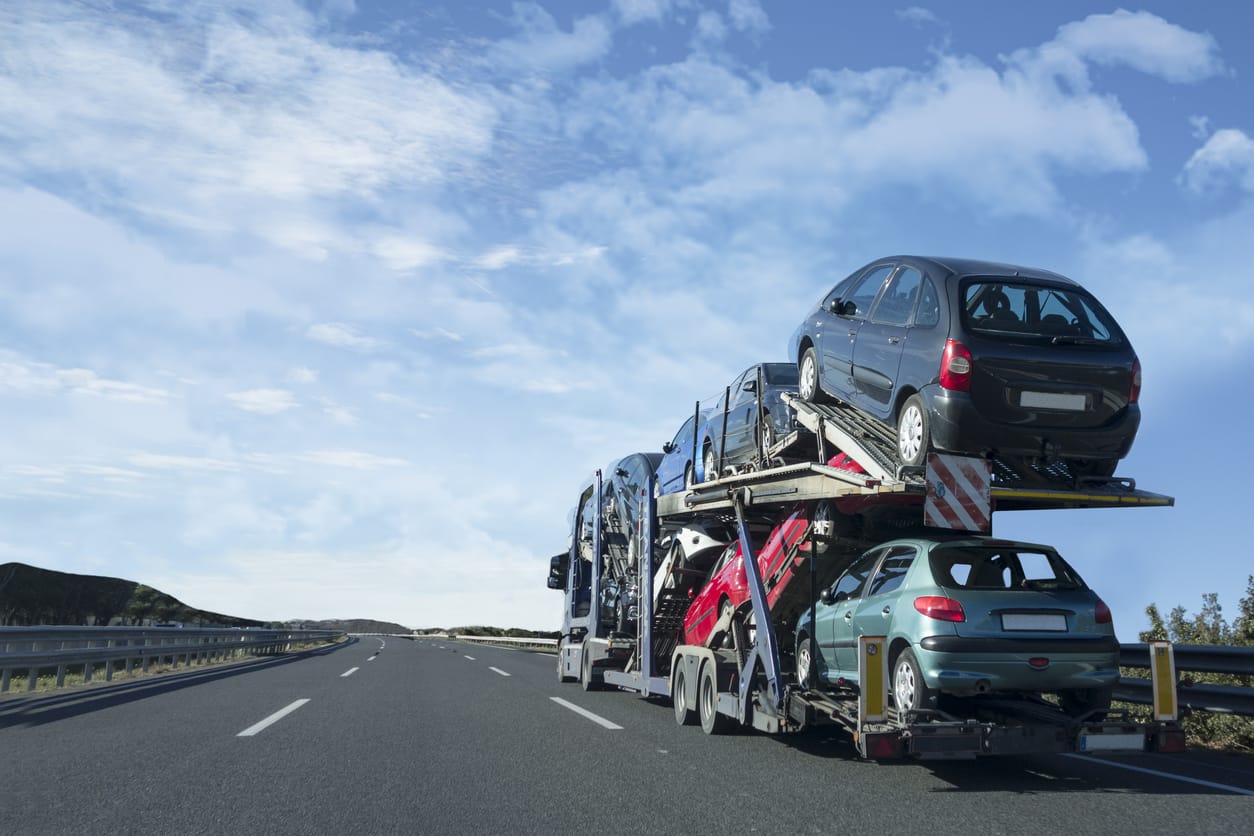
The answer is a meeting point, and it is completely normal. A large retail lot near an interstate exit on the edge of Champaign works well, and agreeing one when you book removes the single most common cause of a failed delivery. If you are arriving separately, nominate somebody who can receive and inspect the car, because whoever signs the bill of lading is accepting its condition.
Parking and Registration Before You Ship
Two administrative points worth settling first, because they can change whether shipping the car is a good idea at all.
Campus parking is permit based and limited, and availability varies by student status and residence. Confirm you can actually park the car before you send it. A vehicle that arrives with nowhere to sit becomes an expensive storage problem in a town where storage is also in demand during move-in.
On registration, students generally keep their home state registration and insurance while at school, but check both. Tell your insurer the car’s garaging location has changed, because failing to do so can affect a claim, and rates often differ between a home address and a college town.
Winter Is a Real Factor Here
Central Illinois gets proper winter: snow, ice and cold that a car from a warm climate has never met.
If the vehicle is coming from the South or the West Coast, check the battery, the coolant concentration and the tires before it ships, not after it arrives. A battery that is fine in Phoenix can fail on the first cold morning in Champaign.
Road salt is the other issue. It is used heavily here and it attacks the underside of a car over a winter. Undercoating is worth considering, and washing the underside regularly matters more than washing the paint.
Winter shipping itself is fine, but build slack into the schedule. Storms close interstates across the Midwest with little notice and a carrier will not run into one.
Preparing the Car
Wash it so existing marks are visible, then photograph every panel in daylight, including the wheels, the lower bumpers and the rocker panels, which are what loading marks.
Leave about a quarter tank of fuel. Empty the cabin and the trunk completely, since personal items are not covered by cargo insurance and they add weight. This is worth stressing for a student move, because the temptation to fill the car with everything that will not fit in a suitcase is real and it is not allowed.
Fold the mirrors, disable a motion sensitive alarm, remove a toll transponder and hand over a key. At delivery, inspect before signing and note anything unexpected on the bill of lading while the driver is present. Our college car guide covers the wider question of whether to bring one at all.
Common Questions
How long does it take? About a day from Chicago, two to three from the East Coast or Texas, five to seven from California, once collected.
How far ahead should I book? Three to four weeks around August move-in and May move-out, one to two weeks at other times.
Can the truck come to my residence hall? Usually not. Narrow streets, low branches and time limited loading zones mean a meeting point near an interstate exit is the normal arrangement.
Do I need to re-register the car in Illinois? Students generally keep home state registration, but confirm the rules and tell your insurer the car’s garaging location has changed.
Is winter a problem? For the car, yes if it comes from a warm climate. Check the battery, coolant and tires first, and expect road salt.
Get a Quote
Call Ship A Car, Inc. at (866) 821-4555 with both zip codes and your date range, or request an estimate for the move through the quote calculator.