
How to Ship a Car for Your Vacation
Shipping a car to a vacation destination only makes sense when the drive itself is the part you want to skip, and the honest way to decide is to price the drive properly before you compare anything. Fuel, two or three nights of lodging, meals and several days of your own time add up to more than most people assume. Once you have that number, the comparison is straightforward rather than a matter of opinion.

When It Is Worth Doing
Four situations account for most vacation car shipments and they have something in common: the vehicle needs to be there but the journey does not.
Seasonal residents are the largest group by far. If you spend several months somewhere each year, shipping a car in each direction removes two long drives and means you have your own vehicle rather than a rental for the whole stay.
Long stays generally justify it. Renting for two weeks is one thing; renting for six is a serious cost, and at that point shipping your own car frequently comes out ahead while giving you a vehicle you actually like driving.
Specialty vehicles are the third case. A convertible for a coastal summer, a classic for a show, a four wheel drive for a mountain season or a motorcycle for a riding trip are all things you cannot rent equivalents of.
And flying one way is the fourth. Some people ship the car and fly out, then drive back, or the reverse, which turns a two way marathon into a single enjoyable leg.
Do the Arithmetic Honestly
Driving is rarely as cheap as it feels, because most of its costs are invisible at the time.
Count fuel at your vehicle’s real economy rather than its best. Add lodging for every night the trip actually takes at a sensible daily distance rather than a heroic one. Add meals on the road. Then add wear: a long round trip puts real mileage on the car, and mileage has a value whether you sell the car or not.
Finally, count your time. Days spent driving are days not spent on vacation, and for many people that is the number that settles it.
Compare all of that against the shipping quote and the airfare. Sometimes driving wins clearly. On a long lane with a family, it frequently does not.
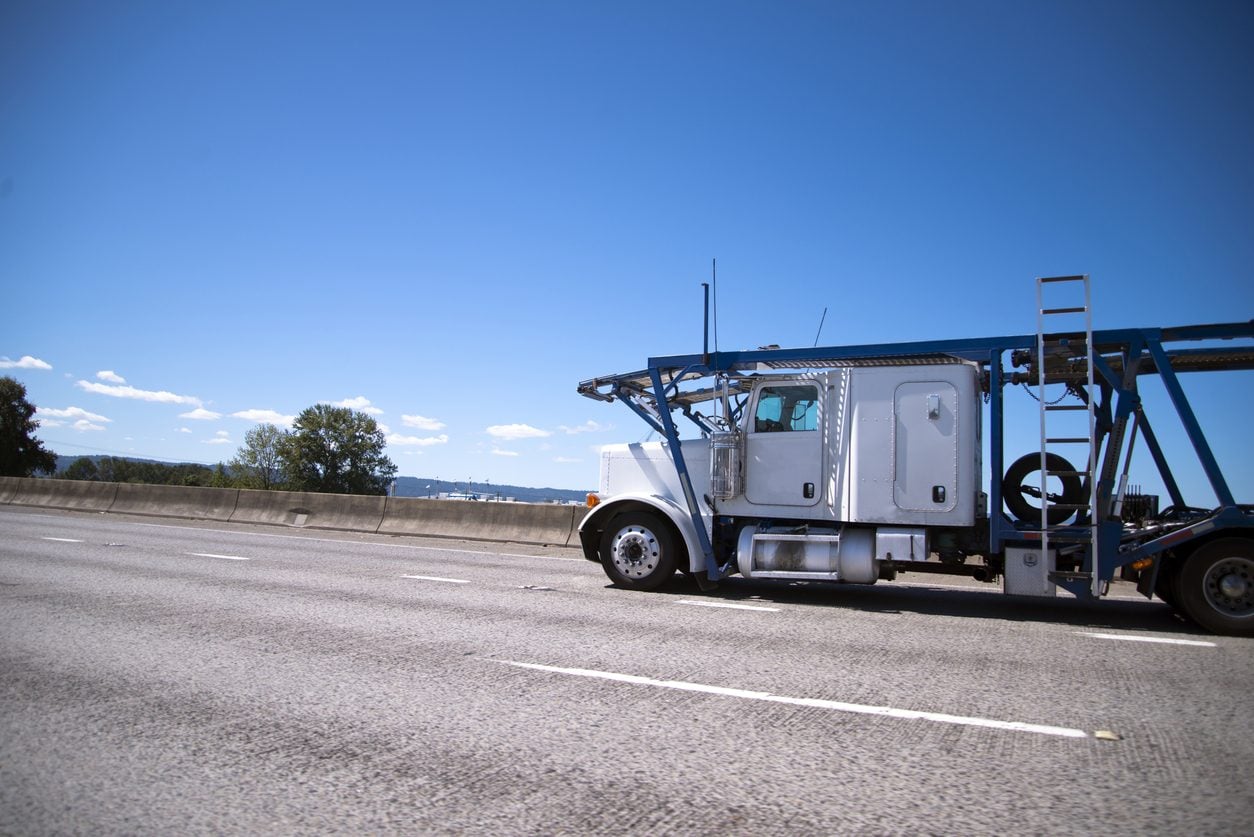
Book Around the Season, Not the Date
Vacation lanes are the most seasonal in the industry and that is the single biggest lever on what you pay.
Florida is the extreme case. Southbound demand builds through October and November and northbound spikes in March and April, and in both peaks rates rise and carriers fill early. The same pattern applies to Arizona and to a lesser extent Texas.
Summer runs its own peak on lanes to the mountain west and the coasts, and it collides with the moving season, which is when the whole industry is busiest.
Book three to four weeks ahead for a peak season vacation move rather than one to two, and give a range of pickup days rather than a single date. Shifting your pickup by a week either side of the crush is frequently worth real money.
Where the Car Actually Goes
This is the part that catches vacation shipments specifically, because your destination is often not a house you control.
Hotels and resorts are not delivery addresses in any useful sense. Most have no space for a 75 foot truck, and many will not accept a vehicle on behalf of a guest who has not arrived. Ask before you book rather than assuming.
Rental properties and condominium complexes have the same issue, plus rules about who may take delivery. If you are arriving after the car, arrange for somebody named to receive it and inspect it, because whoever signs the bill of lading is accepting the vehicle’s condition.
The practical answer is usually a meeting point at a large lot near a highway, or a terminal if the carrier has one nearby. Agree it when you book. And time the delivery for after you arrive rather than before, since a car delivered to a place where nobody is waiting becomes a storage problem.
Insurance and Registration Still Apply
Two quick administrative points that vacation shippers overlook.
Keep your own insurance active for the whole period the car is away, including while it is on the truck. The carrier’s cargo insurance covers damage in transit, but it is not a substitute for your policy once you are driving.
If your stay is long enough to raise residency questions, check the destination state’s rules. Most states allow visitors to keep out of state registration, but a stay of several months can cross a threshold, and that is worth knowing before rather than after.

Open or Enclosed
Open transport is right for almost every vacation shipment and it is what the overwhelming majority use.
Enclosed costs about a third more and earns it on a convertible, a classic, a car with fresh paintwork or a wrap, and on a winter northbound move where road salt is the concern. If the reason you are shipping is that the car is special, enclosed is usually the consistent choice.
Preparing the Car
Wash it so existing marks are visible, then photograph every panel in daylight, including the wheels, the lower bumpers and the rocker panels, which are what loading marks.
Leave about a quarter tank of fuel. Empty the cabin and the trunk completely, since personal items are not covered by cargo insurance, they add weight and they shift in transit. This is worth stressing for vacation shipments, because the temptation to fill the car with beach gear and golf clubs is real and it is not allowed.
Fold the mirrors, disable a motion sensitive alarm, remove a toll transponder so you are not billed for the truck’s route, and hand over a key. At delivery, inspect before signing and note anything unexpected on the bill of lading while the driver is present. Our guide to shipping in extreme weather covers the seasonal risks in more detail.
Common Questions
Is shipping cheaper than driving? On a long lane with lodging, meals and your own time counted honestly, frequently yes. Price the drive properly before comparing.
Can the car be delivered to my hotel? Usually not. Most hotels and resorts cannot take a 75 foot truck and many will not accept a vehicle for a guest. Use a meeting point.
How far ahead should I book? Three to four weeks in the seasonal peaks, one to two otherwise, with a range of pickup days.
Can I pack luggage in the car? No. Personal items are not covered by cargo insurance, they add weight and they move around in transit.
Do I keep my insurance active? Yes, for the whole period. Cargo insurance covers transit damage, not your use of the car at the destination.
Get a Quote
Call Ship A Car, Inc. at (866) 821-4555 with both zip codes and the date you need the car there, or price the move with the instant calculator.