Bill of Lading vs Proof of Delivery
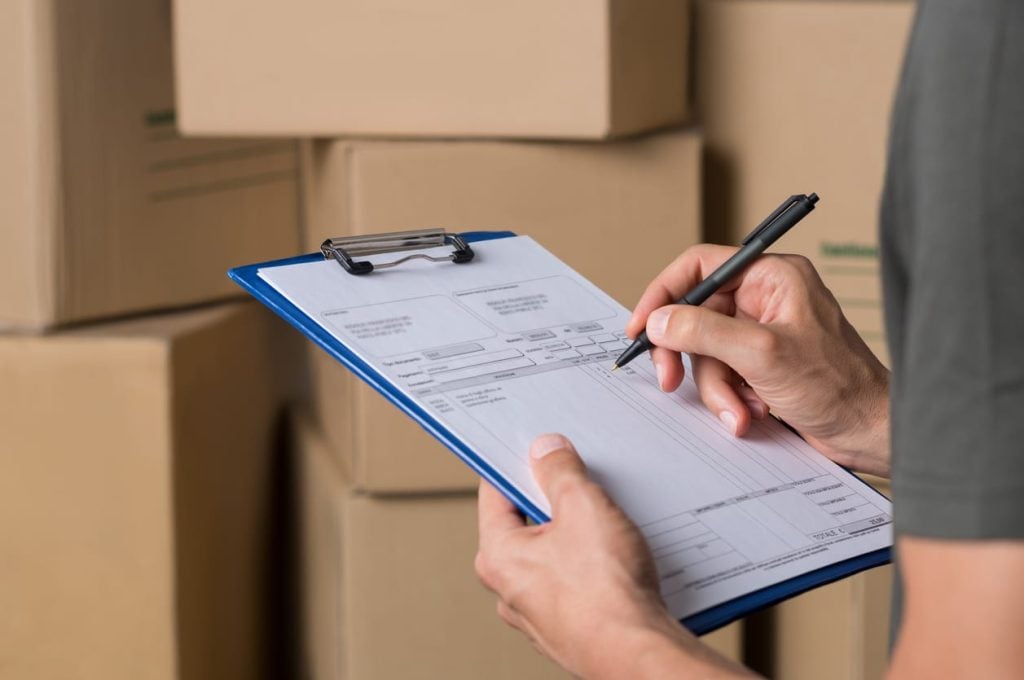
The bill of lading is the contract and the condition record; the proof of delivery is the receipt that says it arrived and in what state. They are signed at opposite ends of the journey and they do different jobs, and the practical consequence is simple: the bill of lading is what protects you if the car arrives damaged, and the proof of delivery is what closes the file. Sign either one without reading it and you have given up the argument.
What the Bill of Lading Actually Does
It performs three jobs at once, which is why it matters more than any other document in the move.
It is the contract of carriage: it names the carrier, the origin and destination, and the terms the vehicle moves under. It is the receipt: it acknowledges the carrier took possession of your vehicle. And on an auto transport move it carries the condition report, the record of every existing mark on the car at the moment it was loaded.
That third function is the one that decides claims. A damage claim is settled by comparing the condition at delivery against the condition recorded at pickup, and the bill of lading is the only version of that record anyone will accept.
Read the Condition Report Before You Sign
This is the single most useful thing on this page.
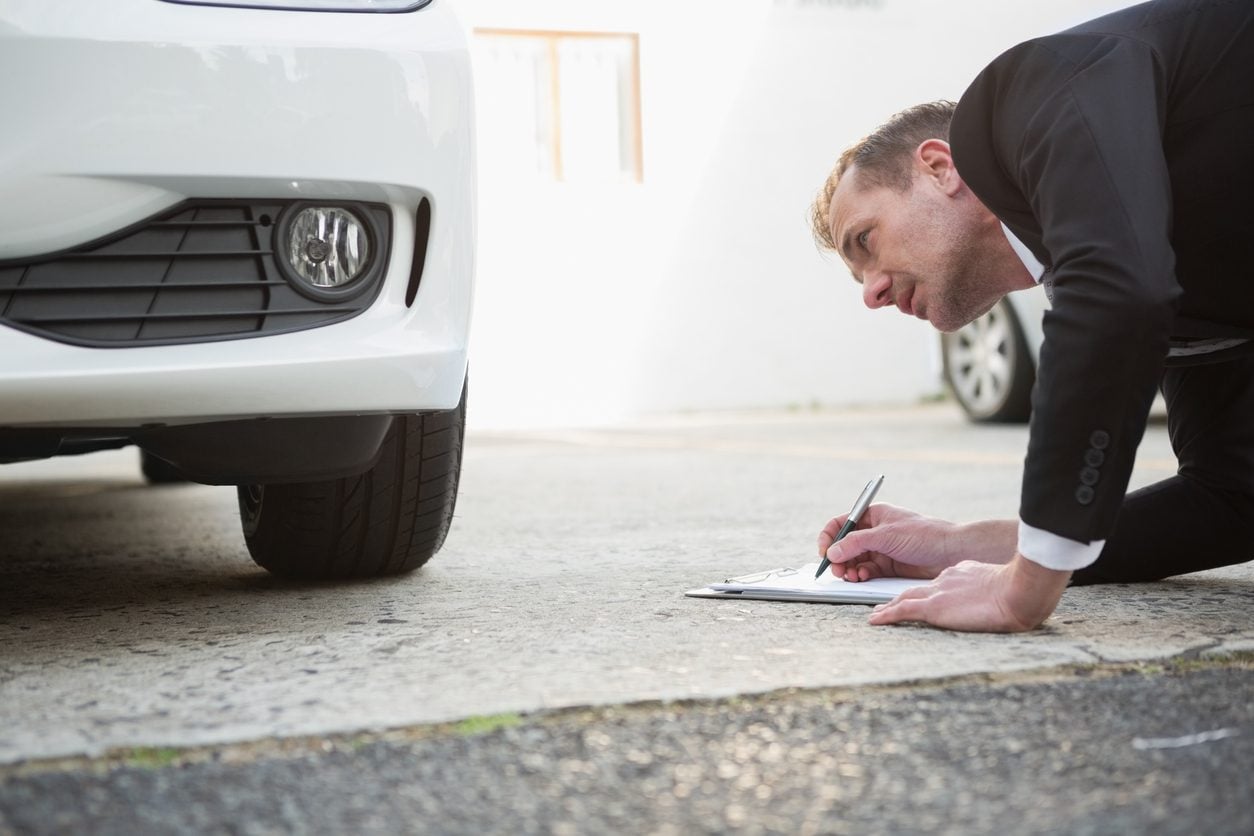
Walk the car with the driver in daylight and check that every existing scratch, dent, chip and scuff is marked. Pay particular attention to the lower bumpers, the wheels, the rocker panels and the roof, because those are what loading damages and they are the areas most often glossed over.
A vague report works against you. “Minor scratches, general wear” means any mark found later can be argued to have been there already. Specific notes with locations mean the opposite.
Then photograph the car yourself, every panel, in daylight, before it is loaded, and photograph the completed bill of lading. Your photographs and the document should tell the same story.

What Proof of Delivery Adds
The proof of delivery is signed at the destination and confirms the vehicle was handed over, when, and to whom.
On most auto transport moves it is the same physical document: the driver produces the bill of lading again at delivery and you sign the delivery section. In freight it is more often a separate receipt. Either way, its function is to record the moment responsibility passes back to you.
That is precisely why it must be honest. Signing it clean means you have stated the car arrived in the condition described at pickup, and a claim raised afterwards is contradicted by your own signature.
How to Sign at Delivery
Inspect before you sign, not after, and do it in daylight if you have any choice about the timing.
Walk the whole car against your photographs and the pickup report. Check the lower bumpers, wheels and rocker panels first. Look at the roof, which is easy to skip and is exposed on an upper deck. If the car was delivered in the dark or in rain, note that on the document itself before signing, because it establishes that a full inspection was not possible.
If you find damage, write it on the delivery section specifically, with a location, before signing. Take photographs at the delivery point with the truck still there. That combination is what makes a claim straightforward.
Do not let being rushed decide this. The driver is on a schedule; the document is yours.
If Something Is Wrong
Damage noted on the delivery paperwork is a claim. Damage discovered after signing a clean receipt usually is not, and that is the whole distinction.
Cargo insurance sits with the carrier that physically hauled the vehicle, so the claim goes to them rather than to whoever arranged the booking. Have the bill of lading, your photographs from both ends, and the delivery notes ready when you open it.
Keep copies of everything. A file with the document, dated photographs and the carrier’s details is a short conversation; the same claim without them is a long one.
Common Questions
What is a bill of lading? The contract of carriage, the receipt for the vehicle, and the condition report recording its state at pickup.
What is proof of delivery? The receipt signed at the destination confirming the vehicle was handed over, when and to whom.
Are they the same document? On most auto transport moves, yes. The driver produces the bill of lading again and you sign the delivery section.
What if it is dark or raining at delivery? Note that on the document before signing. It records that a full inspection was not possible.
What if I sign and find damage later? A clean signature makes a claim very difficult. Inspect and note anything unexpected before signing.
Get a Quote
Call Ship A Car, Inc. at (866) 821-4555 with any questions about the paperwork, or request an estimate for your move through the quote calculator.