
Shipping a Car from the US to Canada
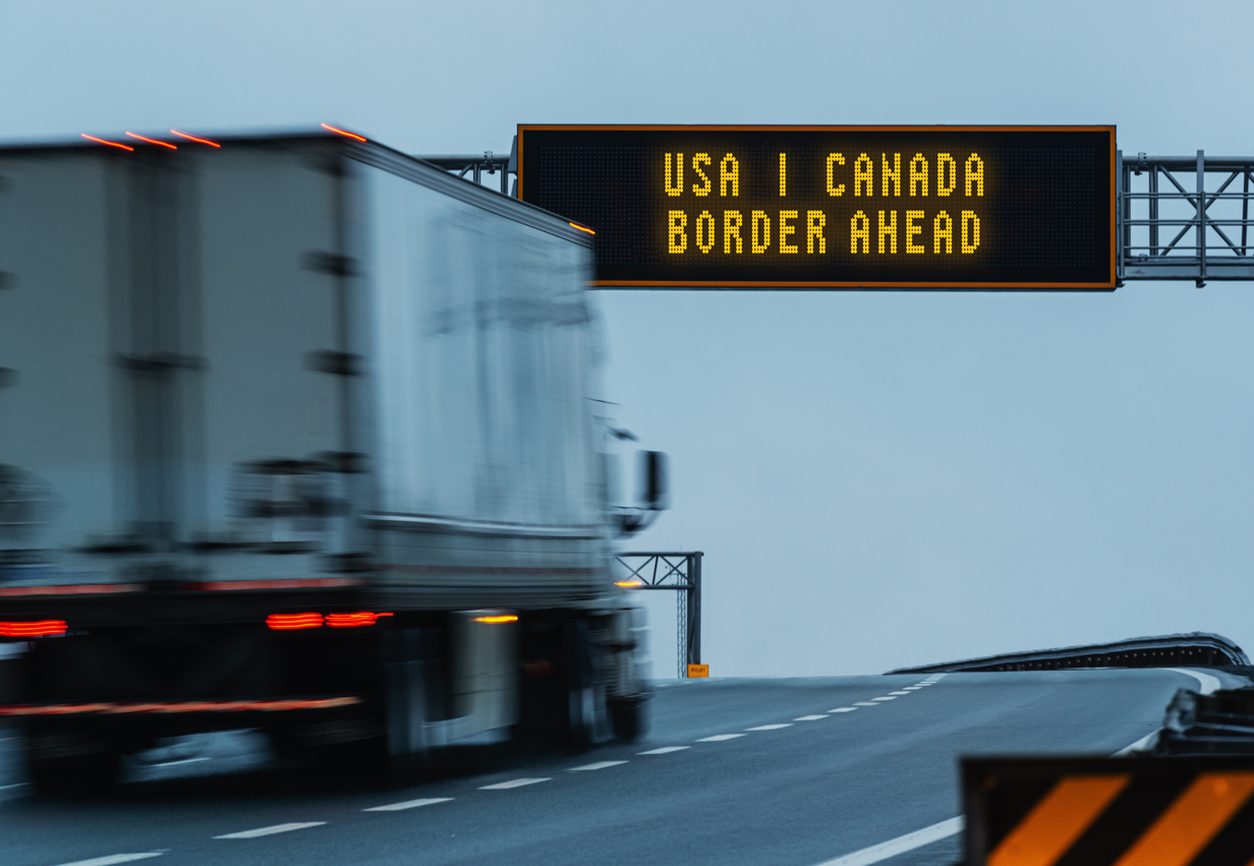
Shipping a vehicle to Canada is not an ordinary auto transport job with a longer drive; it is a customs process with a transport component attached. The truck part is straightforward. What decides whether it goes smoothly is paperwork submitted to the right agency at the right time, and a vehicle that is actually admissible.
Start With Admissibility
Before anything else, establish that the vehicle can legally enter Canada. This is the step people skip and it is the one that stops shipments.
Canada maintains a list of US vehicles that are admissible for import, and not every model qualifies. Vehicles fifteen years or older are generally exempt from the standards requirements, which is why classic imports are comparatively simple. Newer vehicles must meet Canadian standards or be capable of being modified to meet them, and some are simply not admissible in any condition.
Check the specific year, make and model against the Registrar of Imported Vehicles list before you book transport or agree a purchase. A vehicle that cannot be imported is a vehicle you cannot ship, and finding out at the border is expensive.
There is also a recall clearance requirement: the manufacturer must confirm there are no outstanding recalls on the vehicle. That letter takes time to obtain, so start it early.
The Paperwork and the Timing Rule
Exporting a vehicle from the United States is a formal process handled by US Customs and Border Protection, and it has a deadline that catches people.
The title and export documentation must be submitted to the border office at least 72 hours before the vehicle leaves the country. Not on the day, not the evening before. This is the single most common cause of a vehicle sitting at the border, and it is entirely avoidable.

You will need the original title, not a copy, and if there is a lien on the vehicle you need written release from the lienholder. A bill of sale, proof of ownership and identification complete the set. On the Canadian side, the vehicle is presented to the Canada Border Services Agency and, for most vehicles, registered with the Registrar of Imported Vehicles.
Duties and taxes apply on arrival. Vehicles manufactured in North America are frequently exempt from duty under trade agreements, but federal and provincial taxes still apply, and there is an additional levy on air conditioning. Budget for it rather than being surprised.
How the Transport Itself Works
Most vehicles cross by truck, and there are two common arrangements.
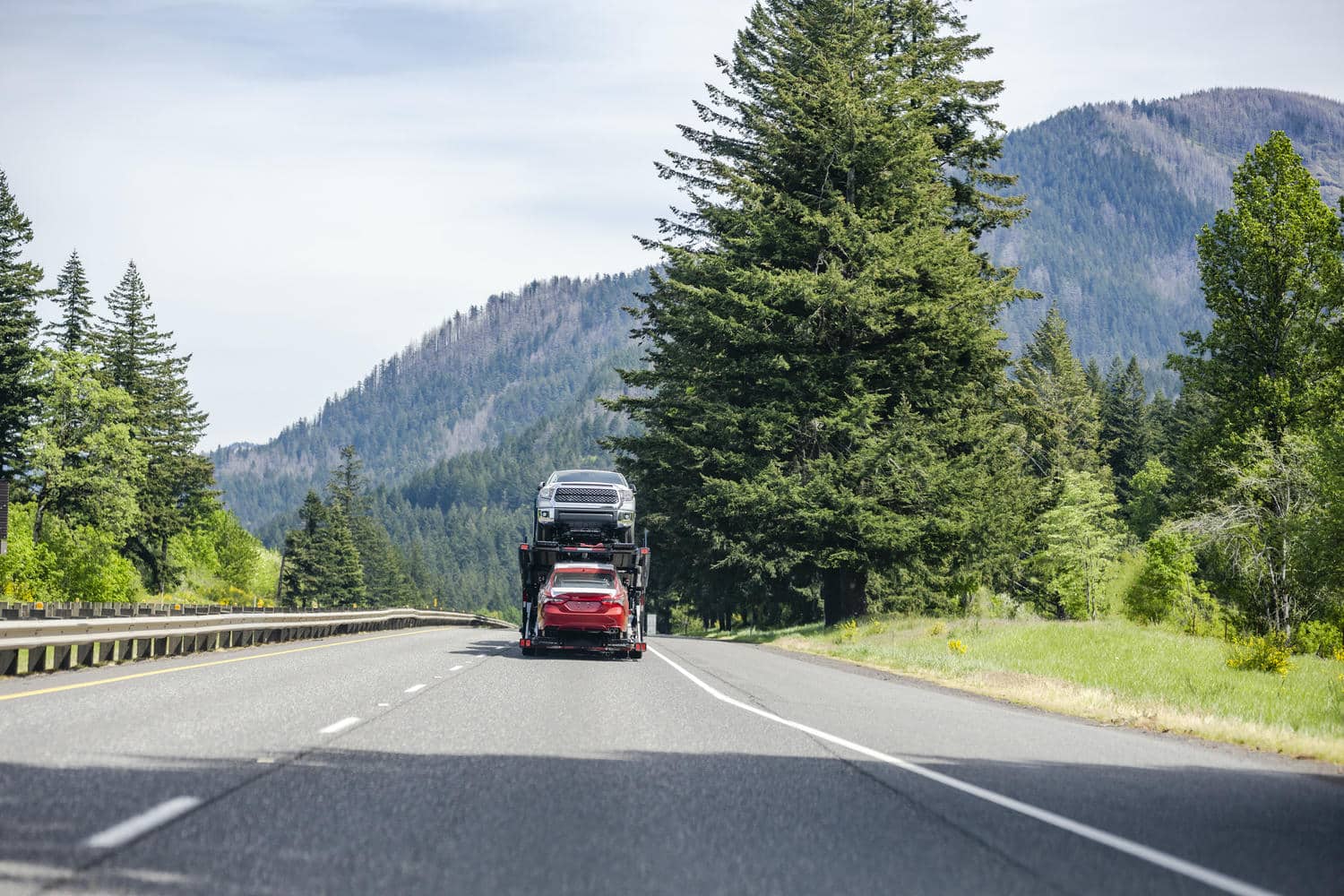
A through carrier takes the vehicle from origin to final Canadian destination, handling the crossing as part of the run. It is simpler and it is what most people want. Alternatively the vehicle is moved to a terminal near the border, cleared, and collected or moved onward by a Canadian carrier.
The second option is sometimes cheaper on a long lane and it gives you more control over the clearance step, but it introduces a handover, and every handover is a point where something can be missed. For a single vehicle, through service is usually worth the difference.
Timing and Cost
Plan on longer than an equivalent domestic move. The transport itself is ordinary, but the border step adds days and it does not compress.
Cost is the transport rate plus customs brokerage if you use one, plus duties and taxes on arrival, plus any modification needed to meet Canadian standards, most commonly daytime running lights and a metric speedometer on older imports.
A customs broker is optional but usually worth it for a first import. They know the forms, the timing and the agency, and their fee is small against the cost of a vehicle held at the border.
Shipping Beyond North America
If the destination is not Canada or Mexico, the vehicle goes by sea and the process changes shape again.
Two methods dominate. Roll on roll off means the vehicle is driven onto a vessel and parked on a deck; it is cheaper, it sails more frequently, and the vehicle must be running and drivable and travels completely empty. Container shipping puts the vehicle inside a container, alone or shared, which protects it better, suits a non running or high value car, and is what most people choose for anything special.
Sailing time depends entirely on the lane. Northern Europe from an East Coast port is a couple of weeks; Australia, Asia or the Middle East is considerably longer, and that is before port processing at either end. Add the inland trucking leg to the departure port and a realistic door to door estimate is measured in weeks rather than days.
Every destination country has its own import rules, and they vary far more than Canada’s. Age restrictions, emissions and safety standards, right hand drive requirements, duty rates and whether the vehicle must be owned for a minimum period all differ. Confirm the destination country’s rules before you commit to anything, because a vehicle that cannot be imported at the far end is a very expensive mistake.
Preparing the Vehicle
Wash it thoroughly, including the undercarriage. Soil and plant material can attract agricultural attention at the border, and a clean vehicle simply moves faster.
Photograph every panel in daylight, including the wheels, the lower bumpers and the rocker panels, which are what loading marks. Photograph the odometer and the VIN plate, since the VIN is central to every document in the process.
Leave about a quarter tank of fuel. Empty the cabin and the trunk completely: personal effects crossing a border complicate a customs declaration in ways you do not want, quite apart from not being covered by cargo insurance.
At delivery, inspect before signing and note anything unexpected on the bill of lading while the driver is present. Our guide to first time car shipping covers the transport fundamentals.
Common Questions
Can any US car be imported to Canada? No. Check the specific year, make and model against the Registrar of Imported Vehicles list before booking anything.
What is the 72 hour rule? Title and export documents must reach US Customs and Border Protection at least 72 hours before the vehicle leaves the country.
Do I need the original title? Yes, not a copy, plus written lien release if the vehicle is financed.
Will I pay duty? Vehicles built in North America are frequently duty exempt under trade agreements, but taxes and an air conditioning levy still apply.
Do I need a customs broker? Not legally, but for a first import it is usually worth the fee against the cost of a vehicle stuck at the border.
Get a Quote
Call Ship A Car, Inc. at (866) 821-4555 with the origin zip code, the Canadian destination and the year, make and model of the vehicle, or request an emailed estimate for the domestic leg through the quote calculator.