Freight Shipping From the US to Canada
Shipping freight into Canada is an ordinary trucking job wrapped in a customs process, and the customs process is what actually decides whether your shipment arrives on time. The driving is the easy part. The paperwork has to be complete and lodged before the truck reaches the border, because a load that arrives at a crossing without its clearance in place waits there, and waiting at a border is expensive in a way that miles are not.

The Documents That Have to Be Right
Three documents do most of the work and errors in them cause most of the delays.
The commercial invoice states what the goods are, what they are worth, who is buying and selling, and where they were made. It is the basis for duty and tax, and vague descriptions are the single most common cause of a hold. “Machine parts” is not a description. The specific item, with the correct tariff classification, is.
The bill of lading is the transport contract and must match the invoice exactly. A discrepancy between the two, even a small one in piece count or weight, is a reason for the shipment to be examined.
A certificate of origin, or the origin statement now used under the current North American trade agreement, is what establishes preferential duty treatment where goods qualify. Without it, goods that should enter duty free may not.
Get these prepared before the truck is loaded rather than while it is moving. Amending a document after a shipment has departed is possible and slow.
Who Clears It
Somebody has to file the entry with the Canada Border Services Agency, and it will not be the driver.
Most commercial shipments use a licensed customs broker, who lodges the entry electronically in advance so the shipment is cleared or flagged before the truck reaches the crossing. That advance filing is the entire mechanism by which a load crosses without stopping for hours.

Decide who the importer of record is before you ship, because that party is responsible for duties, taxes and the accuracy of the declaration. Establish whether you are shipping on delivered terms, where you handle the import, or on terms where the buyer does. Getting that wrong produces an argument at the border rather than a discussion in an office.
Carriers themselves need to be registered for the electronic manifest system, which reputable cross border carriers are as a matter of course.
Duties, Taxes and What They Cost
Two charges apply on most commercial imports and they are separate things.
Duty depends on the tariff classification of the goods and their country of origin. Many goods made in the United States enter duty free under the trade agreement, provided the origin is properly certified. Many others do not, and the rate depends entirely on the classification.
Goods and services tax applies to most imports regardless of duty, and some provinces add their own on top. That is a real cost to budget for rather than a surprise at delivery, and it is charged to the importer of record.
Because both depend on classification, getting the tariff code right is worth doing properly. A broker earns their fee here.
What Needs More Than the Standard Paperwork
Several categories carry additional requirements and they are worth checking before quoting.
Food, plants, animals and anything agricultural fall under inspection regimes with their own permits. Alcohol and tobacco are controlled provincially as well as federally. Firearms and anything on the controlled list are restricted outright. Some goods require labeling in both English and French to be sold in Canada, which is a market access question rather than a border one but it catches exporters out.
Wood packaging, including pallets and crates, must be heat treated and marked to the international standard. Untreated wood is a common and entirely avoidable reason for a load to be refused.
Choosing the Crossing
The route matters more than the mileage suggests.
The major commercial crossings, Detroit to Windsor, Buffalo to Fort Erie, Blaine to Surrey and Port Huron to Sarnia among them, have the staffing, the hours and the infrastructure to process commercial traffic efficiently. Smaller crossings may have limited hours or no commercial processing at all.
Wait times vary by crossing and by time of day, and they are published. A carrier who runs Canada regularly will route around a congested crossing as a matter of routine, which is part of what you are buying.
Equipment and Weights
Canadian weight and dimension rules are set provincially and differ from the United States, generally allowing higher gross weights on certain configurations.
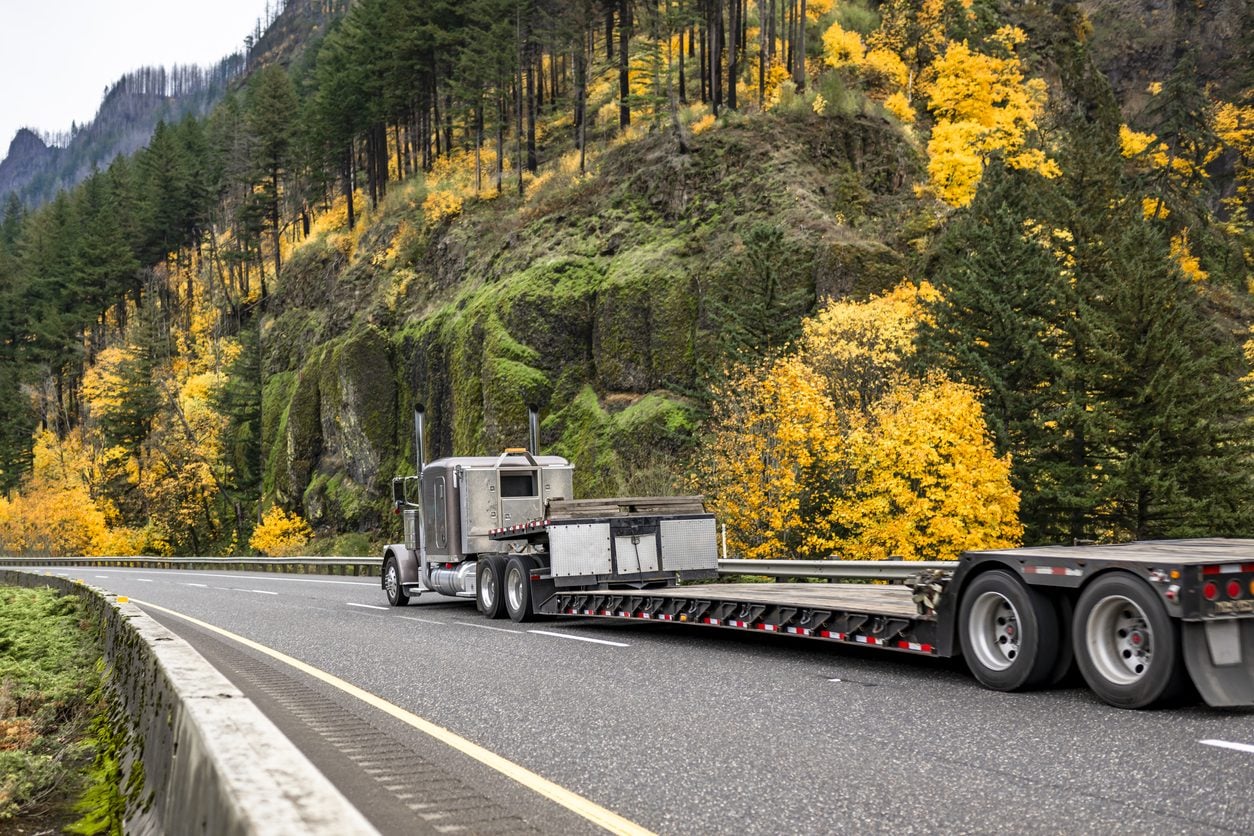
That is usually to your advantage, but it means a load legal for a Canadian destination is not automatically legal on the American side of the route, and the reverse. Oversize and overweight loads need permits from each jurisdiction they cross, on both sides of the border.
Note also that Canada uses metric. Dimensions and weights on Canadian documentation will be in centimeters and kilograms, and a conversion error in a declaration is a discrepancy like any other. Our guide to wide and oversize loads covers the American dimension rules.
Common Questions
What causes most border delays? Incomplete or inconsistent paperwork, particularly vague goods descriptions and a bill of lading that does not match the invoice.
Do I need a customs broker? For commercial shipments, in practice yes. A broker files the entry electronically in advance, which is what lets a truck cross without a long stop.
Will I pay duty? It depends on classification and origin. Many US made goods enter duty free with proper origin certification, but tax generally still applies.
What about pallets and crates? Wood packaging must be heat treated and marked to the international standard. Untreated wood gets loads refused.
Are the weight limits the same? No. Canadian limits are provincial and often higher. A load legal in Canada may still need permits on the US side of the route.
Get a Quote
Call Ship A Car, Inc. at (866) 452-3657 for cross border freight with the commodity, the weight and dimensions, both addresses and who is acting as importer of record, or request a quote through the specialized transport calculator.