How Freight Moves Beer: Trucking and the Brewing Business
Beer is heavy, temperature sensitive, tightly regulated and sold across state lines under fifty different sets of rules. That combination makes brewing one of the more freight dependent businesses there is, and it explains why a brewery’s growth is frequently limited by logistics rather than by demand.
Here is how it actually moves, why the three tier system shapes everything, and where the equipment side comes in.
Weight Is the First Constraint
Beer is mostly water, and water is heavy. A single keg with its contents weighs enough that a truck reaches its legal weight limit well before it runs out of physical space.
This is the defining fact of beverage freight. Most dry freight cubes out, meaning the trailer fills before it reaches the weight limit. Beer weighs out, meaning the truck is at its legal gross weight with the trailer only partly full. That changes the economics: you are paying to move weight rather than volume, and there is no efficiency to be gained by stacking better.
It also means axle weight distribution matters more than in most freight. Loading has to be planned so no axle exceeds its limit, which is a real skill and one reason beverage carriers tend to specialize.
One more constraint worth naming: kegs are returnable assets, so the freight runs in both directions. Empty kegs have to come back from the distributor to be cleaned and refilled, which means a brewery is managing a reverse logistics loop on stainless containers it owns. A keg that does not come back is a real capital loss, and tracking them is a genuine operational burden that most people outside the industry never consider.
The Three Tier System Shapes the Route
This is the part that surprises people from outside the industry.
Most states require alcohol to pass from producer to a licensed distributor to a retailer, with limited exceptions. A brewery generally cannot simply ship a pallet to a bar in another state the way a manufacturer ships anything else.
So the freight pattern is shaped by law rather than by geography. Beer moves from the brewery to a distributor’s warehouse, then out on the distributor’s own local delivery fleet. The long haul leg is brewery to distributor; the last mile is the distributor’s business.
Direct to consumer shipping exists but is restricted, and the rules differ by state in ways that change. Any brewery selling that way is dealing with a patchwork of licensing requirements rather than a single national rule.
Temperature Matters More Than People Think
Beer is perishable in ways that are not always visible.
Heat accelerates staling and can change flavor permanently. Freezing can push a can or bottle past its structural limit. Unpasteurized and hop forward styles are the most sensitive, which is precisely the category craft brewing has grown into.

That is why a growing share of beer moves in refrigerated trailers rather than dry vans, and why reefer capacity in summer is a genuine constraint for brewers competing with produce shippers for the same equipment. A dry van crossing the southwest in July is a real risk to product that a brewery cannot see until a customer complains.
Seasonality Runs Against the Brewer
Beer demand peaks in summer. So does refrigerated freight demand from agriculture. The two compete for the same trailers at the same time, which is why summer capacity is tight and rates firm exactly when a brewery most needs to ship.
The practical response is planning further ahead than feels necessary, and building relationships with carriers rather than treating every load as a spot purchase. A brewery that books in advance gets served in July; one that calls on the day competes with everyone else.
The Equipment Side
The other freight a brewery generates has nothing to do with beer, and it is where oversize transport enters.
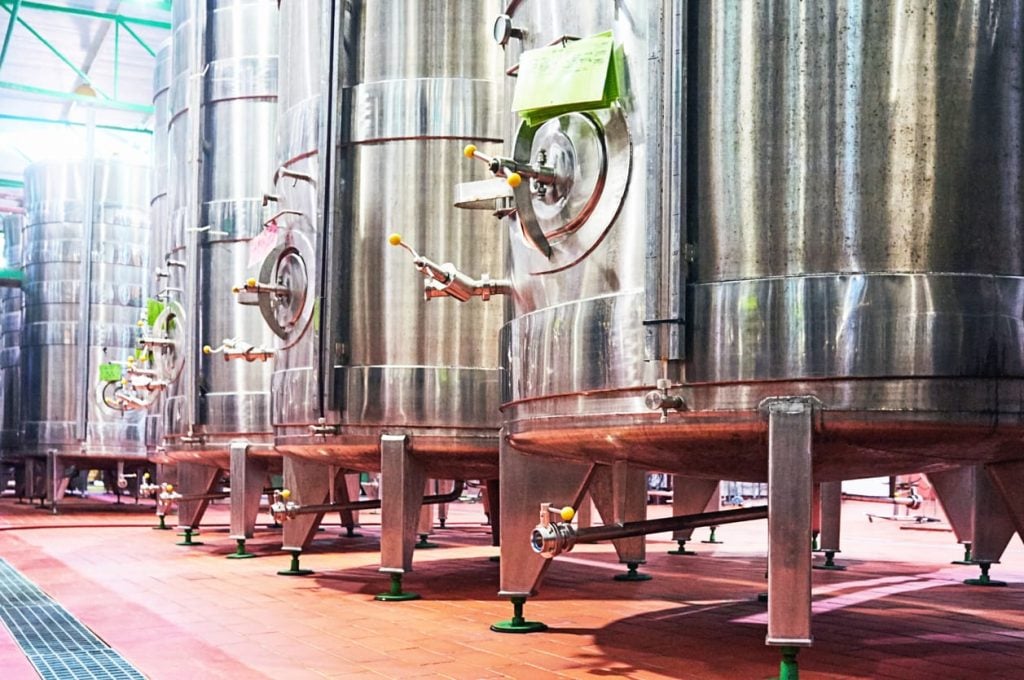
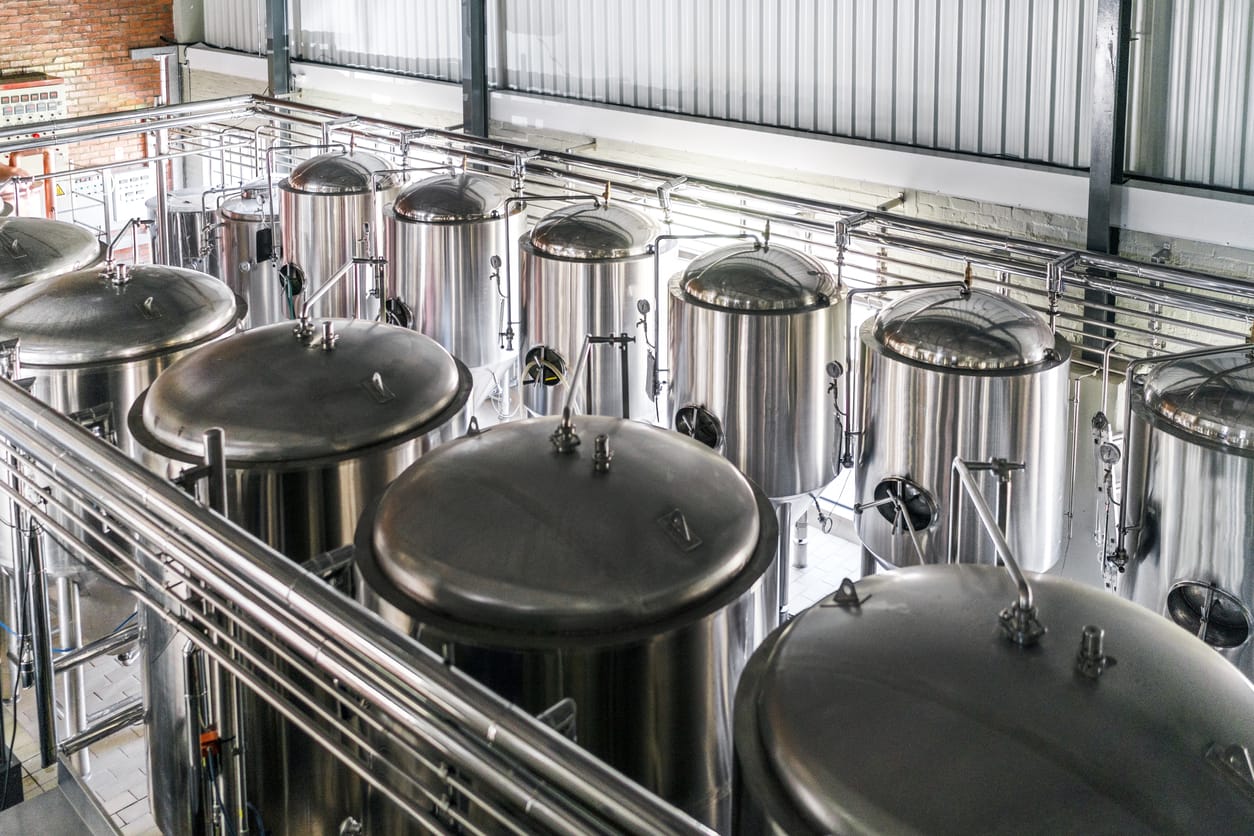
Fermentation tanks, brite tanks, mash tuns and kettles are large, heavy, awkwardly shaped and frequently over legal dimensions. A single fermenter can exceed the height and width limits that trigger permits, and a full brewhouse is a multi load project.
Three things follow. The equipment usually travels on a step deck or a drop deck rather than a flatbed, because tank height plus deck height puts a standard flatbed over the limit. Oversize permits are issued per state, each with its own route and conditions. And access at the destination is the constraint that decides everything, because a brewery is often in a converted industrial building on a street a 75 foot combination cannot use.
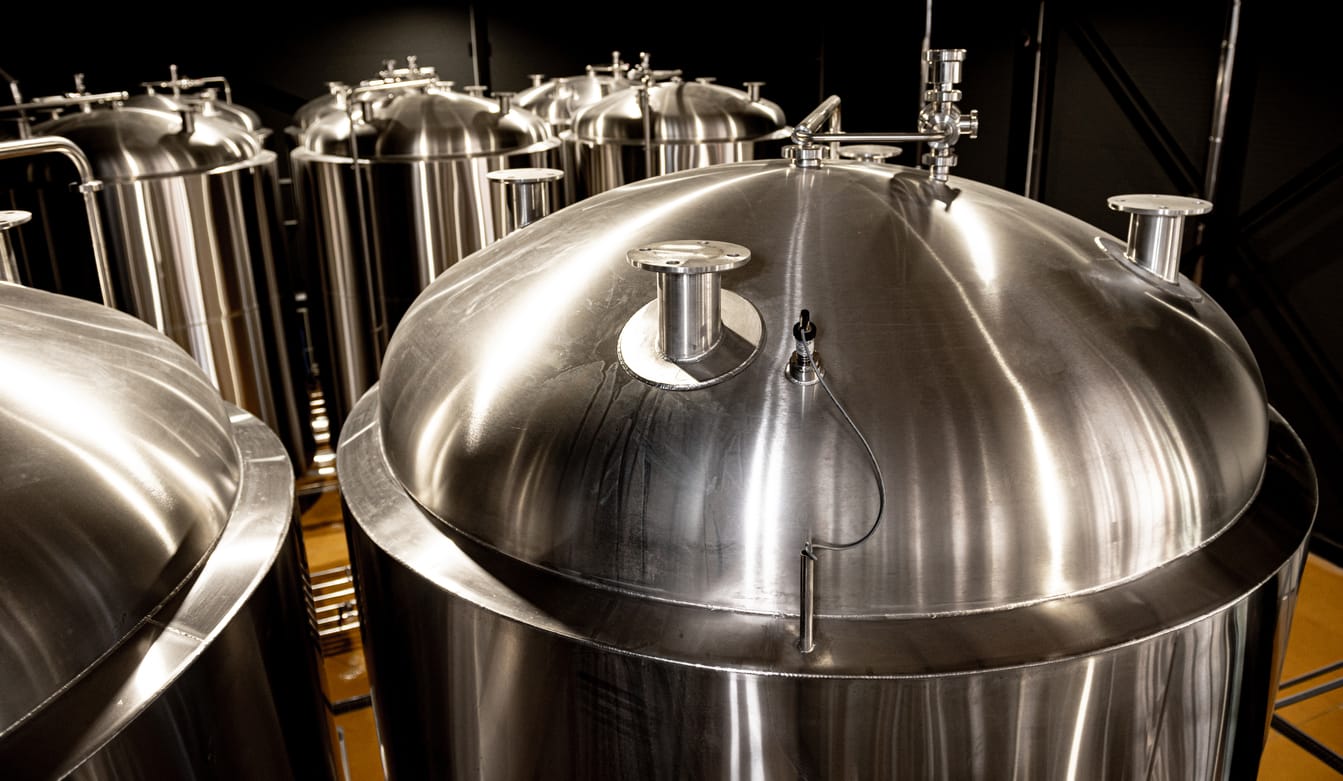
Rigging matters too. A tank is a thin walled vessel and it cannot be strapped anywhere convenient. Lifting points, cradles and load spreading are engineering questions, not preferences, and a carrier who has moved tanks before knows that. Our page on oversize load permits and requirements covers what that involves.
What a Brewery Should Have Ready
For product freight: pallet count, total weight, whether it needs refrigeration, both addresses and the delivery window the distributor requires.
For equipment freight: exact dimensions of each piece including any protruding fittings, weight, whether it can be laid down or must travel upright, lifting arrangements at both ends, and an honest description of access. Photographs are worth more than descriptions.
In both cases, flexibility on dates buys more than negotiation does. A carrier who can fit you into an existing route prices better than one being asked to make a special trip.
Common Questions
Why is beer expensive to ship? It weighs out before it cubes out, so you pay to move weight rather than volume and there is no packing efficiency to gain.
Can a brewery ship straight to a retailer in another state? Usually not. Most states require passage through a licensed distributor, and direct to consumer rules vary and change.
Does beer need refrigerated transport? Increasingly yes, particularly unpasteurized and hop forward styles, and especially in summer or across hot regions.
Why is summer capacity so tight? Beer demand and agricultural refrigerated demand peak simultaneously and compete for the same trailers.
How do brewing tanks travel? Usually on a step or drop deck, frequently as an oversize load requiring per state permits, with rigging planned for a thin walled vessel.
Get a Quote
Call Ship A Car, Inc. at (866) 452-3657 with dimensions, weight, both addresses and your date range, or price the move with the specialized transport calculator.