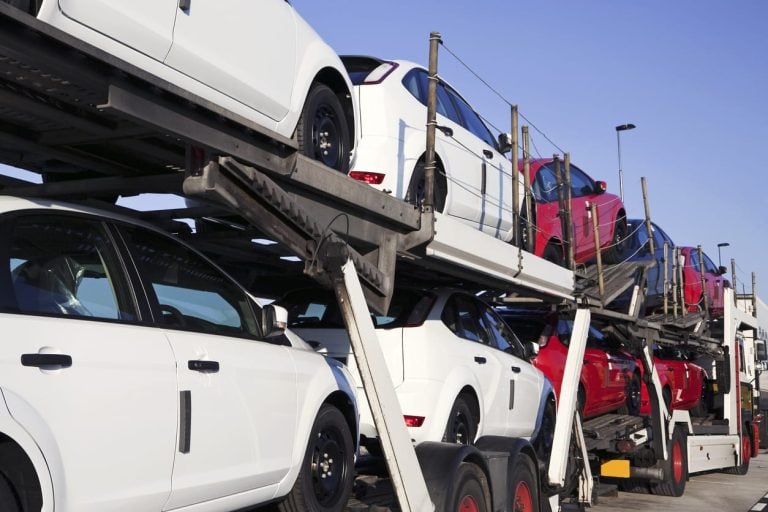
How to Ship a Car From Hudson Valley, New York
The Hudson Valley is a hundred and fifty miles of river corridor rather than a city, and that geography is the whole story: everything close to Interstate 87 is easy and cheap to serve, and everything up a wooded lane off a county road is neither. Knowing which side of that line your address sits on tells you more about your quote and your wait than the destination does.

The Thruway Decides Your Rate
Interstate 87, the New York State Thruway, runs the length of the valley from the New York City line to Albany, and it is the reason this region is served as well as it is.
Carriers use it constantly, moving between the metropolitan area and upstate, New England and Canada. An address in Yonkers, White Plains, Newburgh, Poughkeepsie, Kingston or Albany sits close to that flow and is straightforward to assign, frequently within a few days.
Move twenty miles east into Dutchess or Columbia County, or west into the Catskills, and the picture changes. A carrier now has to justify a detour off the interstate on roads that may be narrow, steep and wooded, and you either wait longer, pay for the diversion, or meet the truck somewhere sensible.
Rural Roads Are the Real Constraint
This is where Hudson Valley shipments actually fail, and it is worth being honest about your own driveway before you book.
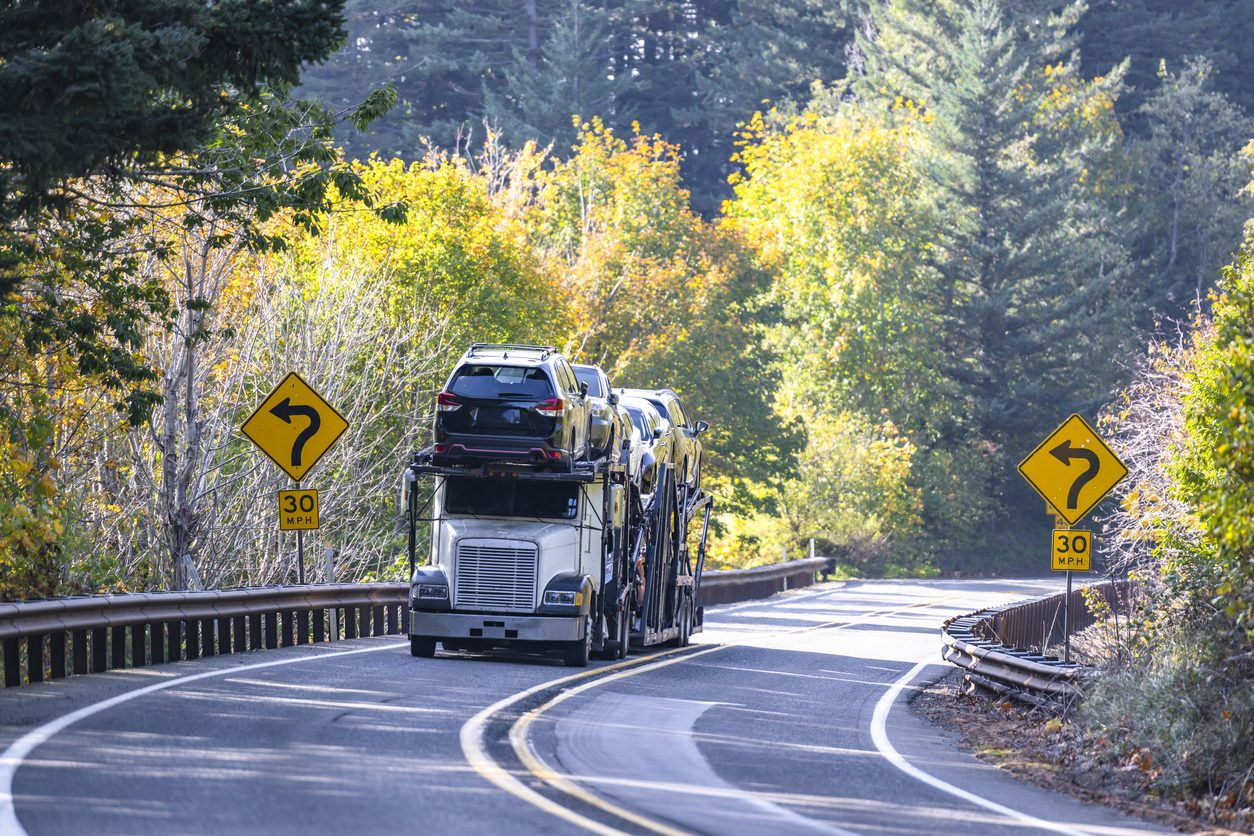
A loaded car hauler is around 75 feet long and 13 feet 6 inches tall. It needs a straight run to stop on, room to lower ramps behind it, and clearance overhead. A great many valley properties have a long gravel driveway, a tight turn from a county road, mature trees meeting overhead, or a bridge over a creek with a weight limit nobody has ever tested with 40 tons.
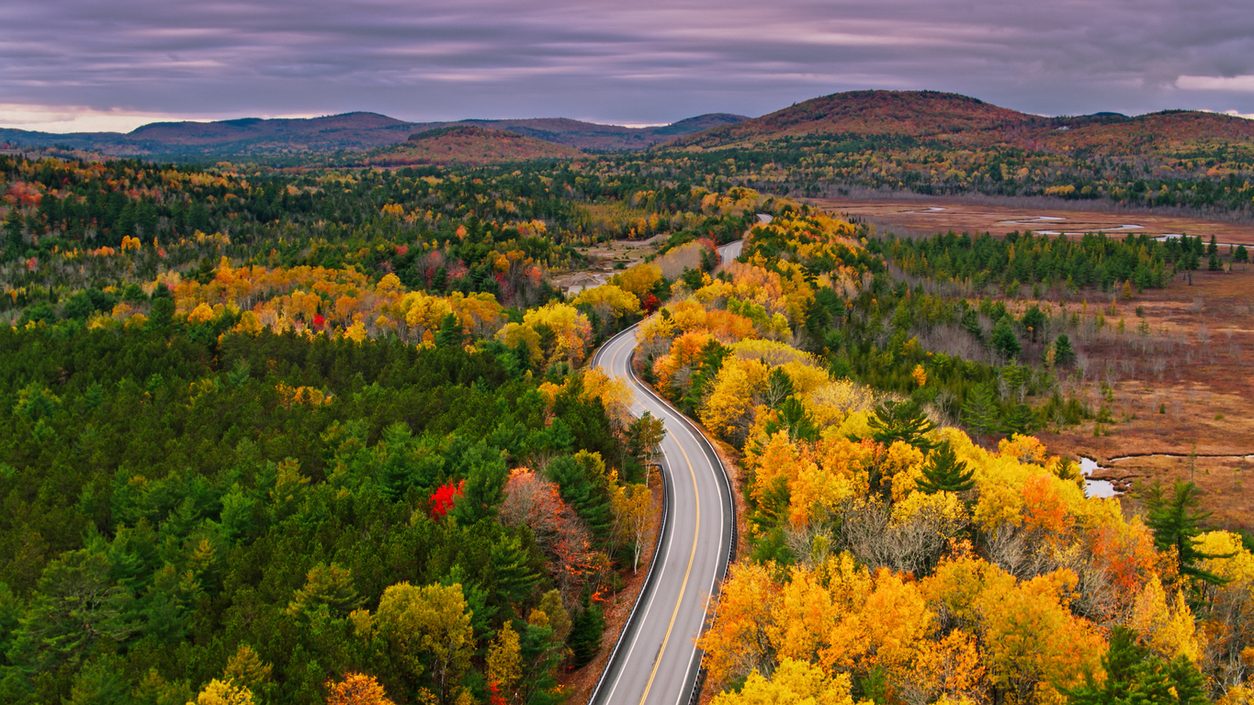
Overhanging branches are the most commonly overlooked. A truck that fits the width of your lane will still strip an upper deck vehicle against a low limb, and drivers will refuse rather than risk it.
The answer is a meeting point, and it is a normal arrangement rather than a failure. A large lot at a Thruway exit, a shopping center or a park and ride works, and agreeing one when you book removes the most common cause of a wasted trip.
Winter Changes the Answer
From December through March the valley gets real snow, and it is heavier as you go north and west into the Catskills.
Snow and ice delay trucks, and a storm anywhere on a route delays your car even when your driveway is clear. Treat a February delivery date as a range and build slack into anything that depends on it.
Snowbanks narrow every rural road by several feet, which turns a marginal driveway into an impossible one. If your address is at all tight in summer, plan on a meeting point in winter as a matter of course.
Road salt is used heavily on the Thruway. A car on an open trailer arrives coated in it, which is cosmetic on most vehicles and resolved by a wash. On a car with fresh paint, existing corrosion or genuine value, an enclosed carrier through the winter is worth the premium.
The Seasonal Lanes
The valley runs a strong seasonal pattern in both directions and it moves prices.
Florida is the heaviest lane, southbound building through October and November and northbound spiking in March and April as people return. In both peaks capacity tightens and rates rise, so book three to four weeks ahead rather than one to two.
There is a second, smaller pattern worth knowing: the valley has a large number of weekend and seasonal residents with a vehicle at each end, and those cars move in and out around the same shoulder seasons. If your dates are flexible by a week either side of the crush, it is frequently worth real money.
Open or Enclosed
Open transport carries the overwhelming majority of cars in and out of the valley and it is right for an ordinary vehicle.
Enclosed costs about a third more and earns it on a collector car, fresh paintwork or a wrap, and on a winter move where road salt is the concern. It has a further practical advantage here: enclosed carriers are frequently smaller trucks, which can reach a rural address a ten car open trailer cannot. For the wider state picture, see our New York car shipping page.
Preparing the Car
Wash it so existing marks are visible, then photograph every panel in daylight, including the wheels, the lower bumpers and the rocker panels, which are what loading marks. In winter, wash the salt off first, because a gray film hides everything.
Leave about a quarter tank of fuel. Empty the cabin and the trunk, since personal items are not covered by cargo insurance and they add weight. Fold the mirrors, disable a motion sensitive alarm, remove your toll transponder so you are not billed for the truck’s Thruway miles, and hand over a key.
At delivery, inspect before signing. Compare against your photographs and note anything unexpected on the bill of lading while the driver is present. If the car arrives after dark or in heavy weather, write on the paperwork that a full inspection was not possible before you sign.
Common Questions
Can a hauler reach my rural driveway? Often not. Gravel drives, tight turns from county roads, overhanging trees and weight limited creek bridges all stop a 75 foot truck. Agree a meeting point when you book.
Where do meetings usually happen? A large lot at a Thruway exit, a shopping center or a park and ride.
How long does it take? Two to four days to the South, five to seven to the West Coast, once the car is collected.
When is it most expensive? October and November southbound, March and April northbound, which is the Florida season.
Is enclosed worth it here? For a valuable car or a winter move, yes. It also helps on a rural address because enclosed carriers are often smaller trucks.
Get a Quote
Call Ship A Car, Inc. at (866) 821-4555 with both zip codes, your date range and an honest description of the access at your address, or price the move with the instant calculator.