
How to Ship a Car from Arizona to Upstate New York
Arizona to upstate New York is around 2,300 miles and it is the classic snowbird lane run backwards, which is exactly why the timing matters more than anything else. The corridor is well served in both directions, but the price and the availability swing hard with the season, and the two climates at either end ask different things of the vehicle.
The Route
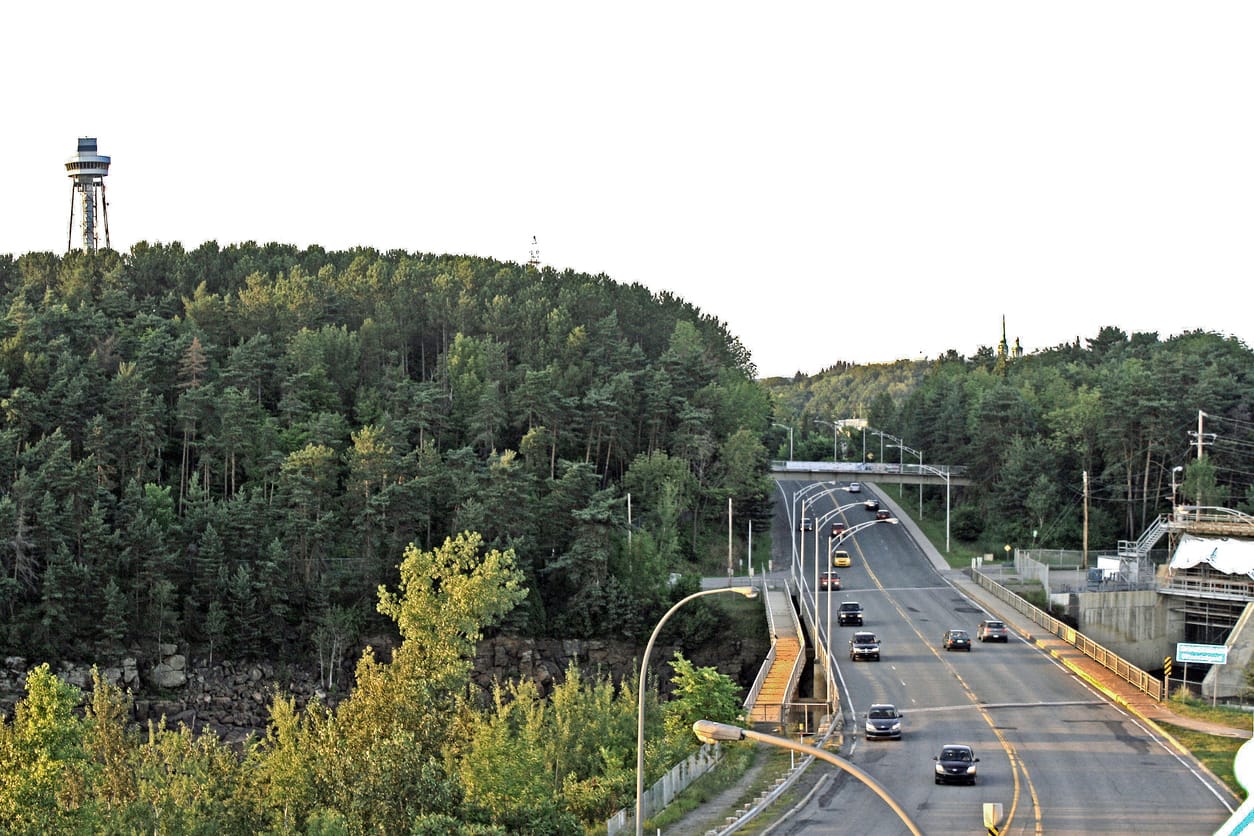
Carriers generally run Interstate 40 east from Arizona, then pick up Interstate 44 or Interstate 70 through the Midwest before turning northeast, or take Interstate 10 east and climb north through the Appalachian corridors.
Those are major freight routes, so the mileage is ordinary work. The complication is at the New York end rather than in between: upstate is a large area with many destinations well off the interstate system, and the difference between a delivery near Interstate 90 and one an hour into the Adirondacks is real.
Transit is roughly five to eight days once the vehicle is collected, plus a few days for a carrier to be assigned. Treat the delivery date as a range rather than an appointment.
Season Is the Biggest Lever
This lane has a pronounced rhythm and knowing it is worth real money.
Southbound demand toward Arizona builds through October and November as seasonal residents head for warmth. Northbound spikes in March and April as the same people return. If you are shipping from Arizona to New York in spring, you are moving in the direction everyone else is moving, and rates reflect it.
Summer collides with the general moving season, which is when the entire industry is busiest. The quietest windows on this lane are usually late winter and mid autumn, and shifting by a fortnight either side of a peak frequently saves more than any negotiating will.
Book three to four weeks ahead in a peak, one to two otherwise, and give a range of pickup days rather than a fixed date.
Two Climates, Two Problems
The vehicle experiences a genuine change and it is worth preparing for.
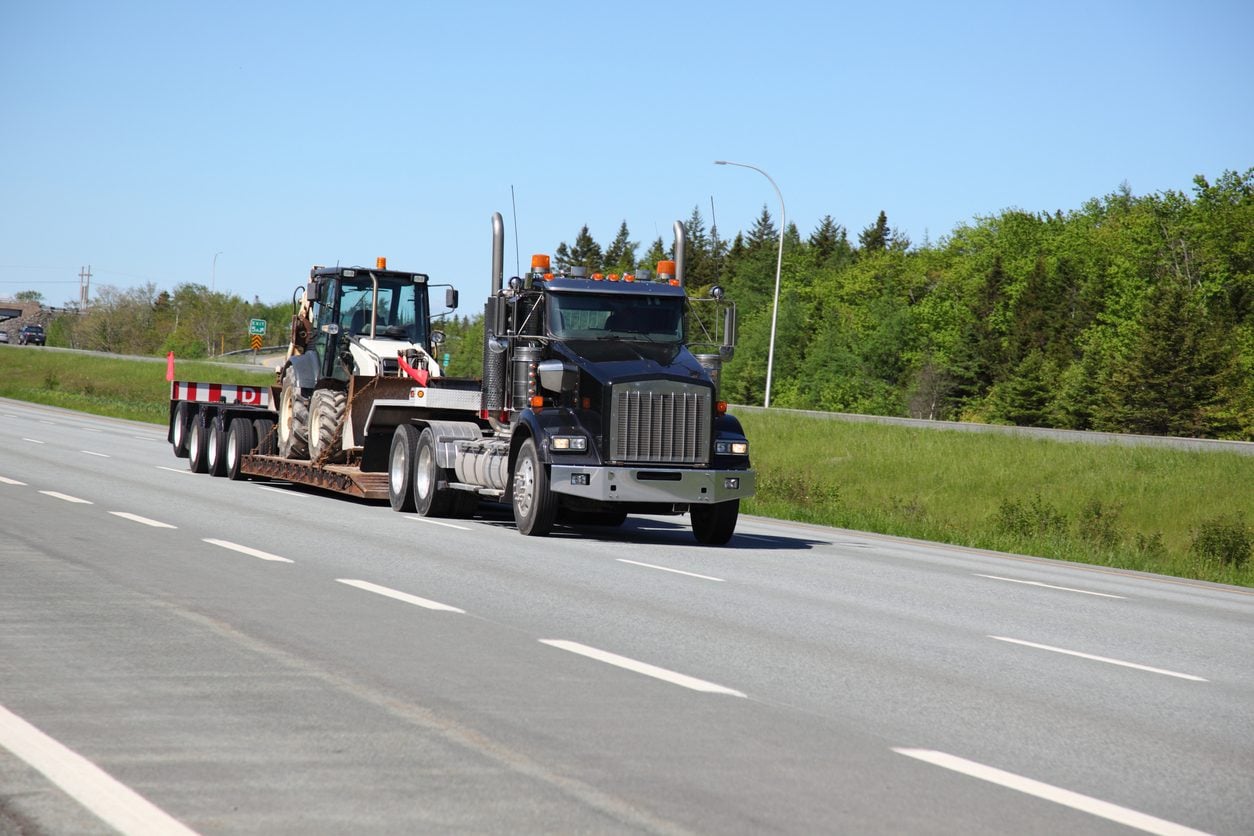
Leaving Arizona. Sustained sun and heat are hard on paint, dashboards and interior trim, and a car that has spent years there frequently has degraded rubber seals and hoses even if it looks fine. Have the coolant and belts checked before it ships. Empty the cabin completely before a summer pickup, because interior temperatures on an open deck crossing the Southwest are extreme and anything that can melt or burst will.
Arriving upstate. Winter there is long and genuinely cold, and a car that has never seen it is not ready. Have the battery tested, the coolant concentration checked and the tires assessed before the car ships rather than after it arrives. A battery that is fine in Phoenix fails on the first cold morning in Syracuse.
Road salt is the other factor. It is used heavily across upstate New York and it attacks the underside over a season. Undercoating is worth considering, and washing the underside regularly matters more than washing the paint.
Winter Delivery Is a Range, Not a Date
From roughly December through March, lake effect snow off Ontario and Erie closes roads across upstate New York with very little notice, and Interstate 90 is affected regularly.
A loaded car hauler is among the first things to stop moving when conditions deteriorate, and that is a driver making a sensible decision rather than a failure. Build slack into a winter schedule and avoid a fixed delivery date you cannot move.
If your destination is rural, consider that the last few miles may be the problem rather than the interstate. An unplowed road or a long unsurfaced drive is not somewhere a 75 foot vehicle goes.
Where the Truck Can Meet You
The Arizona end is generally easy. Phoenix and Tucson are sprawling cities with wide roads, though gated communities frequently restrict commercial vehicles regardless of physical room.
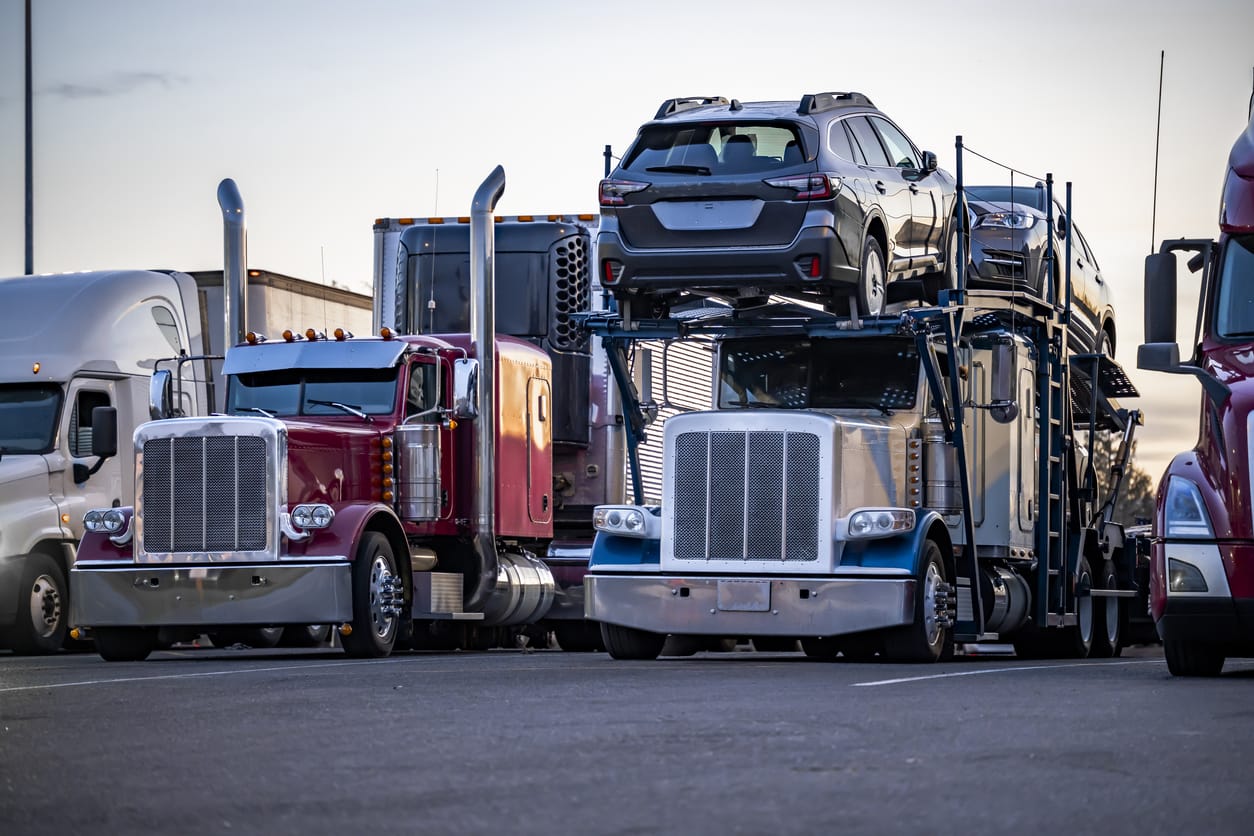
Upstate New York is more variable. Cities and suburbs take a full size hauler without difficulty. Rural roads, long unsurfaced drives, low branches and small village streets frequently do not.
Where access is tight, a meeting point at a large retail lot near an interstate exit is the normal answer and worth agreeing when you book. It is also worth being honest about the surface at your address in winter, since a hauler on ice on a slope is a problem nobody wants.
Open or Enclosed
Open transport carries the overwhelming majority of vehicles and is right for an ordinary car.
Enclosed costs about a third more and has a specific argument on this lane in winter: it keeps the vehicle off a salted road surface behind other traffic for the whole trip. On a collector car, fresh paintwork or anything with real value going north in February, that is a reasonable choice.
Preparing the Car
Wash it so existing marks are visible, then photograph every panel in daylight, including the wheels, the lower bumpers and the rocker panels, which are what loading marks.
Leave about a quarter tank of fuel. Empty the cabin and the trunk, since personal items are not covered by cargo insurance and they add weight. Fold the mirrors, disable a motion sensitive alarm, remove a toll transponder and hand over a key.
At delivery, inspect before signing, compare against your photographs, and note anything unexpected on the bill of lading while the driver is still present. If it arrives after dark or in snow, write on the paperwork that a full inspection was not possible before you sign. Our guide to shipping in extreme weather covers the seasonal risks.
Common Questions
How long does it take? Five to eight days in transit once collected, plus a few days for a carrier to be assigned.
When is it cheapest? Late winter and mid autumn. Spring northbound is the snowbird peak and prices firm accordingly.
What should I do before shipping north? Have the battery, coolant and tires checked in Arizona rather than discovering the problem in a New York winter.
Will winter delay delivery? It can. Lake effect snow closes roads across upstate with little notice. Treat the date as a range.
Can the truck reach a rural address? Often not. Long drives, low branches and unplowed roads mean a meeting point near an interstate exit.
Get a Quote
Call Ship A Car, Inc. at (866) 821-4555 with both zip codes and your date range, or request an estimate for the move through the quote calculator.