Shipping a Car for the First Time: What to Expect
Almost everything that goes wrong on a first vehicle shipment traces back to three things: an inaccurate description, a date with no flexibility, and an address a 75 foot truck cannot reach. Get those right and the rest is administration. This is what actually happens, in the order it happens.
Describe the Vehicle Accurately
A quote is built from four facts, and getting any of them wrong is what causes a price change on pickup day.
Both zip codes rather than city names, because rates follow corridors. The year, make and model, because size and weight decide how much of a trailer you take up. Whether the vehicle runs, steers and brakes, because an inoperable vehicle needs a winch and an equipped carrier. And your dates, given as a range.
Then declare modifications. A lift kit, oversized tires, a roof rack, a camper shell, a low front lip or a spoiler all change dimensions or how the vehicle is loaded. Measure the height as it actually stands if it has been raised.
Give a Range of Dates, Not a Day
This is the single cheapest improvement available to a first time shipper.
Your vehicle is matched to a truck already forming a route. A three day pickup window lets a carrier fit you into a run that works; a single fixed day means waiting for a truck whose schedule happens to align exactly. The window usually costs less and moves sooner.
Book one to two weeks ahead in ordinary conditions. Make it three to four in summer, which is the industry peak, or around the seasonal snowbird windows in autumn and spring.
Work Out Where the Truck Can Actually Stop
A loaded car hauler is around 75 feet long and 13 feet 6 inches tall, and this catches more first time shippers than anything else.
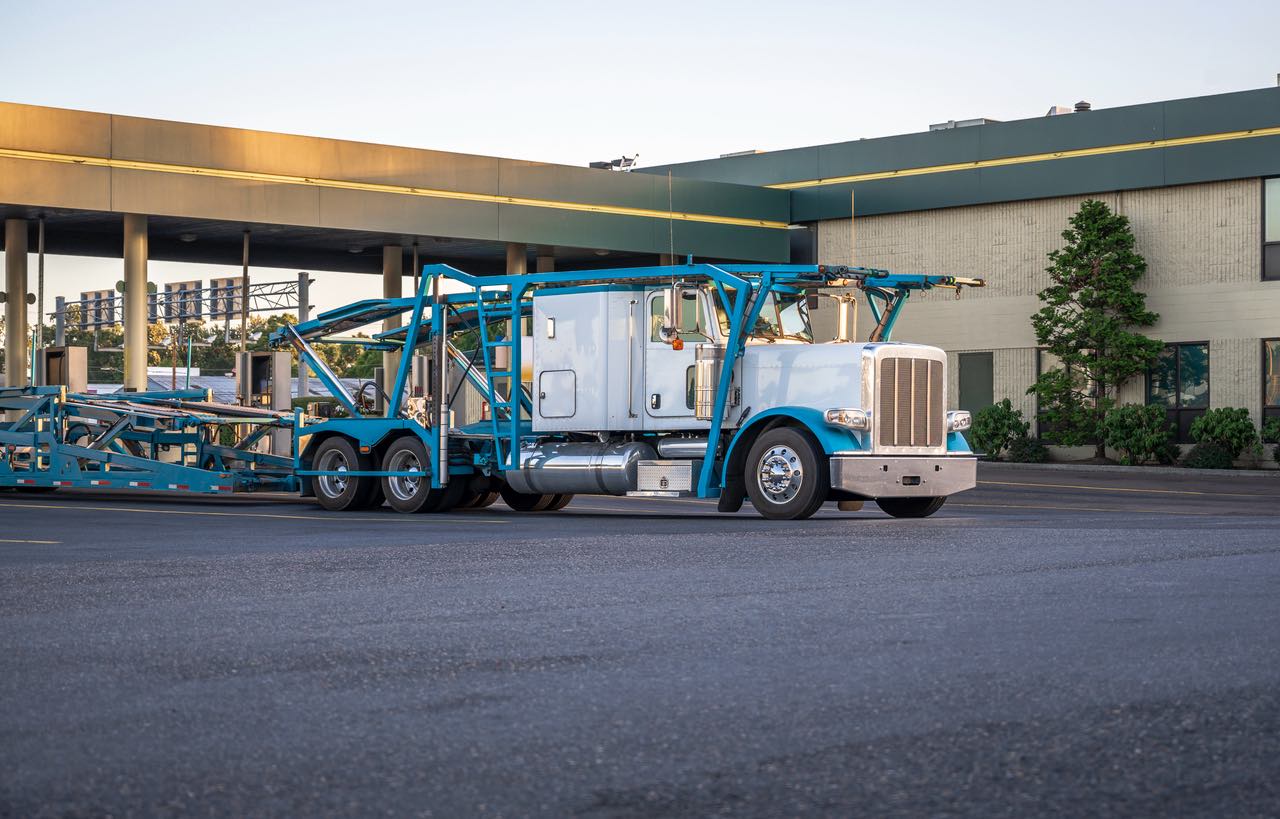
Narrow residential streets, cul-de-sacs with no turning room, low branches, gated communities, condominium complexes and city centers are all places a full size truck either cannot go or is not permitted to stop. Drivers decline rather than risk damage or a citation.
The answer is a meeting point: a large retail lot near a highway exit, usually a few minutes away. This is standard practice rather than a failure of service, and agreeing it when you book removes the most common cause of a wasted trip and a rescheduling fee.
Door to Door and Terminal to Terminal
Door to door means the driver gets as close to your address as the truck legally and safely can, which is the meeting point caveat above. It is what most people choose.
Terminal to terminal means you drop the vehicle at a yard and collect it from another. It can be cheaper, and it suits a flexible schedule, but it adds a trip at each end and storage charges accrue if you cannot collect promptly. For a first shipment, door to door is usually the simpler choice.
Open or Enclosed
Open transport carries the overwhelming majority of vehicles. Ten cars on a two level trailer is what keeps the price where it is, and it is right for an ordinary car.
Enclosed costs about a third more and earns it on a collector vehicle, fresh paintwork or a wrap, a car low enough to need a lift gate rather than ramps, or a winter move where road salt is the concern. It is not necessary simply because a car is new.
Checking Who You Are Actually Hiring
This takes about five minutes and it is the most useful thing a first time shipper can do.
Every interstate carrier and broker must be registered with the Federal Motor Carrier Safety Administration. Carriers hold a USDOT number; brokers hold that plus an MC number and a surety bond. All of it is publicly searchable.
Ask for the number rather than accepting a company name, because names change and numbers do not. Confirm the authority is active rather than pending or revoked, and that the insurance on file matches what you were told. If you booked through a broker, ask for the assigned carrier’s name and number once it is booked, since that is who signs your bill of lading and who any claim sits with.
On insurance, ask one specific question: what is the cargo policy’s per-vehicle limit. Liability insurance covers what the truck does to other people; cargo insurance covers your car. For an ordinary vehicle the limit is never the constraint, and for a valuable one it sometimes is.
Preparing the Vehicle
Half an hour of preparation is what protects you if anything is disputed later.
Wash it so existing marks are visible, then photograph every panel in daylight, including the wheels, the lower bumpers and the rocker panels, which are what loading marks. Photograph the odometer.
Leave about a quarter tank of fuel. Empty the cabin and the trunk completely, since personal items are not covered by cargo insurance, they add weight and they shift in transit. Fold the mirrors, disable a motion sensitive alarm, remove the toll transponder and hand over a physical key rather than a phone.
Check the battery. A car that starts every morning may not start after a week standing on a trailer, and a vehicle that will not move under its own power at delivery is handled as inoperable.
Pickup, Transit and Delivery
At pickup the driver inspects the vehicle with you and records its condition on the bill of lading. Walk around it together, make sure existing damage is described specifically rather than as general wear, and keep your copy. That document decides any dispute.

Transit is roughly one to three days regionally, three to five across half the country and seven to ten coast to coast, once collected. You will be given a delivery window rather than a time, because federal rules limit driving hours and a driver who runs out stops for the night.
At delivery, inspect before signing, in daylight if you can. Compare against your photographs and write any discrepancy onto the bill of lading while the driver is present. Our guide to what affects the cost of shipping a car explains the pricing in more detail.
Common Questions
How far ahead should I book? One to two weeks normally, three to four in summer or the seasonal peaks, always with a range of pickup days.
Will the truck come to my door? As close as it legally and safely can. Narrow streets, gated communities and city centers usually need a meeting point nearby.
Can I leave things in the car? No. Personal items are not covered by cargo insurance, they add weight and they move in transit.
Why is delivery a window? Federal hours of service limit driving time and are recorded automatically. A driver out of hours stops, whatever distance remains.
Is the cheapest quote the best? Rarely. Carriers pick loads from a live board, and a below-market rate sits unaccepted while your dates slip.
Get a Quote
Call Ship A Car, Inc. at (866) 821-4555 with both zip codes, the vehicle details and your date range, or request an estimate for the move through the quote calculator.