Two ten minute windows decide whether you have a claim or an argument: the walkthrough at pickup and the one at delivery. Everything else, the insurance certificate, the carrier’s reputation, the photographs on your phone, matters only insofar as it supports what is written on the condition report. That document is signed by both you and the driver, it records what the car looked like at each end, and it is very difficult to revisit once you have signed it clean. Getting those twenty minutes right is the single most valuable thing you can do.
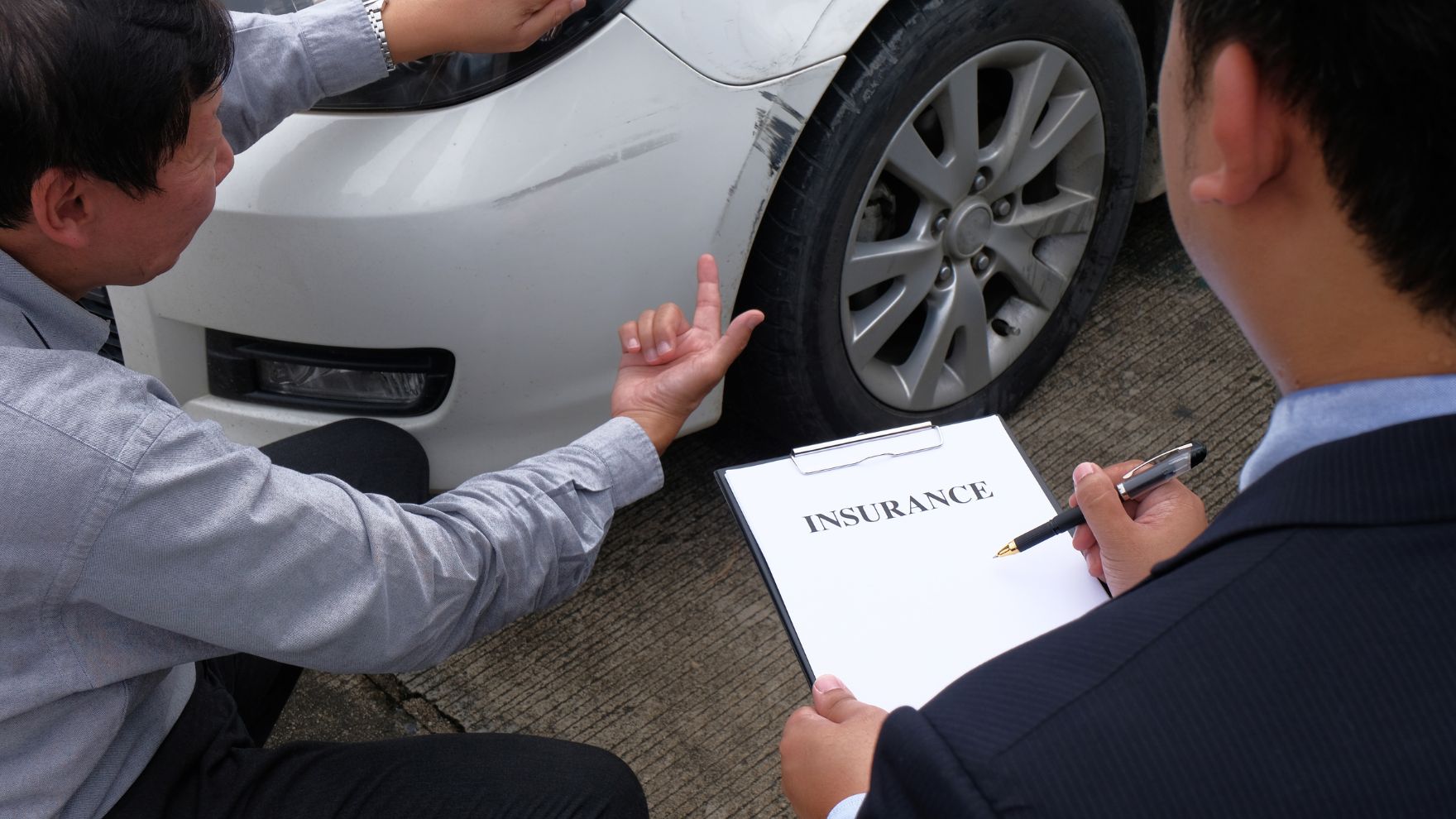
What the Condition Report Actually Is
Also called the bill of lading, it is the legal record of the vehicle’s condition when the carrier took it and when they handed it back. The driver marks existing damage on a diagram, notes the odometer, and you both sign.
Its weight comes from being contemporaneous and mutual. A photograph you took alone proves the car had a scratch at some point. A signed report proves both parties agreed the scratch existed at pickup, or agreed it did not. That difference is what a claim turns on.
Read what you are signing rather than initialing it in the rain. If the driver has marked damage you do not recognize, ask him to show you before you agree.
Before the Driver Arrives
Do this the day before, not while a truck idles at the curb.
Wash the car. This is not cosmetic. Dirt and road film hide exactly the marks you need documented, and a driver cannot record damage nobody can see. A clean car also makes new damage obvious at the far end.
Photograph in daylight. Bright overcast is ideal. Direct sun creates glare that hides scratches, and dusk or artificial light produces photographs that prove very little.
Include something that dates the images. Most phones record this automatically, but check that the timestamp is on and correct, because a photograph with no date is easy to dispute.
The Photographs Worth Taking
- All four sides from about six feet back, so the whole panel and its context are in frame.
- Each corner at an angle, which catches dents that flat shots miss.
- The roof. Nearly everyone skips it, and it is where hail and tree debris land. Stand on a step if you need to.
- All four wheels and tires, including the faces of the rims, which scuff easily during loading.
- Close ups of every existing mark, with something for scale if it is significant.
- The odometer and dashboard with the ignition on, recording mileage and any warning lights.
- The interior, front and back, showing that it is empty and in what condition.
- Under the front and rear if the car is low, since ramp contact is a real risk on lowered vehicles.
It takes about ten minutes and it is the entire foundation of any dispute you might later have.
The Walkthrough at Pickup
Walk the car with the driver rather than handing over the keys and going inside. Point out marks you want recorded and check they appear on the diagram. Note the fuel level and odometer together.
Mention anything the driver needs to know operationally: a battery that is weak, a parking brake that sticks, low ground clearance, an alarm that triggers easily, or a quirk in how the car starts. That is not part of the condition report but it prevents the kind of incident the report would then have to record.
Keep your copy. Photograph it as well, because paper travels badly.
At Delivery, Inspect Before You Sign
This is the half people get wrong, usually because the car arrives at an awkward hour and everyone wants to be finished.
Do not sign first. Once you have signed a clean report you have formally stated the vehicle arrived undamaged, and reopening that is very hard regardless of what your photographs show.
Work through it in the same order you photographed: all four sides, the corners, the roof, the wheels and rims. Compare against the pickup report rather than against memory. Start the engine, check that lights and electronics work, and look at the odometer, since a large unexplained increase is worth asking about.
If it is dark or raining, use a flashlight and take your time. A driver in a hurry is not a reason to skip it, and any reputable carrier expects the inspection.
If You Find Damage
Write it on the bill of lading before signing, in specific terms. “Scratch” is weak. “Four inch scratch, lower right rear door, not present at pickup” is strong.
Photograph it immediately, in place, with the truck still visible in at least one frame. Get the driver’s name and the carrier’s name from the paperwork. Then contact your transport coordinator the same day rather than the following week, and send the pickup photographs alongside the delivery ones.
Damage claims are uncommon, and the ones that resolve cleanly are almost always the ones where the customer did exactly this.

If Someone Else Receives the Car
Perfectly normal, and it needs a little preparation. Whoever stands in for you must understand that signing a clean report is a formal statement about the car’s condition, not a receipt for delivery.
Send them your pickup photographs and the condition report in advance, ask them to photograph the car on arrival before signing, and make sure they know to call you if anything looks wrong. Give the carrier their name and number when you book so there is no confusion at the door.
Common Questions
Why does the car need washing first? Dirt hides existing marks, so neither the driver nor your photographs can record them accurately.
What if I sign and find damage later? Much harder to pursue. A signed clean report states the vehicle arrived undamaged, which is why the inspection comes first.
Is the driver’s diagram enough on its own? It is the formal record, but your dated photographs are what make it persuasive. Do both.
What if it is dark at delivery? Use a flashlight and take the time. Note on the report that conditions were poor if you cannot inspect properly.
Should I photograph the interior? Yes, to show it was empty and in what condition. Personal items are not covered by cargo insurance.
Get a Quote
Call Ship A Car, Inc. at (866) 821-4555 with any questions about the inspection process, or request an estimate for your move through the quote calculator.