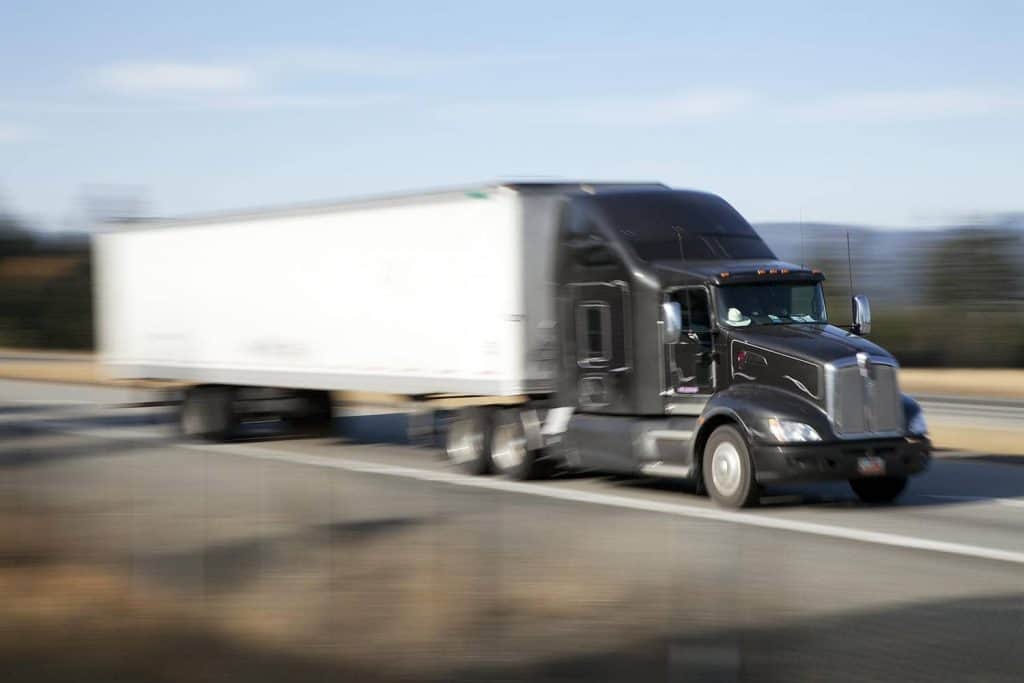
Vehicle Transport Options: How to Choose
There are only four real decisions in booking vehicle transport, and everything else is detail: open or enclosed, door to door or terminal, standard or expedited, and broker or carrier. Get those four right for your situation and the price and the experience both follow. Most people overthink the first and never consider the fourth.
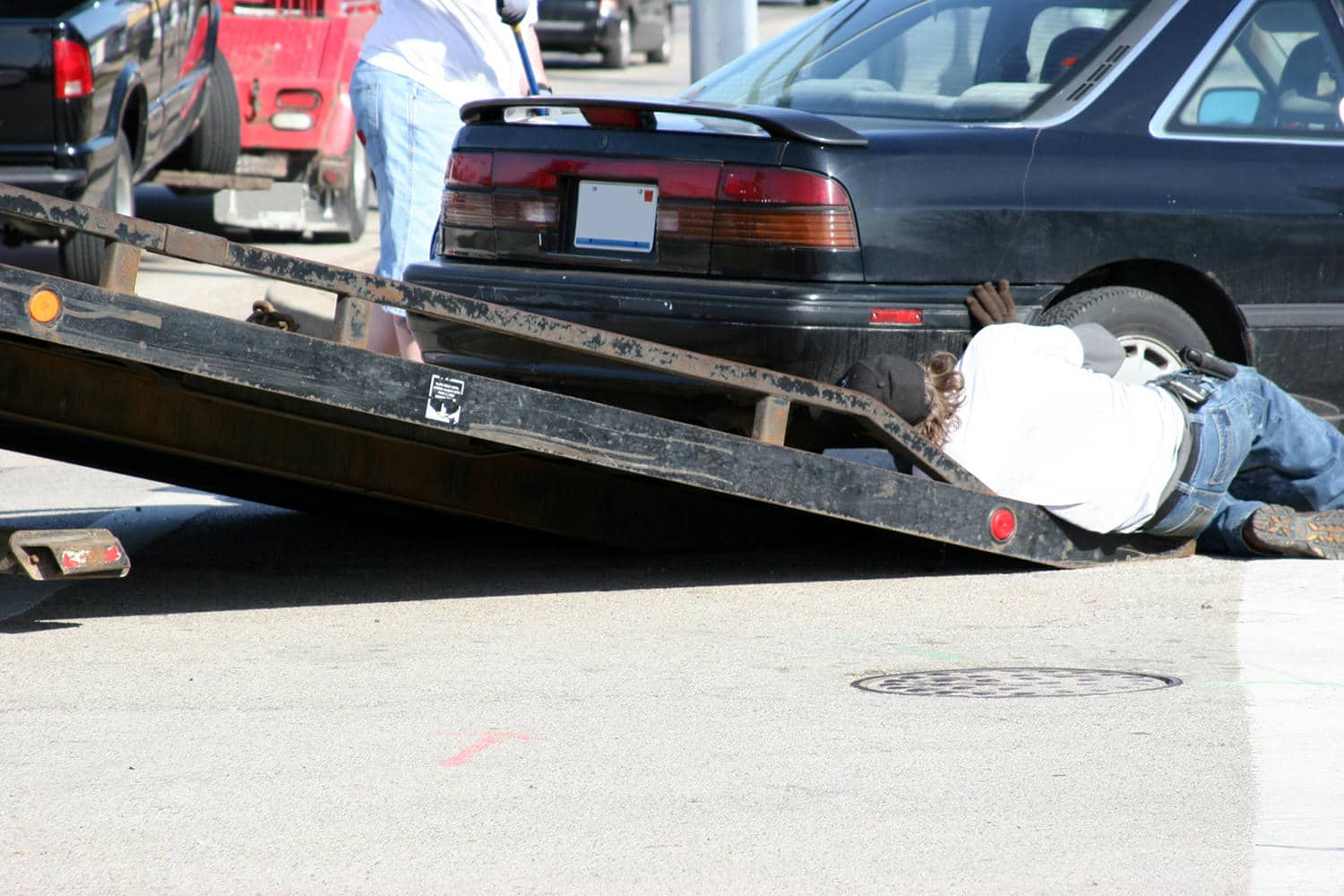
Open or Enclosed
Open transport is the default and it carries the overwhelming majority of vehicles in this country, including nearly every new car delivered to a dealership.
The vehicle travels on a multi level trailer exposed to weather and road debris, alongside up to nine others. It is the cheapest option, the most widely available, and it is what makes assignment fast, because there are far more open trailers than enclosed ones. For an ordinary vehicle it is the right answer and the risk is genuinely low.
Enclosed transport puts the vehicle inside a covered trailer, typically with two to six others. It costs about a third more and it buys three things: protection from weather and debris, protection from view, and usually a hydraulic liftgate that loads a low car at zero approach angle.
Choose enclosed for a collector or exotic car, fresh paintwork, a wrap, a genuinely low vehicle, or a winter move through the salt belt on something you care about. Choose open for everything else. Our fuller comparison of open and enclosed shipping covers the trade in more depth.
Door to Door or Terminal to Terminal
Door to door is what most people book and the name oversells it slightly.
It means the driver gets as close to your address as a 75 foot truck safely and legally can. On a suburban street that is usually the curb outside. On a narrow city street, a gated community or a rural lane with overhanging trees, it means meeting at a nearby lot. That is normal rather than a downgrade, and agreeing the meeting point when you book avoids the whole problem.
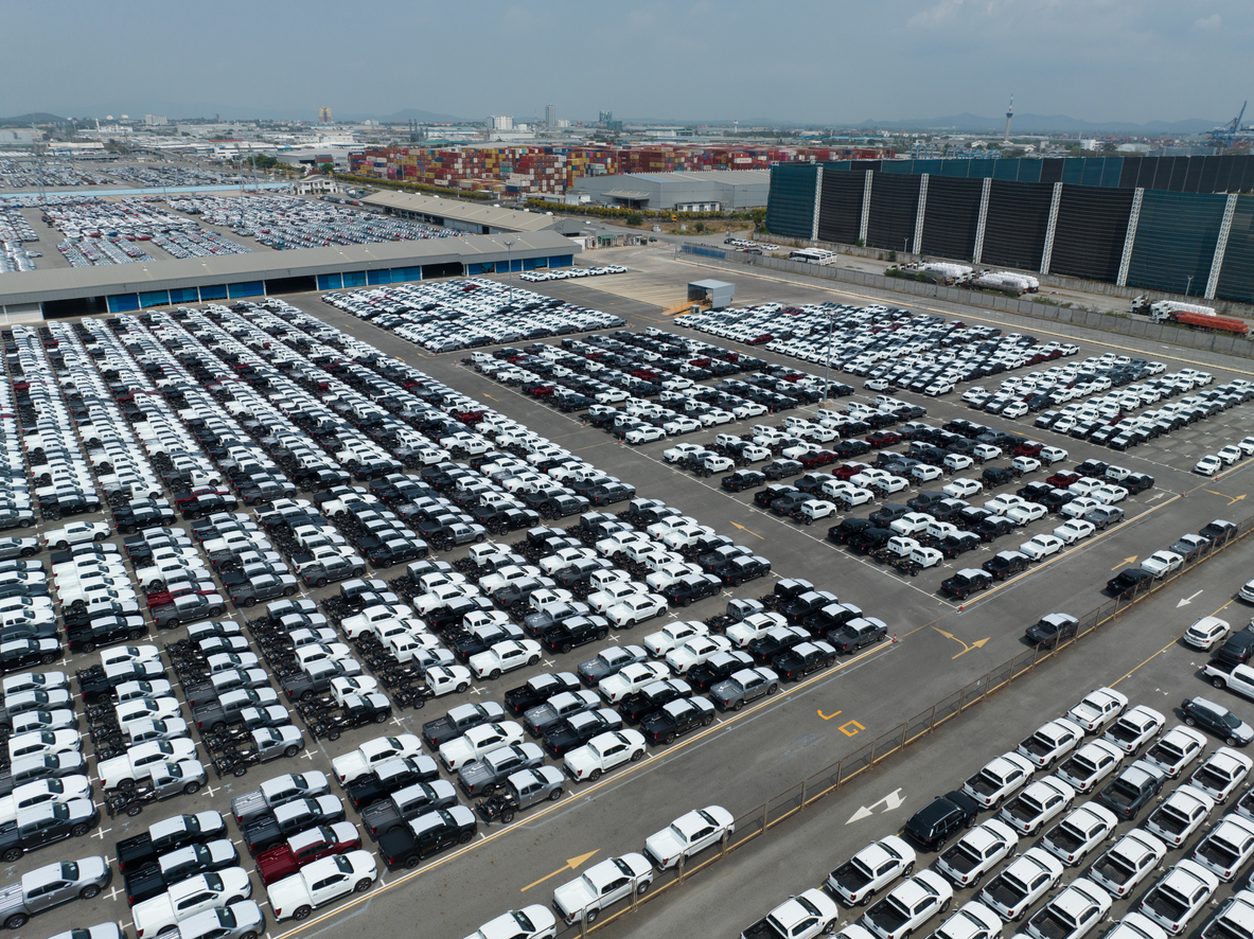
Terminal to terminal means you deliver the vehicle to a carrier’s yard and collect it from another. It can be cheaper and it can be quicker to assign, because the carrier avoids a difficult pickup. What it costs you is two trips and, if you cannot collect promptly, storage fees. It suits people with flexible time and a terminal genuinely nearby.
The price gap between the two is often smaller than people expect. Ask for both quotes rather than assuming terminal is the economical choice.
Standard or Expedited
This decision is about which half of the timeline you are buying.
A vehicle shipment has two phases. Assignment is the wait between booking and a truck arriving, typically one to seven days, and it is the variable part. Transit is mostly fixed, because a driver covers 400 to 500 miles a day under federal hours of service rules and no amount of money changes that.
Expedited service mainly compresses assignment, by posting the vehicle at a rate high enough that drivers take it immediately. Expect pickup within 24 to 48 hours and a premium of roughly 25 to 50 percent. Transit is unchanged, because it is the same truck on the same route.
Only team drivers genuinely shorten transit, by keeping the vehicle moving nearly around the clock. That is the most expensive option and the only one that beats the clock coast to coast.
If your deadline is three weeks out, a standard booking with flexible dates will almost certainly beat it, and the premium buys nothing.
Broker or Carrier
This is the decision most people never consciously make, and it is worth understanding.
A carrier owns trucks and hauls vehicles. A broker arranges transportation provided by carriers. Both are legitimate and properly licensed, and most vehicle shipments involve both.
Going direct to a carrier can work when that carrier happens to run your exact lane on your timeline. The limitation is coverage: any single carrier runs a finite set of routes, and on an unusual lane you may wait a long time for a truck that fits.
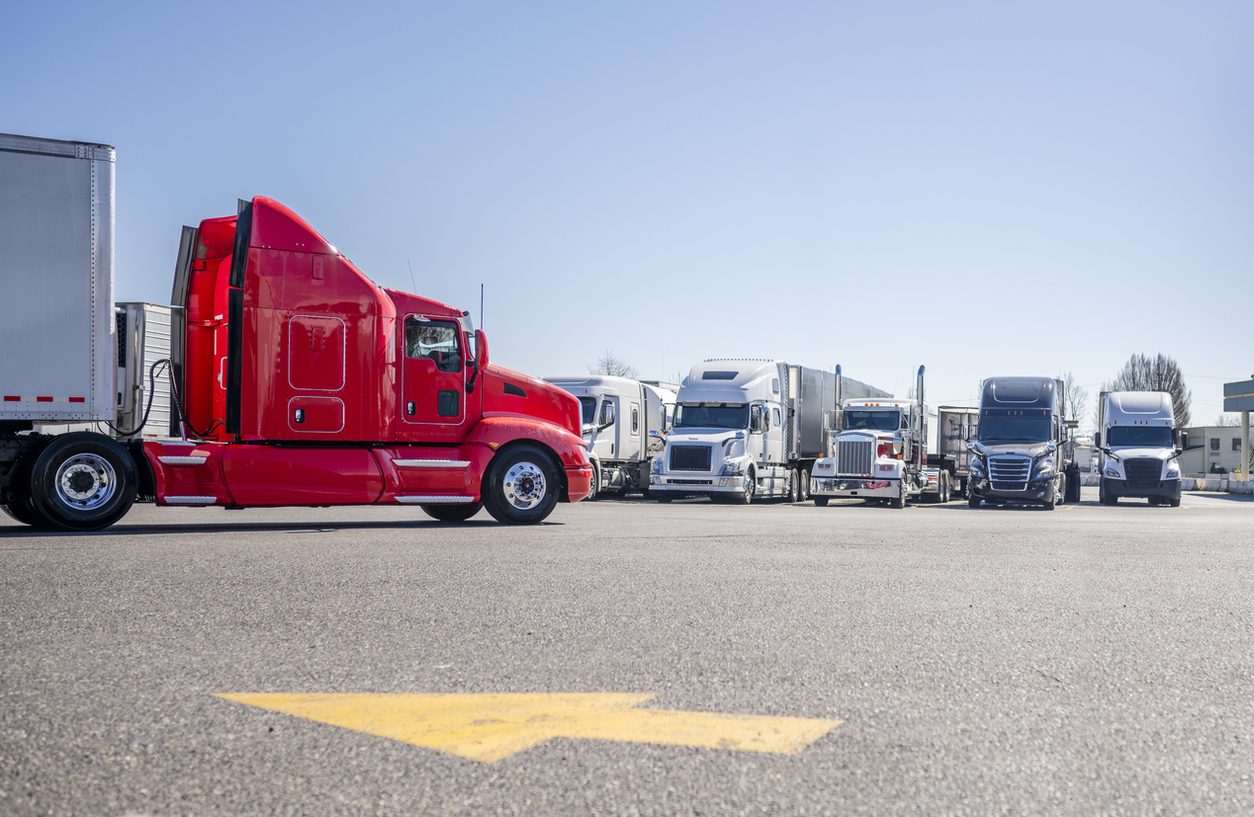
A broker has access to thousands of carriers and finds one already running your route with a slot to fill, which is why assignment is usually faster and pricing competitive. What you are buying is the matching and the vetting.
Either way, check the company on the FMCSA register before you book, and ask which carrier is assigned once it is. Our guide to USDOT and MC numbers explains how to run that check in two minutes.
What Actually Drives the Price
Five factors, in roughly descending order of influence.
Distance is the largest, though price per mile falls as distance rises: a 2,500 mile move costs far less per mile than a 250 mile one. Vehicle size and weight come next, because a hauler is limited by both deck space and an 80,000 pound gross limit, which is why a pickup costs 20 to 40 percent more than a sedan.
Route matters more than people expect. A move between two metropolitan areas on a major corridor is cheap because carriers are already running it. A rural origin or destination means a detour somebody has to be paid for.
Timing is the fourth: seasonal peaks, particularly the Florida and Arizona snowbird lanes in fall and spring, and the summer moving season, all move prices. And whether the vehicle runs is the fifth, since an inoperable car needs a winch equipped carrier and costs more.
What to Have Ready When You Call
A quote is only as accurate as what it is based on.
Have both zip codes, the year, make and model, whether it runs, any modification that changes the height or length, and a range of dates rather than one. Say honestly whether the address is difficult, because a quote given for easy access and executed at a narrow rural drive is a quote that changes.
Then prepare the vehicle: wash it, photograph every panel in daylight, leave about a quarter tank of fuel, empty it completely, and inspect against your photographs before signing at delivery.
Common Questions
Is enclosed worth the extra? For a collector car, fresh paint, a wrap, a very low vehicle or a winter salt belt move, yes. For an ordinary car, open is right.
Does door to door mean my driveway? It means as close as a 75 foot truck can legally and safely get. On tight streets that is a nearby lot, agreed in advance.
Does paying more make it arrive sooner? It speeds up finding a truck, not the driving. Only team drivers shorten transit.
Is a broker or a carrier better? A broker gives access to far more trucks and usually faster assignment. A carrier can be right if they already run your exact lane.
What is the single biggest price factor? Distance, followed by vehicle size. Route, timing and whether it runs come next.
Get a Quote
Call Ship A Car, Inc. at (866) 821-4555 with both zip codes, the vehicle and a range of dates, or price the move with the instant calculator.