Auto Shipping Insurance: What Is Covered, What Is Not, and What to Ask For
Every legitimate auto transport carrier is required to hold cargo insurance, and it covers less than most customers assume. It covers the vehicle, in transit, up to a limit per load. It does not cover what is inside the vehicle, and it does not make every kind of damage claimable.
Here is how the coverage actually works, the two numbers that matter, and what to ask for before a truck arrives.

Two Separate Policies
Carriers hold two distinct kinds of coverage and they do different jobs.
Liability insurance covers damage the truck causes to other people and property. Interstate carriers are required to carry it at federally set minimums. It is not what pays for damage to your car on the trailer.
Cargo insurance is the one that matters to you. It covers the vehicles being carried, and unlike liability there is no single federal minimum for auto transport, so the limit varies from carrier to carrier.
When a company says it is “fully insured,” ask which policy and what the cargo limit is. That is the question the phrase is usually avoiding.
The Limit Is Per Load, Not Per Car
This is the single most important thing to understand and the most commonly missed.
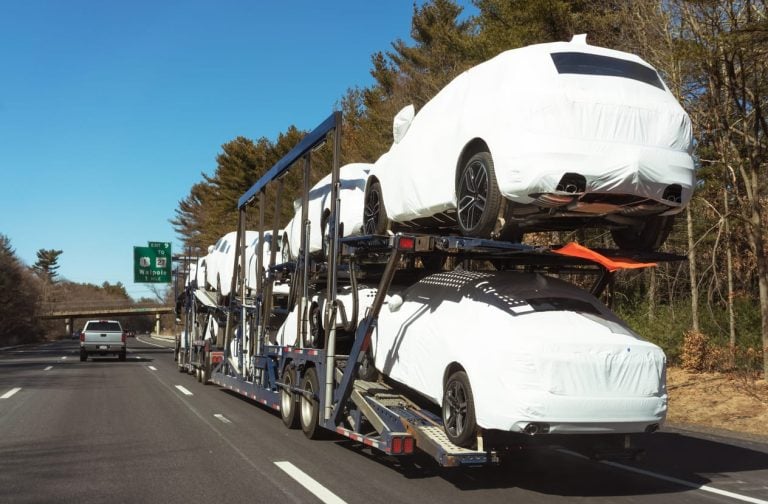
A cargo policy has a limit for the entire trailer. If that limit is $250,000 and the trailer is carrying nine vehicles, the coverage available in a total loss is $250,000 across all nine, not per vehicle.
For nine ordinary cars that is usually adequate. For a valuable classic, an exotic, or a new luxury vehicle it may not be, particularly if the rest of the load is also valuable. This is exactly why enclosed carriers typically carry much higher cargo limits and fewer vehicles, and it is a large part of what the enclosed premium buys.
So the two numbers to get are the cargo limit and, if your vehicle is valuable, how many vehicles are on the load.
What Is Not Covered
Five exclusions come up repeatedly, and knowing them in advance prevents nearly all disputes.
Personal belongings. Cargo insurance covers the vehicle, not its contents. Items left inside are uninsured, they shift in transit, and they add weight the carrier is not licensed to haul. Empty the car completely.

Pre existing damage. Anything recorded on the condition report at pickup is excluded, which is precisely why that document and your own photographs matter so much.
Acts of God. Hail, flood, falling trees, wildfire and similar are commonly excluded or limited on open transport, because the carrier did not cause them. If that exposure concerns you, enclosed transport is the answer rather than a different policy.
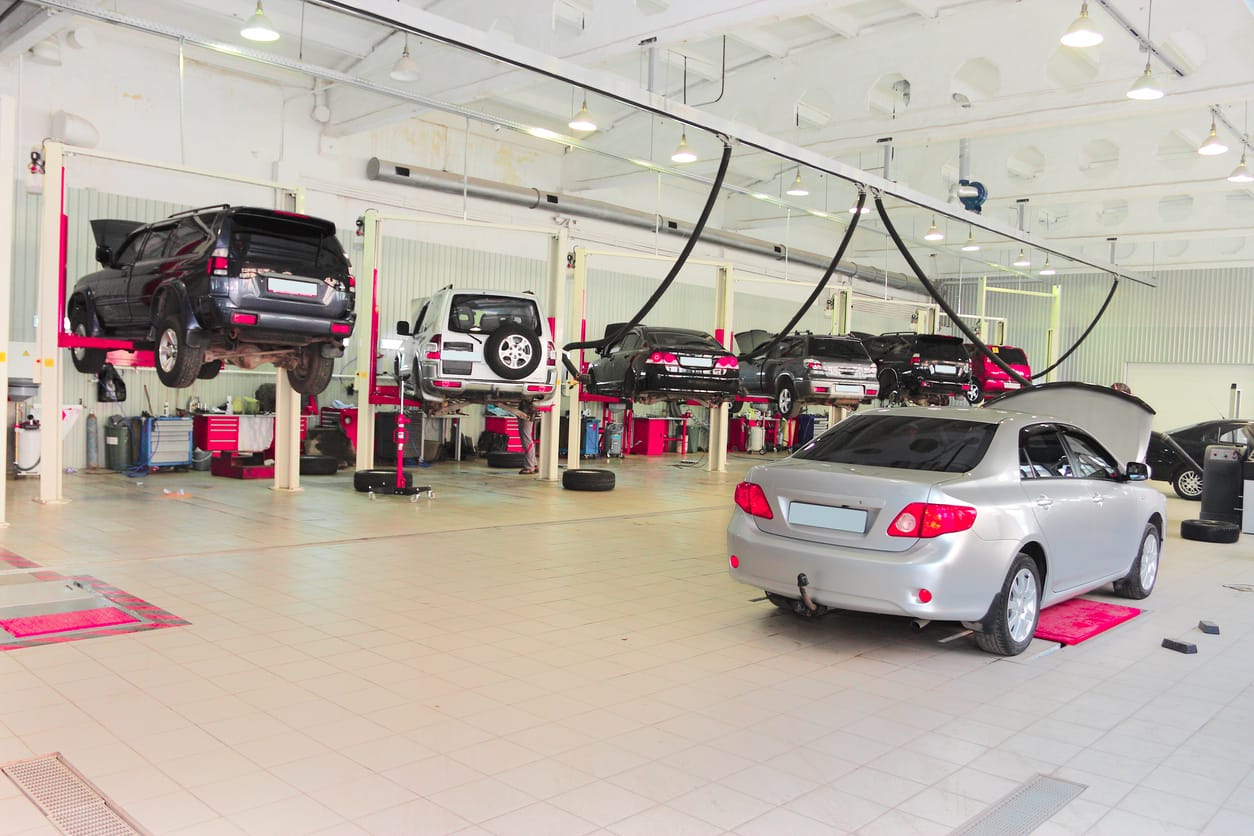
Mechanical and electrical failure. A battery that goes flat over eight days, a component that fails on its own, or a fluid leak that was developing before pickup are not transit damage.
Loose or unsecured items on the vehicle. An unsecured roof rack, a soft top left partly latched, or trim that was already loose. Anything you were asked to secure and did not is generally your exposure.
Your Own Policy May Extend to Transit
Worth one phone call before you ship.
Many comprehensive auto policies provide some coverage while a vehicle is being transported, and collector and agreed value policies frequently do so explicitly. Ask your insurer two direct questions: does my policy cover the vehicle while it is on a carrier, and does it cover the full value or a depreciated one.
Where there is a gap between the carrier’s available cargo limit and your vehicle’s value, the options are to request a carrier with higher limits, to use enclosed transport, or to arrange supplemental coverage for the move. All three are ordinary requests.
What to Ask For Before Booking
Four things, and a legitimate company provides all four without hesitation.
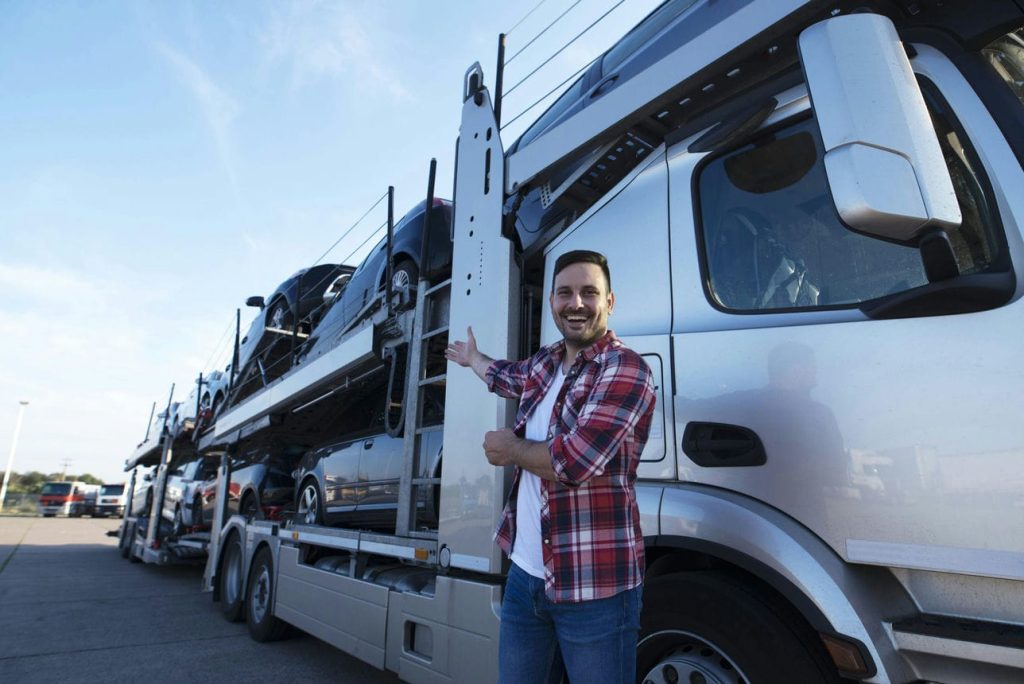
The certificate of insurance, which names the insurer, the policy period and the cargo limit. The USDOT or MC number, so you can confirm with the federal motor carrier regulator that the authority is active and the name and address match. Confirmation of which carrier is assigned to your vehicle, since most transport is arranged by a broker who assigns an actual trucking company. And the deductible, because some cargo policies carry one and it is reasonable to know who pays it.
If the shipment is valuable, the certificate can be verified with the insurance agent named on it. That is a short call and it is the difference between a document and a claim you can actually make.
How a Claim Actually Works
The process rewards preparation and punishes signing in a hurry.
Photograph the vehicle in daylight before loading: every panel, both bumpers, wheels, roof, glass and the odometer, with close detail on existing marks. Wash it first, since marks do not show through dirt. Read the condition report the driver completes and keep your copy.
At delivery, inspect before signing anything. Compare against your photographs. Note any new damage on the bill of lading at the time, in writing, before you sign. A clean signed bill of lading is very hard to dispute afterward, and that single signature is where most claims are lost.
If the vehicle arrives after dark, write on the document that a full inspection was not possible in the conditions. Then file promptly, since policies have time limits, and send photographs from both ends with the claim.
Common Questions
Is my car insured during transport? Yes, by the carrier’s cargo policy, up to a limit that applies to the whole load rather than to your vehicle alone.
Are my belongings covered? No. Cargo insurance covers the vehicle only. Empty the car completely.
What about hail or flood on an open trailer? Commonly excluded or limited. Enclosed transport is the practical answer to that exposure.
Does my own auto policy help? Often, at least partly. Ask your insurer whether it covers transit and at what value.
What is the most important thing I can do? Photograph the vehicle in daylight before loading and inspect it before signing at delivery.
Get a Quote
Call Ship A Car, Inc. at (866) 821-4555 with both zip codes, your date range and the vehicle’s value if it is high, or request an estimate for the move through the quote calculator.
For a plain language walk through the carrier policy, the broker’s role, and when your own auto policy applies, read understanding car shipping insurance options.