Geofencing and Real-Time Tracking in Vehicle Transport
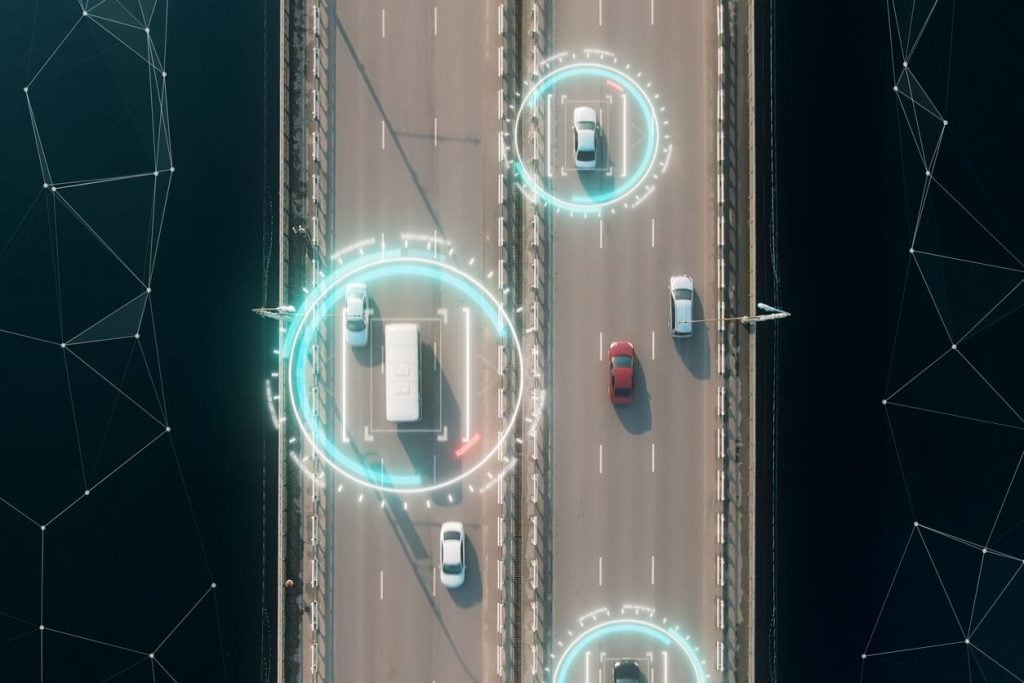
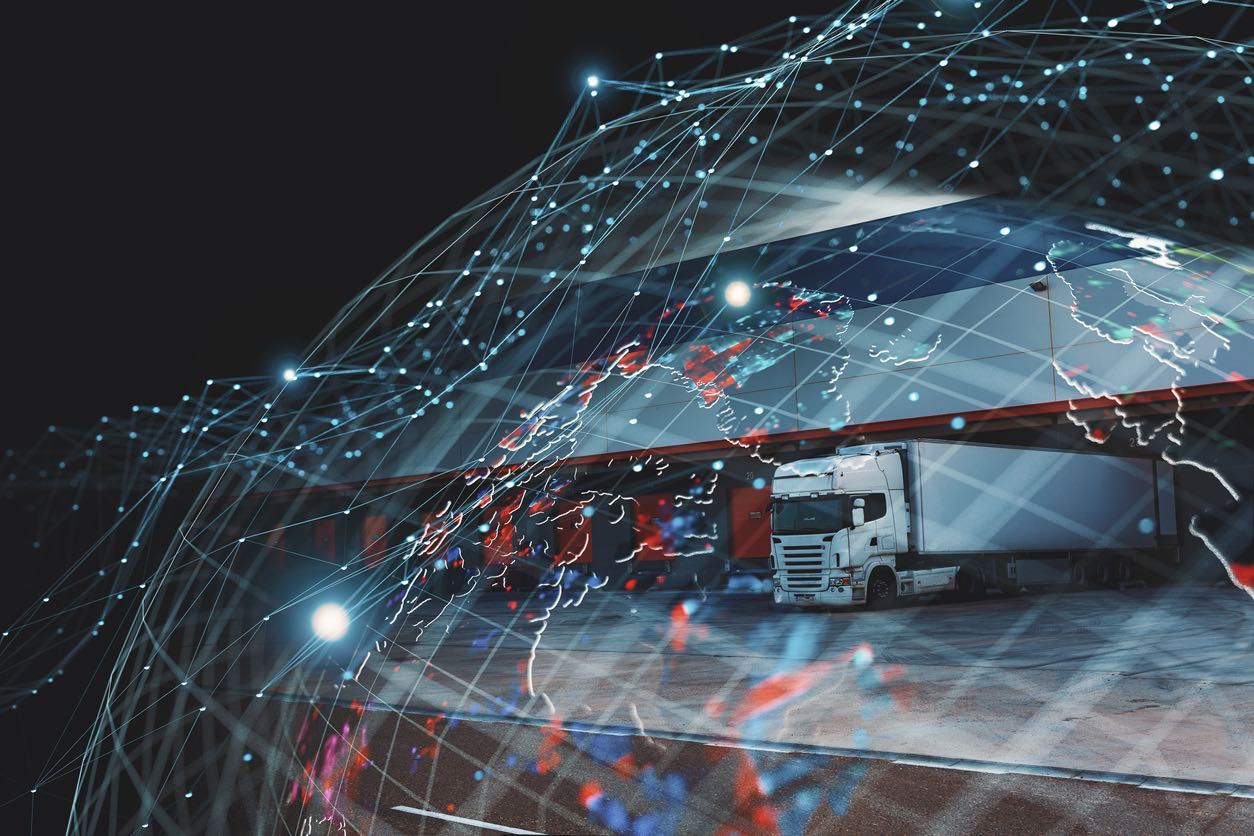
The short version: geofencing draws a virtual boundary around a route, facility, or corridor and alerts the operator when a tracked vehicle crosses it. Real-time GPS reports position continuously. Together they let a carrier notice an unplanned stop or a route deviation quickly, which matters most for high-value and specialty shipments. Availability varies by carrier, not by broker, so ask what the assigned carrier actually provides before booking something valuable.
What Each Technology Does
Tracking Technologies and What They Actually Tell You
Why Geofencing Beats Watching a Map
Continuous tracking generates far more data than anyone reviews. A dispatcher managing thirty loads is not watching thirty dots. Geofencing inverts the problem: instead of monitoring everything, the system stays silent until something departs from plan, then raises an alert. That is the difference between data and information.

In practice the useful triggers are simple: the load leaves the planned corridor, stops for longer than expected somewhere that is not a scheduled stop, or arrives at a facility so the receiving end can be notified.
Where It Genuinely Matters
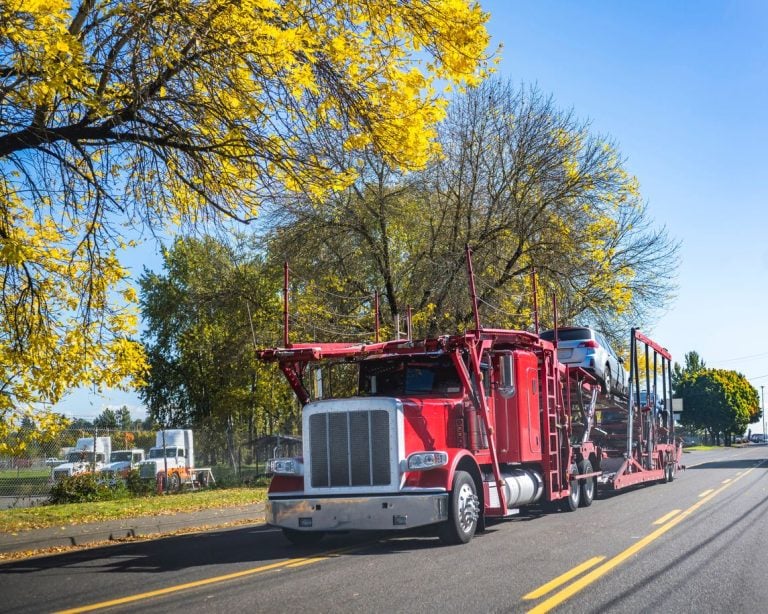
- High-value and exotic vehicles, where the cargo is worth more than the truck and theft is a real rather than theoretical risk.
- Multi-vehicle fleet and remarketing moves, where knowing which units are where has an accounting consequence.
- Time-critical deliveries tied to an auction run date, a show, or a closing date.
- Heavy haul with permits, where deviating from the permitted route is a compliance problem, not just a detour.
For an ordinary sedan moving between metros, tracking is reassurance rather than risk management. Useful, but not something to pay a premium for.
What to Ask Before You Book
The honest position is that tracking in auto transport is inconsistent. Some carriers offer live customer-facing tracking; many provide driver phone contact and periodic updates instead. Neither is wrong, but you should know which you are getting.
- Does the assigned carrier provide customer-visible tracking, or coordinator updates?
- How often will I hear from someone if I hear nothing automatically?
- Will I be told before the delivery window rather than on the day?
- For a valuable vehicle: are there sensors beyond position, and is the trailer alarmed?
A company that answers these plainly is being straight with you. A company promising live tracking on every shipment without qualification probably has not checked what its carriers actually run.
The Limits Worth Understanding
Tracking tells you where a vehicle is. It does not prevent damage, it does not make a driver legally able to keep driving once hours are exhausted, and it does not eliminate the pickup and delivery window. Coverage gaps also exist: large stretches of the Mountain West and Great Plains have poor cellular coverage, so a tracker going quiet for an hour is usually geography rather than a problem.
Treat tracking as one input. The condition report at both ends remains the document that actually protects you.
Common Questions
Can I watch my car move on a map? Sometimes, depending on the assigned carrier. Ask rather than assume, and do not choose a company solely on a tracking promise.
Does tracking cost extra? Generally not as a line item. Where it exists it is part of how that carrier operates.
What if the tracker stops updating? Usually cellular coverage. Contact your coordinator rather than assuming the worst, and expect them to reach the driver.
Is my vehicle at risk of theft in transit? Rare, and rarer still on enclosed carriers. Vehicles are secured, drivers stop at commercial facilities, and a loaded car carrier is a conspicuous target. Geofencing exists partly because the consequence, though unlikely, is severe.
What Carriers Use Internally vs What Customers See
There is usually a gap between the two, and it is worth understanding rather than resenting. Carriers run telematics for their own reasons: hours-of-service compliance, fuel and idle management, maintenance scheduling, and dispatch efficiency. That data exists on nearly every modern truck. Whether any of it is exposed to the customer is a separate business decision, and most small carriers, which is most of the industry, have no customer-facing portal at all.
So a shipment can be thoroughly tracked internally and still give you nothing but a phone number. That is not negligence; it is the shape of an industry made up largely of owner-operators and small fleets.
Chain of Custody on Multi-Vehicle Loads
On a remarketing or fleet move with eight vehicles from four locations, the useful question is not “where is the truck” but “which units are aboard.” Good practice is a per-unit condition report at each pickup and a manifest that travels with the load. Geofence alerts at each facility arrival let the receiving end prepare rather than wait.
This is where the technology earns real money, because a missing or mis-delivered unit on a volume move is an accounting problem that takes days to unwind.
Get a Quote
Call Ship A Car, Inc. at (866) 821-4555 and tell the coordinator if tracking matters for your shipment, or start with the quote calculator.