How to Ship a Yamaha Motorcycle
Motorcycles are shipped on the same trucks as cars, but almost nothing else about the process is the same, and the differences are where damage happens. A bike cannot be tied down like a car, cannot be pushed around a deck by one person, and does not sit still on its own. Getting a Yamaha across the country intact is mostly about crating, strapping and who touches it.
Which Yamaha Changes the Answer
The range spans machines with very different shipping needs, so be specific when you ask for a price.
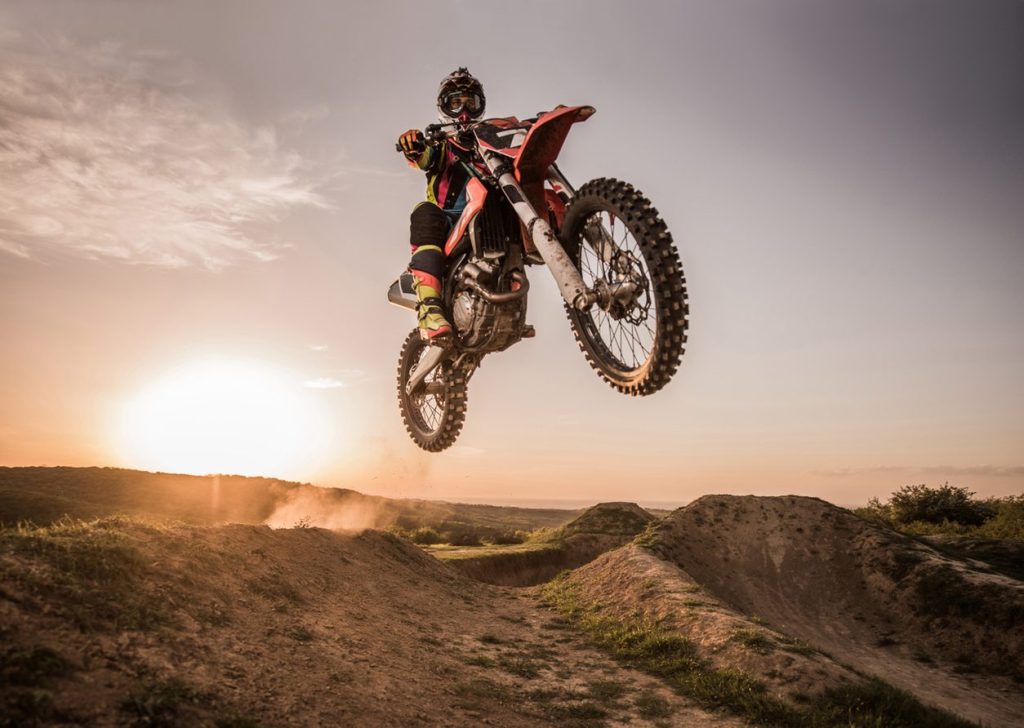
A sport bike such as an R-series is compact and low, with expensive fairings that are the first thing to get scuffed. A cruiser or a Star is heavier with wide bars. A touring machine with hard luggage is bulky and benefits from having the cases removed. A dirt bike or motocross machine is light and awkward, frequently without a road-legal setup at all. A scooter is small enough that several travel in the space of one large bike.
Give the model, year and whether anything is fitted beyond stock: a screen, crash bars, luggage, an aftermarket exhaust or a raised suspension all change the dimensions the carrier is working with.
Crated Versus Uncrated
This is the decision that most affects both price and risk.
Uncrated means the bike travels strapped to the deck of an enclosed trailer alongside other vehicles, usually on a motorcycle-specific chock or in a dedicated bay. It is cheaper and it is how most bikes move. It depends entirely on the carrier having proper motorcycle equipment rather than improvising with a car trailer.
Crated means the bike is secured inside a wooden or metal frame, which is what manufacturers use. It costs more, it adds the crating labor at one end and uncrating at the other, and it is the right answer for a valuable machine, a long move, or anything going into a mixed freight environment.
Ask which the quote assumes. A cheap quote that turns out to mean your bike is strapped to a car deck is not the same product.
Preparing the Bike
Most of the work happens before the truck arrives.
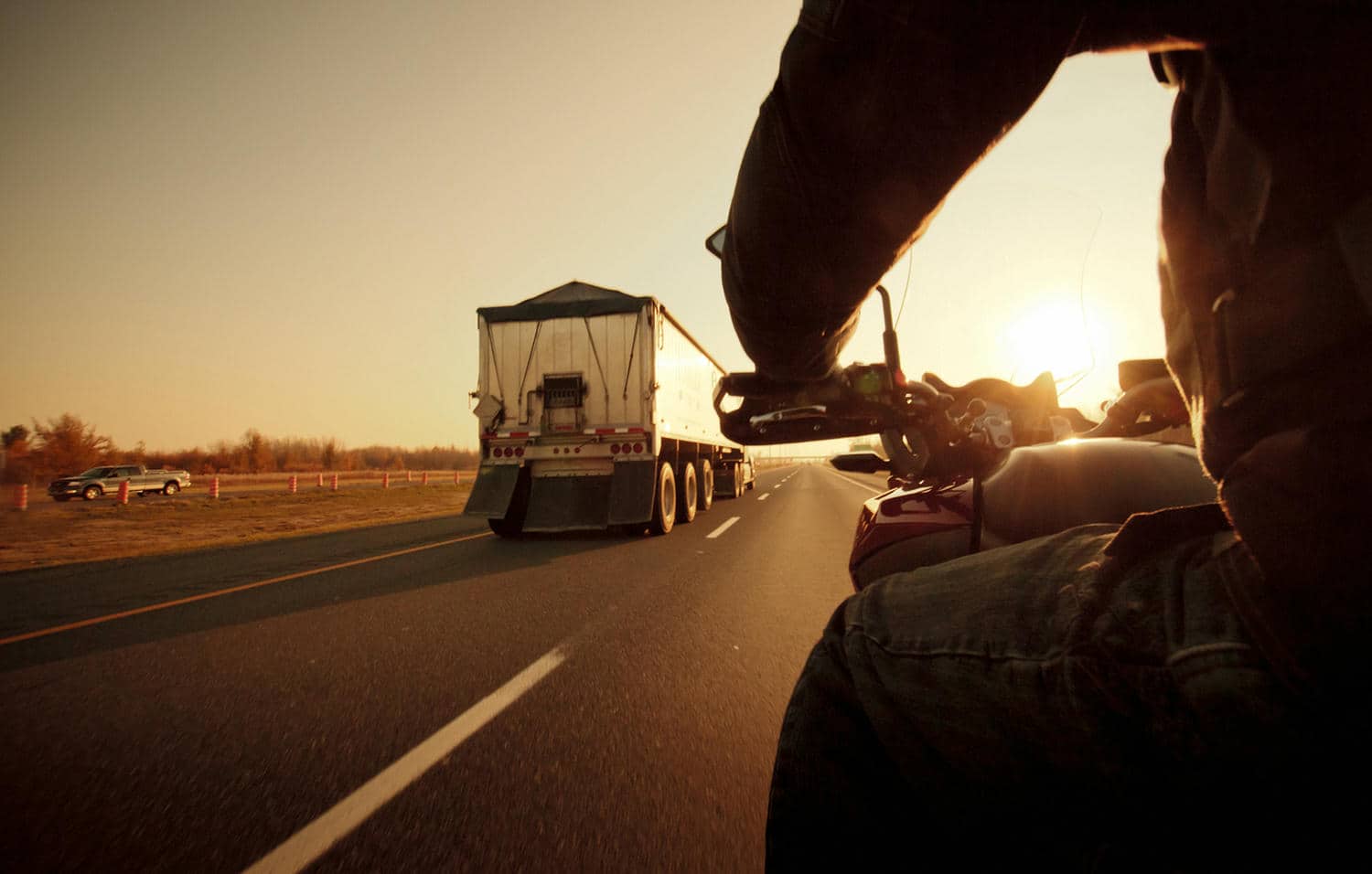
Wash it so existing marks are visible, then photograph it from every angle in daylight, including the tank, the fairings, the wheels, the exhaust and the underside of the engine. Photograph the odometer. On a bike, a scuff that would be trivial on a car panel is a visible defect, so the record matters more.
Fuel down to a quarter tank or less. Some carriers require it nearly empty on a crated shipment. Disconnect the battery on a long move, or at minimum know whether the carrier wants it disconnected.
Remove everything loose: mirrors if they fold or unbolt easily, the windshield if it is removable, hard luggage, the GPS mount, the tank bag. Anything that protrudes is something that can catch. Fold the mirrors where they fold.
Note the tire pressures and check for leaks. A bike weeping oil onto a deck is a problem for everything below it.
How It Should Be Secured
Worth knowing so you can tell whether it is being done properly.
The bike sits in a wheel chock that holds the front wheel upright. Soft loops go around the handlebars or the triple clamp, and ratchet straps run from those down to the deck at an angle, compressing the front suspension partway. Rear straps stop it moving backward.
Two things to watch for. The suspension should be compressed but not bottomed out, because a fully compressed fork under load for three days is not good for the seals. And straps should never run over painted bodywork or a fuel tank without protection, because the strap will mark it.
The side stand is not a securing method. A bike held up only by its stand on a moving trailer will fall.
Open Versus Enclosed
For motorcycles this is much less of a choice than it is for cars.
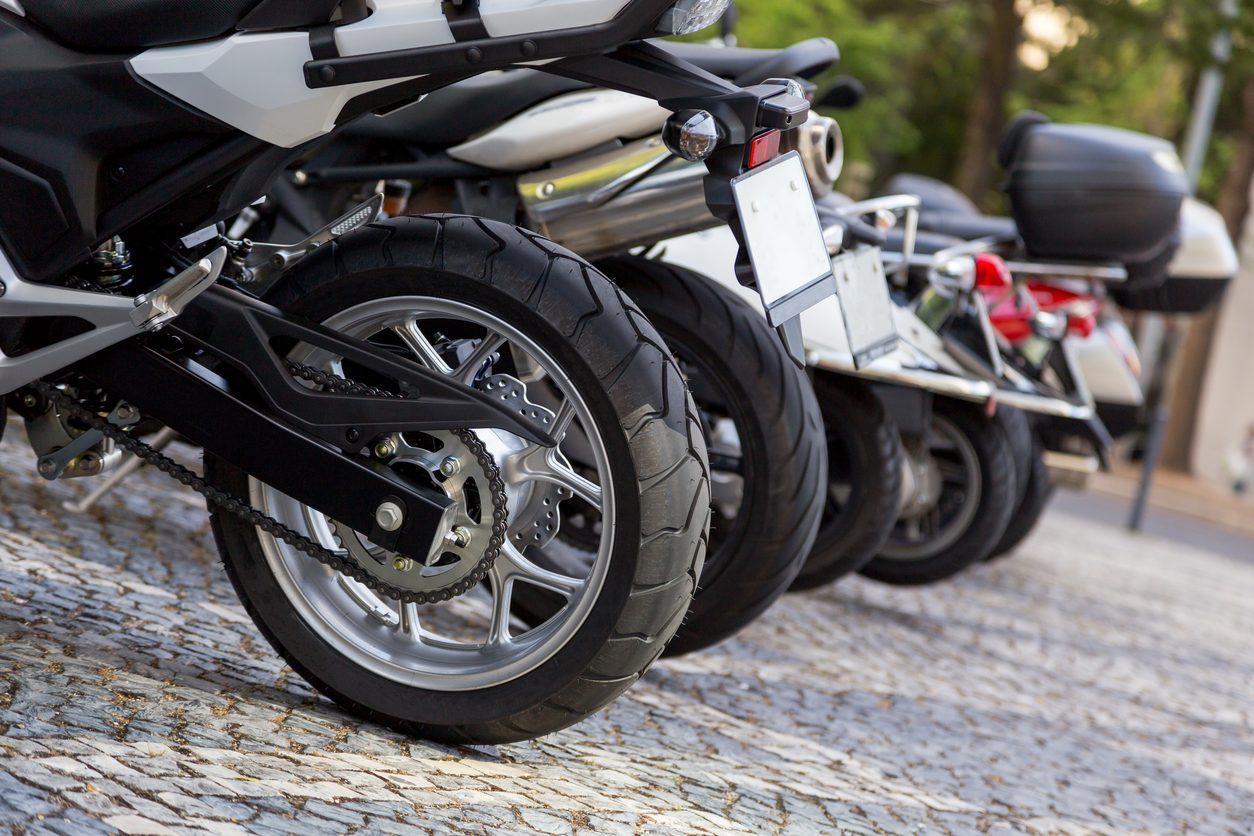
Enclosed is the sensible default. A bike on an open trailer takes the full weight of road debris, rain and grit on exposed chrome, paint, chain and bearings for the whole journey, with none of the bodywork a car has to protect it. The cost difference is small against the cost of refinishing a tank.
Open transport is defensible on a dirt bike, a project machine or something already weathered. On a clean road bike, enclosed is what most owners choose and it is the right instinct.
Insurance and the Handover
Ask specifically what the carrier’s cargo policy covers for a motorcycle, and what the limit is per vehicle. Bikes are frequently worth more than the cargo limit assumes, particularly a well-specified touring machine or anything customized.
Ask whether the policy excludes anything relevant, such as damage to items left fitted, or scratches classed as cosmetic.
At pickup, walk around the bike with the driver and make sure the condition report describes it properly. At delivery, inspect before signing, in daylight, and compare against your photographs. Look at the fairing lower edges, the exhaust, the wheel rims and anywhere a strap ran. Note anything unexpected on the bill of lading while the driver is still there. Our guide to what shipping insurance actually covers works through the detail.
Common Questions
Does a motorcycle need a crate? Not always. Uncrated on a proper motorcycle chock in an enclosed trailer is normal. Crating is right for a valuable machine or a long move.
Should I use enclosed transport? For a clean road bike, yes. There is no bodywork protecting the chain, chrome and paint from road debris on an open deck.
How much fuel should be left? A quarter tank or less, and nearly empty for some crated shipments.
Can straps go over the tank? Not without protection. Straps mark paintwork, and soft loops at the bars or triple clamp are the correct attachment.
What should I remove? Hard luggage, a removable screen, mounts, tank bags and anything else that protrudes or can be knocked.
Get a Quote
Call Ship A Car, Inc. at (866) 821-4555 with the model and year, whether it runs, and whether you want it crated, or price the move with the instant calculator.