Personal Belongings in a Shipped Car: The Actual Rules
The honest answer is that a carrier’s cargo insurance covers the vehicle and nothing inside it, and that federal authority to haul household goods is a separate license from authority to haul vehicles. Those two facts explain every policy you will encounter, and they are why the answers you get vary so much.
Here is what the rules actually are, why carriers differ, and what happens if something goes wrong.
Why Carriers Are Cautious
Three reasons, and none of them is arbitrary.
Licensing. Moving household goods across state lines requires separate operating authority from moving vehicles. A car carrier hauling a trunk full of a customer’s possessions is arguably operating outside what it is licensed for, and that exposure sits with the carrier rather than with you.
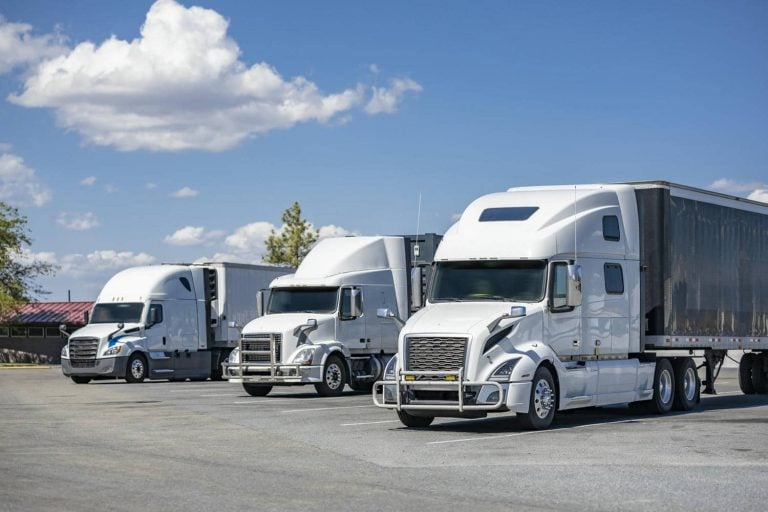
Weight. A loaded car hauler runs close to its legal gross limit. Two hundred pounds of belongings per vehicle across nine vehicles is most of a ton, and a driver who fails a scale check faces a fine and a delay. This is the reason most often given, and it is the most concrete.
Liability. Cargo insurance covers vehicles. If a box shifts in transit and damages an interior, the claim is complicated: the damage was caused by an item the policy does not cover, inside a vehicle it does.
What Most Carriers Actually Allow
Practice varies, so ask rather than assume, but the common position is narrower than people hope.
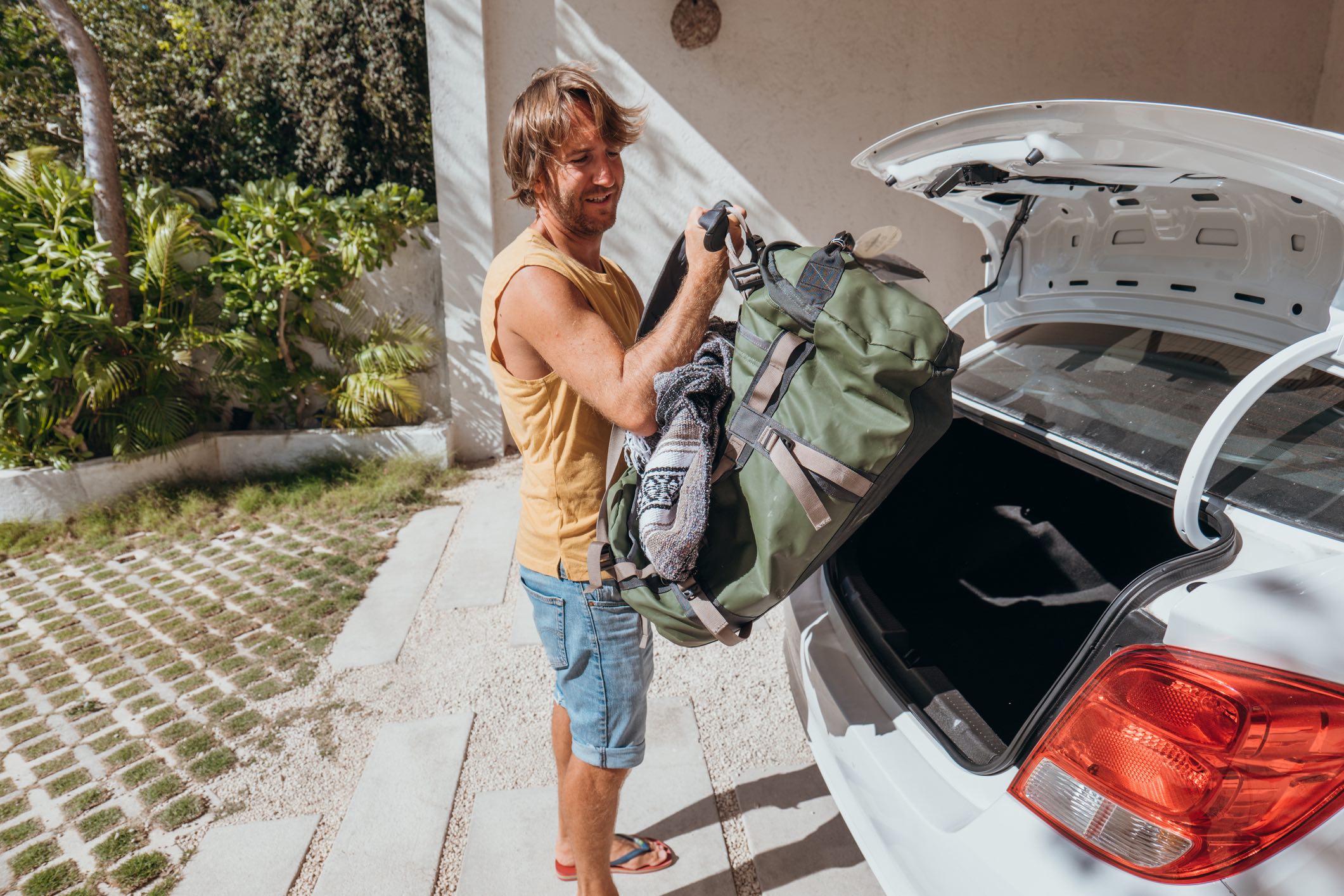
Many carriers permit a limited amount, often described as a modest weight in the trunk only, below the window line, secured so nothing moves. Some permit nothing at all. Very few permit a fully loaded interior.
The consistent requirements when anything is allowed are the same everywhere: trunk only, so the driver’s view through the vehicle is unobstructed for inspection; below the window line, so nothing is visible to attract attention at a stop; and secured, so it cannot shift.
Get the answer in writing at booking. A verbal yes from one person followed by a driver who says no at the curb is the most common version of this problem.
What Cannot Travel Under Any Circumstances
This list is not negotiable and it is not the carrier being difficult.
Hazardous materials. Propane, fuel cans, aerosols, paint, pool chemicals, ammunition, fireworks. A vehicle carrier does not hold hazardous materials authority, and this is a serious compliance matter rather than a preference.

Firearms. Beyond the licensing question, interstate transport of firearms by a third party carries its own legal framework. Do not put them in a shipped vehicle.
Anything living or perishable. Plants, pets, food. Transit takes days and the vehicle is not climate controlled.
Anything irreplaceable. Documents, jewelry, medication, laptops, keys to anything else. Not because a carrier will take them, but because they are uninsured and you may be separated from the vehicle for a week.
What Happens If Something Is Lost or Damaged
Worth understanding before you decide, because the answer is unsatisfying.
Cargo insurance does not cover contents, so a missing box is generally not a claim against the carrier’s policy. Your own homeowners or renters insurance may cover possessions away from home, which is worth checking with your insurer, but the carrier is unlikely to be the route to recovery.
If belongings damage the vehicle in transit, the position is murky in a way that favors nobody. That is precisely why carriers set limits: the ambiguity is expensive for everyone.
The practical conclusion most people reach is that a small quantity of low value, robust items in a secured trunk is a reasonable risk, and anything beyond that is not.
The Alternatives Are Usually Cheaper Than People Expect
Four options, and the arithmetic often favors them.
Ship boxes separately by parcel carrier. For a few boxes this is frequently cheaper than any alternative, it is tracked, and it is insurable.
A moving container or freight service for a larger volume, which is licensed for household goods and insured for them.
A licensed household goods mover if you are moving a home rather than a few boxes. Different authority, different insurance, correct tool for the job.

Carry it yourself if you are flying, for anything valuable or irreplaceable.
How to Ask, and What to Say
Be specific rather than general. “Can I put anything in the car” invites a cautious no. “I have two soft bags of clothing, about thirty pounds, in the trunk, below the window line” gets a real answer.
Then get it confirmed in writing, note it on the bill of lading at pickup, and photograph what is in the vehicle before it is loaded. If the driver’s answer differs from what you were told at booking, the driver is the one facing the scale and the inspection, so plan for the possibility of removing the items on the day.
And empty the vehicle completely if you can. It removes the weight question, the liability question and the licensing question at once, and it makes the pickup faster. What else affects the price is covered in our page on what determines the cost of shipping a car.
Common Questions
Can I leave belongings in my car when it ships? Sometimes a limited amount, trunk only, below the window line and secured. Policy varies by carrier, so get it in writing.
Are my belongings insured? No. Cargo insurance covers the vehicle only. Your own homeowners or renters policy may cover possessions away from home.
Why do carriers restrict it? Household goods require separate operating authority, added weight risks a scale violation, and contents create liability the cargo policy does not cover.
What is absolutely prohibited? Hazardous materials, firearms, anything living or perishable, and anything irreplaceable.
What is the cheapest alternative? For a few boxes, a parcel carrier is usually cheaper than any other option, and it is tracked and insurable.
Get a Quote
Call Ship A Car, Inc. at (866) 821-4555 with both zip codes, your date range and anything you want to leave in the vehicle, or price the move with the instant calculator.