Why Requesting Quotes From Several Brokers Can Slow Your Shipment Down
The counterintuitive part: shopping a car shipment around to many brokers at once does not create competition for your business the way it does in most industries. It usually does the opposite, because most brokers post to the same national load boards and carriers see the same vehicle listed several times at several prices. How that plays out, and what to do instead, below.
How the Broker and Carrier Relationship Actually Works
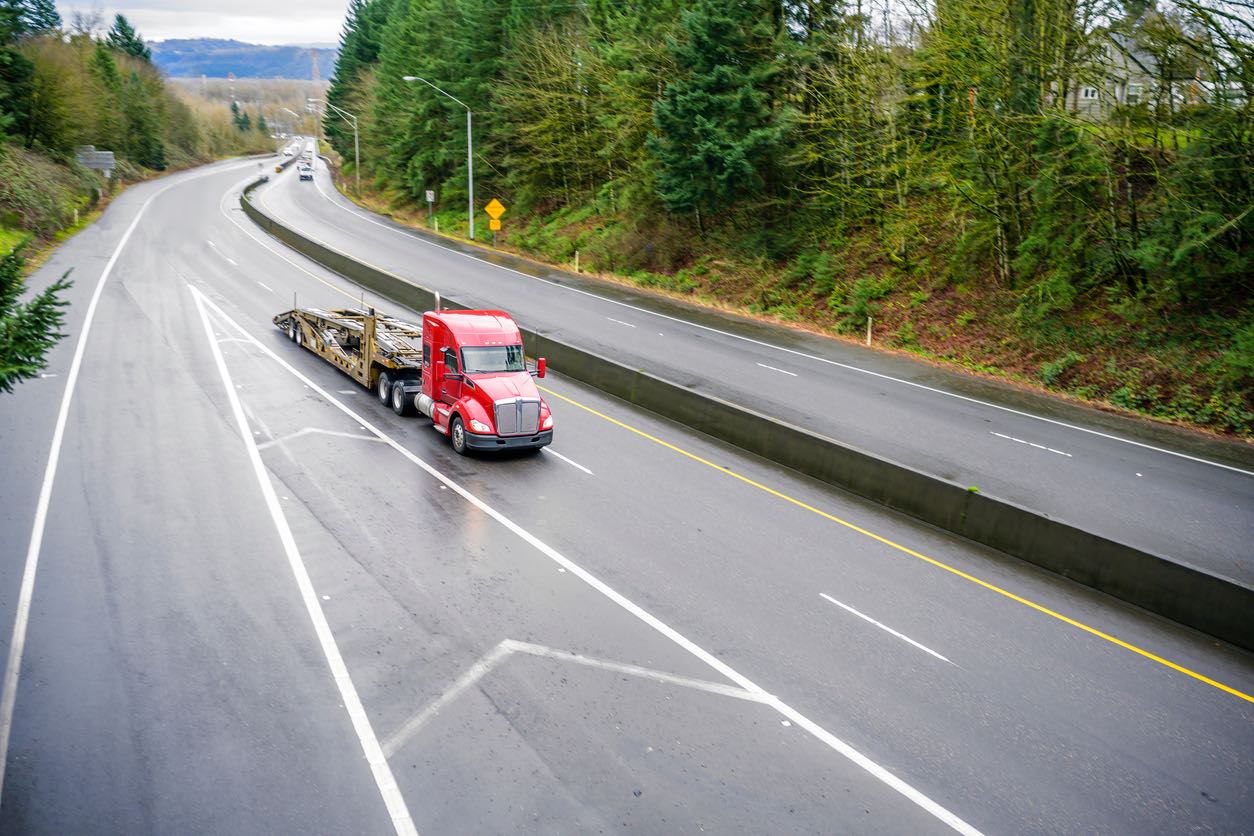
Almost every company you get a car shipping quote from is a broker. Brokers do not own trucks. They post your shipment to a central load board where carriers, the companies that own the trucks, choose which loads to accept based on the rate, the route, and how well it fills their remaining deck space.

That single detail explains most of what follows. You are not really choosing between different fleets. You are choosing who represents your shipment to the same pool of carriers.
What Happens When One Car Is Listed by Four Brokers
The same vehicle appears on the board multiple times with different prices attached. Three things follow, none of them good for you:
- Carriers see a scattered listing and treat it with caution. A load posted repeatedly at different rates suggests nobody has a firm arrangement with the customer, and a driver who accepts it risks arriving to find the car already collected.
- The lowest posting sets the anchor. Carriers see the cheapest version first and judge the shipment by it. If that rate is below what the lane pays, the load simply sits.
- You cannot tell who actually has your car. When several brokers claim to be arranging the same shipment, coordination becomes the customer’s problem.
Comparing Quotes Without Creating the Problem
Getting quotes from a few companies is sensible. Authorizing several of them to post your vehicle is not. The distinction is the deposit or the signed agreement, that is the point at which a broker lists your car.
So: collect quotes freely, ask each company the same questions, then commit to one and let them work the shipment. If they are not delivering, cancel properly before engaging another.
The questions worth asking are the same four every time: is this quote all-inclusive and can it change after booking, what is the carrier cargo insurance limit, who is my contact once the vehicle is picked up, and what is the realistic pickup window rather than the best case.
Why the Cheapest Quote Is Often the Slowest
A quote noticeably below the rest is usually a placeholder rather than a price. The shipment gets listed at a rate no carrier will accept, sits unassigned while your dates pass, and is then revised upward once the customer is committed. In our bookings between September 2025 and August 2026, open transport realistically ran about $0.60 to $2.00 per mile depending on distance. A number well under the band for your lane is a shipment that has not been priced to move.
How to Cancel Cleanly Before Switching
If a broker is not delivering, you are entitled to move on, but do it properly so your vehicle is not listed twice. Ask for written confirmation that the shipment has been removed from the load board and that no carrier is dispatched. Then confirm any deposit position under their cancellation terms.

Only after that should you engage someone else. The overlap is where the trouble happens: two brokers, both believing they have the shipment, both posting it, and a driver arriving to collect a car that has already gone.
What a Reasonable Timeline Looks Like
Knowing what is normal makes it easier to judge whether a broker is actually underperforming. On a common lane with flexible dates, a carrier is typically assigned within one to five days of booking. On a rural pickup, an unusual corridor, or a narrow date window, one to two weeks is not unreasonable.
If a week has passed on a mainstream route with no carrier assigned and no explanation, that is a fair point to ask directly whether the shipment is priced correctly for the lane. Often the honest answer is that it is not, and the fix is a modest price adjustment rather than a new broker.
Why Rates Move
Car shipping prices follow supply and demand. The rate that fills a truck this week may not fill it next week, because it depends on how many carriers are running your corridor, fuel costs, seasonal flows like the snowbird migration, and how full the trucks already are. That is why quotes are estimates until dispatch, and why a broker who tells you a price can never change is not being straight with you.
What should not happen is a quote set below market to win your booking and then revised upward once you are committed. The distinction is between a market that moved and a number that was never realistic.
Common Questions
Is it wrong to get several quotes? Not at all, and you should. The problem is authorizing several companies to actually post the vehicle. Compare freely, commit once.
How do I know if my car is listed multiple times? Ask each company directly whether they have posted it. If you gave a deposit to more than one, assume it is listed more than once.
Does a higher price guarantee faster pickup? It substantially improves the odds, because carriers choose loads by rate against route. It does not guarantee a date, since weather and existing commitments still apply.
Can I negotiate? Yes, within reason. If a shipment is not moving, discussing the rate with your coordinator is more productive than starting over with a new broker.
Get a Quote
Call Ship A Car, Inc. at (866) 821-4555 and one coordinator will handle your shipment from quote to delivery, or request an estimate for it through the quote calculator.