Shipping a Car to Someone Else: Gifts, Family and Third Party Deliveries
Sending a car to another person is mechanically the same move as sending it to yourself, with one difference that causes nearly all the problems: the person at the far end has to be authorized, informed and actually present.
Here is what changes when you are not the recipient, and the paperwork that decides whether it goes smoothly.

Name the Recipient at Booking, in Writing
The carrier needs to know who may receive the vehicle and sign the bill of lading, because that signature is what closes the transport and what any damage claim rests on.
Give the recipient’s full name, a phone number they will actually answer, and the delivery address. Then tell the recipient the same things in reverse: the carrier’s name, roughly when to expect contact, and that the driver will call ahead.
The most common failure on a third party delivery is not damage. It is a driver arriving with nobody there, or someone there who does not know what they are supposed to do.
Brief the Recipient on the Inspection
This matters more than anything else on the list, because the person signing is not the person who cares most.
Tell them plainly: walk the whole car before signing, compare it against the photographs you will send them, and write any new damage on the bill of lading before signing it. A clean signature is very difficult to dispute afterward.
Send them your pickup photographs in advance. Every panel, both bumpers, the wheels, the roof and the odometer, taken in daylight after a wash. Without that comparison the inspection is guesswork.
And tell them that if the car arrives after dark or in rain, they should write on the document that a full inspection was not possible. That single sentence preserves your position.
Ownership Transfer Is Separate From Transport
Two different processes that people run together and should not.

A carrier moves a vehicle. It does not transfer title, and it does not need the title to do its job. You can ship a car to someone before, during or after signing it over.
What the recipient needs in order to register it is a properly signed title, a bill of sale or gift affidavit depending on the state, and whatever their state requires on top. Those requirements vary, so the recipient should check their own state’s rules rather than assuming.
If the vehicle has a lien, it cannot be transferred until the lender releases it. That is worth establishing early because it takes time and it is entirely independent of the shipping.
Gifts Have Tax and Registration Wrinkles
Worth a check rather than an assumption, and this is not tax advice.
Many states treat a genuine gift between family members differently from a sale for registration and use tax purposes, sometimes with a specific form and sometimes with an exemption. Some require the transfer to be declared as a gift explicitly, and putting a token sale price on the paperwork can cost the recipient more than declaring it honestly.
Separately, federal gift tax rules exist and apply above an annual threshold. For most family car transfers this is not in play, and for a valuable vehicle it is worth a short conversation with an accountant.
The practical step: have the recipient look up their own state’s gift transfer procedure before the car arrives, since they are the one who will stand at the counter.
Insurance Has to Be Sorted Before Delivery
The gap people miss.
The carrier’s cargo insurance covers the vehicle in transit, up to a limit that applies to the whole load. It stops when the car is unloaded.
From that moment the vehicle needs coverage in the recipient’s name if they are going to drive it. A car sitting on a driveway uninsured is a risk, and a car driven uninsured is a much larger one. Arrange this to start on the delivery date rather than after it, allowing for the fact that delivery is a window rather than an appointment.
Practical Details at the Far End
Three things the recipient needs to be told about.
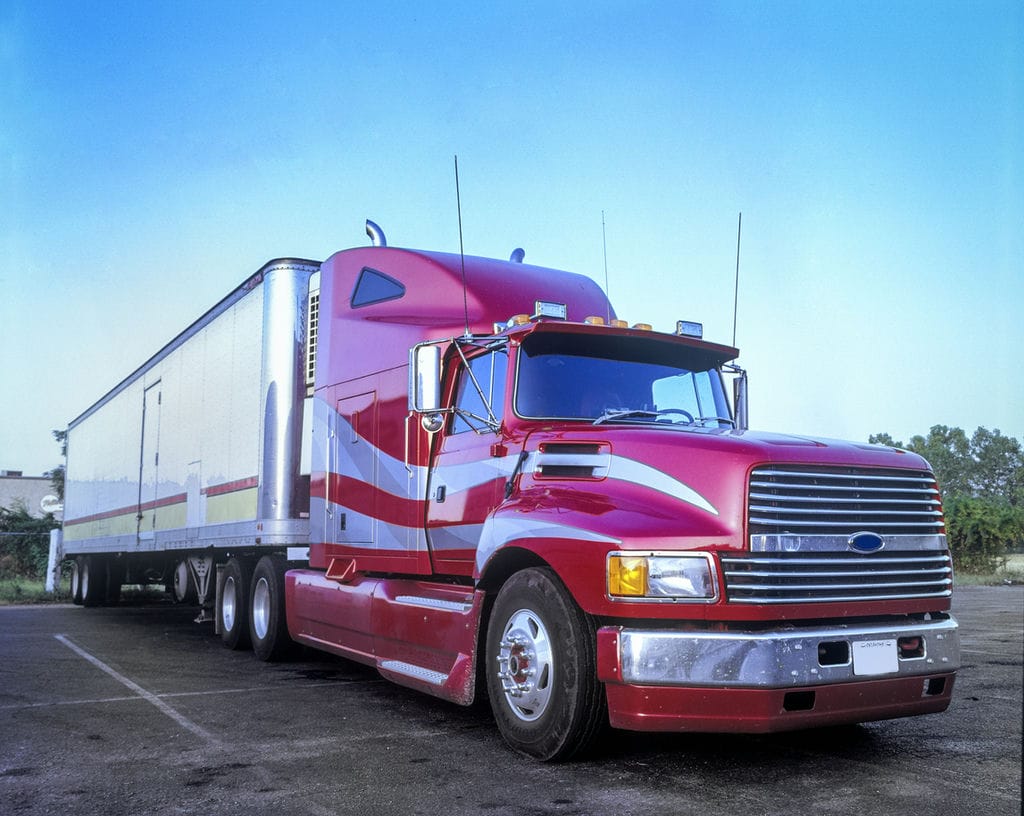
Access. A full size hauler is around 75 feet long and cannot use many residential streets. If the recipient’s street is narrow, has parking on both sides or low branches, a nearby lot is the normal answer. Better to establish that before delivery day than to have a stranger discovering it.
Keys. Send one set with the car, in the vehicle, and keep a spare. If the vehicle needs any procedure to start or move, write it down and put it with the key.
The empty interior. Personal items are not covered by cargo insurance. If you are minded to send belongings with a gifted car, do not. Most carriers restrict it and none insures it.
If the Recipient Cannot Be There
Nominate someone in writing at booking, with their name and number, and brief that person on the inspection exactly as above. A neighbor who signs without looking has cost you the claim.
The alternative is delivery to a nearby business or storage facility that will receive it, which needs to be arranged and confirmed with that business in advance rather than assumed. What sets the price is covered in our page on what determines the cost of shipping a car.
Common Questions
Can I ship a car to someone else? Yes. Name them at booking with a phone number, and make sure they know to expect the driver’s call.
Do I need to transfer the title first? No. Transport and ownership transfer are separate. The recipient needs the title to register it, not to receive it.
Who signs at delivery? Whoever you named. Brief them to inspect before signing and to note damage on the bill of lading at the time.
Is a gifted car taxed differently? Often, for state registration purposes, and rules vary. Have the recipient check their own state’s gift transfer procedure.
When does insurance need to start? On the delivery date. The carrier’s cargo cover ends when the car is unloaded.
Get a Quote
Call Ship A Car, Inc. at (866) 821-4555 with both zip codes, your date range and the recipient’s name and number, or request an estimate for the move through the quote calculator.