Auto Industry In 2023: The Trends that will Shape the Market
The automotive industry is going through a period of radical change, especially now that consumers are quick to adopt the latest technologies that make their work easier. Trends shaping the automotive world in 2023 and beyond revolve around how cars are driven, powered, and shopped. Looking forward to 2023, the top trends will shape the auto industry.
Increased Production of Electric Cars
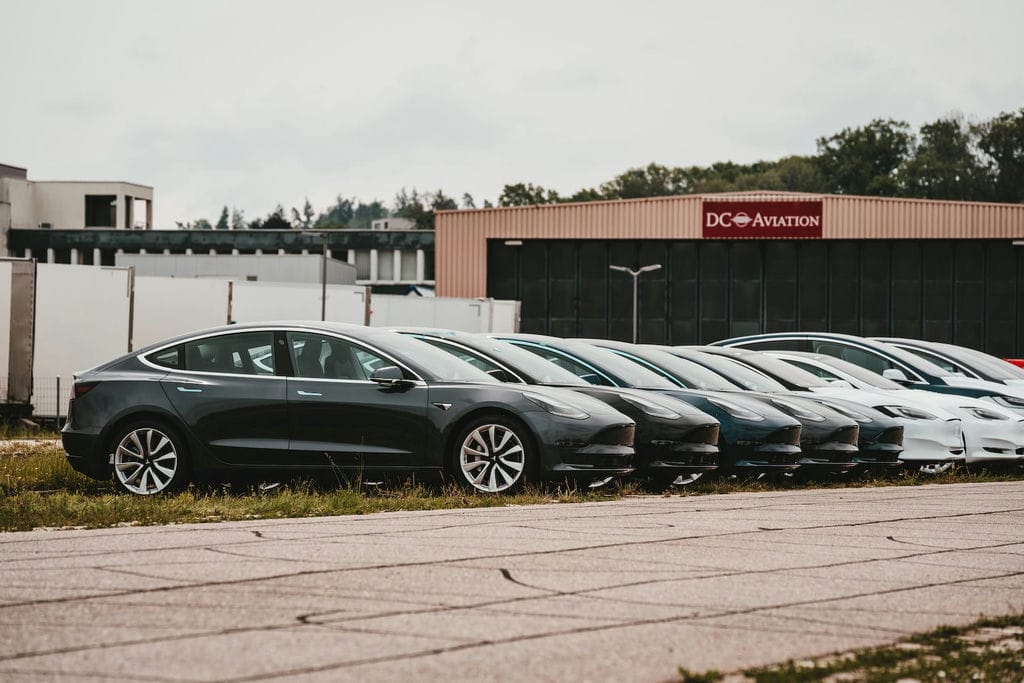
Technological advances will not stop anytime soon, and automakers are using this to their advantage. Innovative companies like Tesla and Google are working tirelessly to release self-driven and eclectic cars. More electric and technologically advanced vehicles will hit the market in 2023. Keep in mind there is intense competition to develop software and operating systems that will power these electric cars. Hence, there’s a lot to expect in terms of the technology vehicles will use in the coming months.
A Surge in Digital Automobile Sales
Since smartphones hit the markets, it’s evident that consumers are quick to adopt complex technologies that make their lives easier. Users are always looking for convenience and ease. These values have started shaping the automobile world and will continue to do so in 2023. Automakers have already begun to market the idea of shopping for cars without necessarily visiting car dealerships’ physical locations.
With a device that connects to the internet, buyers can compare brands, check reviews, and take a 3D tour of their dream cars. There’s a good chance of an increase in digital automobile sales as buyers will want to take advantage of the online car marketplace. What’s more, some dealerships now offer home shipping deliveries at no cost to gain a competitive edge over others. So, expect more dealerships to jump on the bandwagon.

Increased Sales of Used Cars
The car industry is currently experiencing a rise in sales of used cars. The harsh economic times might be the reason for this trend. However, the boom in used car sales is because they are cheaper than new vehicles. As more people demand used cars, this trend will likely continue in 2023 and beyond. Low APR financing options have also influenced most buyers to purchase pre-owned cars.
More Focus on the User
In 2023, major transformations users will experience in the automotive industry will largely be influenced by the younger, tech-savvy folks. The younger generation often yearns to own a vehicle for flexibility, comfort, and status. Automakers will strive to meet the growing demand for cars that deliver what users need. Since millions of young people will want to adopt the latest technological innovations, the automotive industry will have no choice but to steer in this direction.

Tracking Technology and Advanced Security
Since there will be a rising trend of people looking to own cars, there will be a growing need to use tracking technology and other advanced security features. Car manufacturers are taking note of the rising demand for personal and vehicle safety. This means car owners will want advanced features to help protect themselves and their cars against theft, collisions, and accidents. Therefore, 2023 will likely have modern vehicles using sophisticated technologies to keep car owners safe.
Self-Driving Cars
The concept of self-driving (autonomous) vehicles is still something that people haven’t fully embraced. Nevertheless, we can’t overlook that advances in technology in 2023 will strive to make this concept a reality. Autonomous vehicles are expensive and, in some cases, unreliable, but anything can happen with technology. Who knew people would be charging their cars? So, the trend to push for reliable autonomous cars will continue in 2023.

More Connected Cars
Most trends shaping the auto world in 2023 revolve around advanced technology. This is the same case with the Internet of Things (IoT) and how cars will be more connected. Expect more connected cars in 2023, where car systems will integrate with other digital systems. Automakers will likely use predictive technology to maintain cars in the best condition while on the road.
Wrapping Up
The auto industry is evolving rapidly, especially with the latest tech trends people have to keep up with. 2023 will be an exciting year for car owners as they expect a lot of changes to improve their overall driving experience.
Rest assured the no matter what the auto industry will look like in the upcoming years, the SAC team is here to facilitate all of your vehicle transportation needs. Give us a call at (866) 821-4555 to discuss your car shipping options.