How to Transport a Storage Shed
The cheapest way to move a shed is usually not on a flatbed at all, and knowing that before you start calling is worth several hundred dollars. A portable building sitting on skids can be picked up whole by a purpose built shed trailer, often called a shed mule, which slides underneath, lifts it and carries it out through a gate. A shed bolted to a slab, or one wide enough to need a permit, is a different and more expensive job. Which one you have is the first thing to establish.
How It Was Built Decides Everything
Sheds fall into two categories and the difference is structural rather than cosmetic.
A portable building sits on skids, which are the heavy runners underneath that the floor is built on. They exist specifically so the building can be picked up and moved, and any shed delivered to you on a truck is in this category. These move easily and comparatively cheaply.
A site built shed is assembled in place, frequently on a concrete slab or on posts sunk into the ground, with the floor structure attached to the foundation. It has no skids and nothing designed to take a lift. Moving one means either dismantling it or accepting the real risk that it comes apart on the way, and on an older wooden building that risk is not small.
Get underneath and look before you plan anything. If you see skids, you have options. If you see a slab with the walls sitting on it, get a straight opinion from a shed mover about whether it is worth moving at all.
Width Is What Triggers a Permit
Sheds are wide for their weight, and width is what turns a simple move into a permitted one.
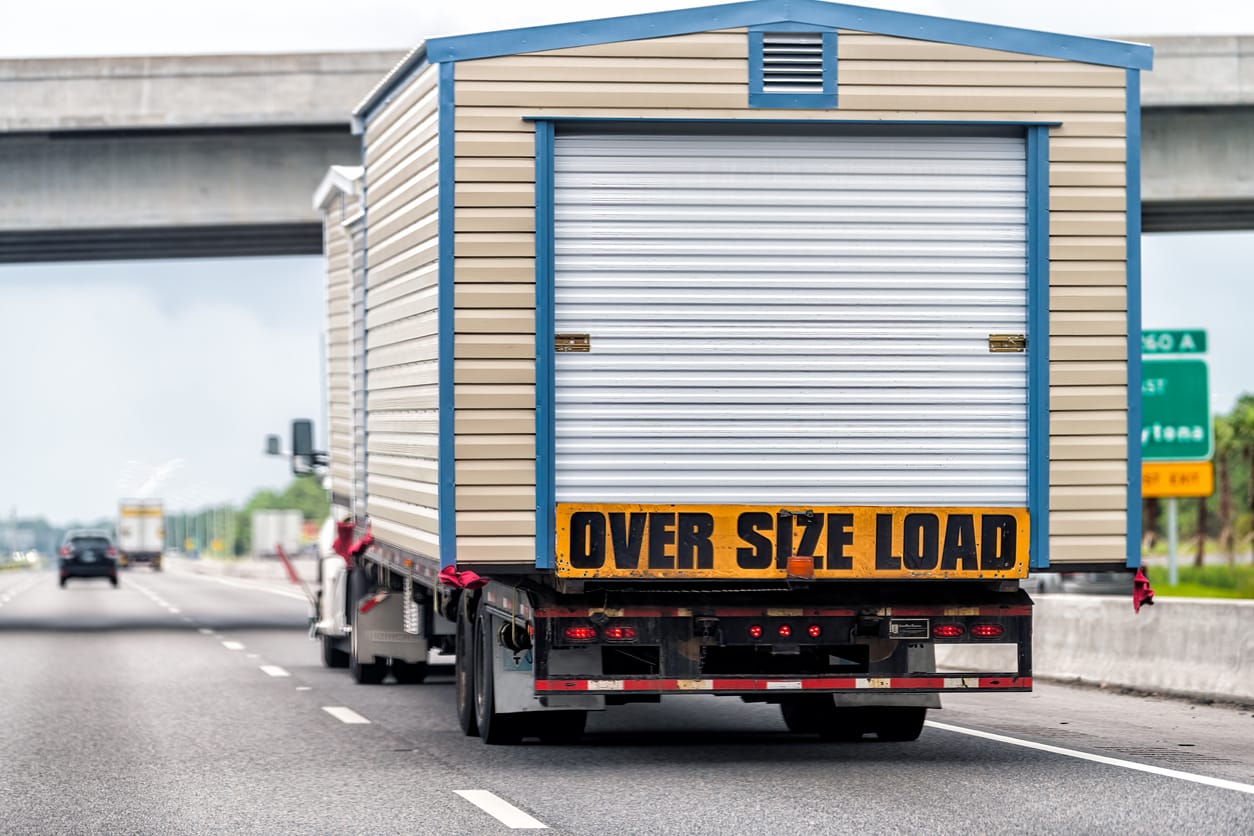
Legal width is 8 feet 6 inches. A great many sheds are 10 or 12 feet wide, which means a permit in every state on the route, and past roughly 12 feet escort vehicles start to come into it depending on the state and the road.
Height catches people too. Legal height is 13 feet 6 inches measured from the road, and a trailer deck already uses several feet of that. A 10 foot tall shed with a peaked roof on a standard deck is over the limit before anybody has measured carefully, which is why shed movers use low deck trailers built for the job.
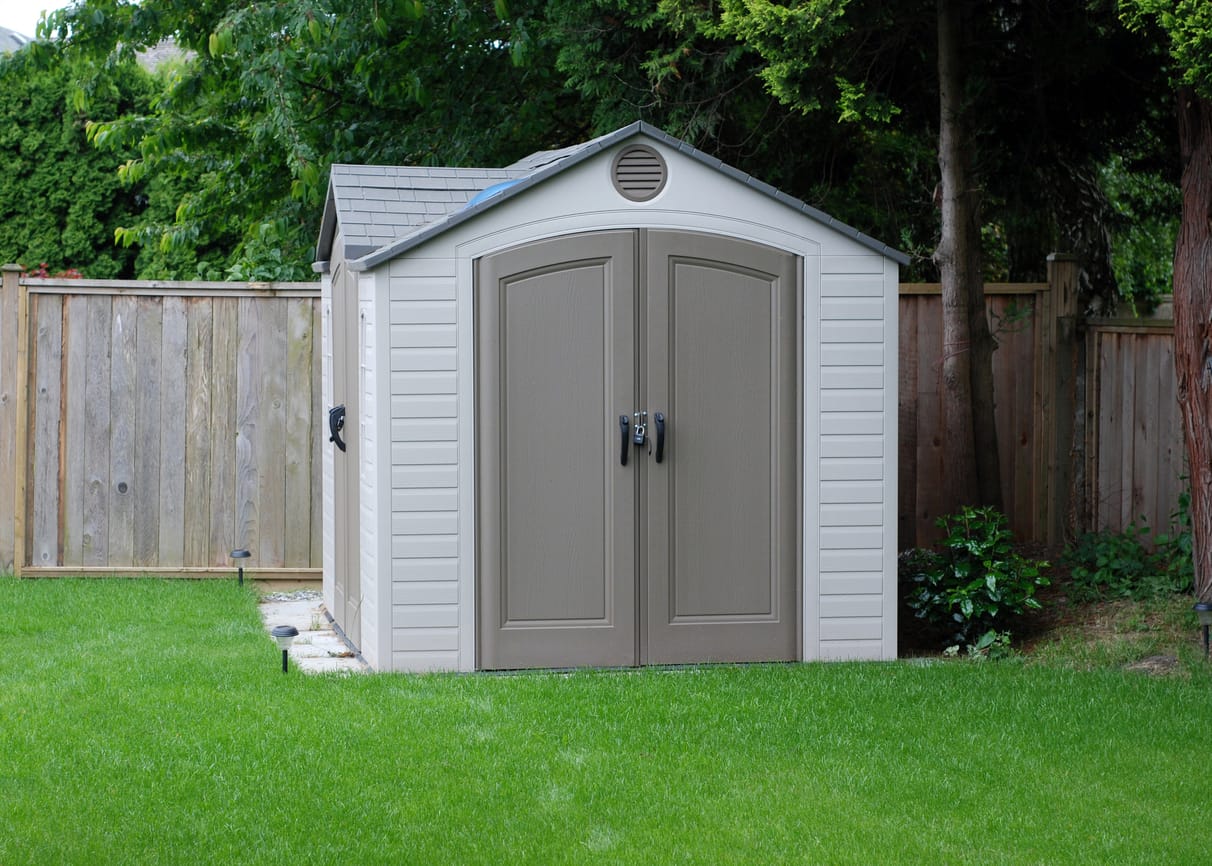
Measure your building at its widest and tallest points, including the roof overhang and any ramp or step attached to it. Work from your own measurements rather than the size on the original invoice, since an 8 by 12 shed is describing its floor rather than its overall dimensions.
The Three Ways It Gets Moved
Match the method to the building and the distance.
A shed mule or shed trailer is the specialist answer for a portable building on skids. It is a low, narrow trailer that reverses up to the shed, slides underneath, lifts it hydraulically and carries it out. The great advantage is access: these machines get into back yards, through gates and around corners that no tractor trailer could approach. For a local move this is almost always the cheapest route.
A tilt bed or roll back trailer works where a forklift or the trailer’s own winch can drag the building on. It suits smaller sheds and sites with a hard surface.
A flatbed or step deck with a crane or forklift at each end is what long distance moves use, and what a wide building needs. It costs more, mostly because of the lifting equipment at both ends rather than the mileage.
What to Do Before Moving Day
Empty it completely. This is the instruction people ignore and it is the one that causes damage. A shed full of tools, paint, mowers and firewood is heavy and, worse, the weight is unevenly distributed and it shifts. Sheds are light structures that rely on their walls staying square, and a load sliding to one side during a lift is how a building racks.
Then release it from the ground. Anchors, ground stakes, cable tie downs and any bolts into a slab all have to come out. Disconnect electrical supply properly, and remove anything attached to the outside: gutters, downspouts, shelving brackets, a satellite dish, a lean to.
Secure what can move. Doors and windows get latched and, on a longer move, screwed or strapped shut, because a door that swings open at highway speed usually tears off. Loose trim and roof panels want checking, and it is worth putting a screw into anything that rattles.
Access Is Where These Jobs Fail
The shed is rarely the problem. Getting the equipment to it usually is.
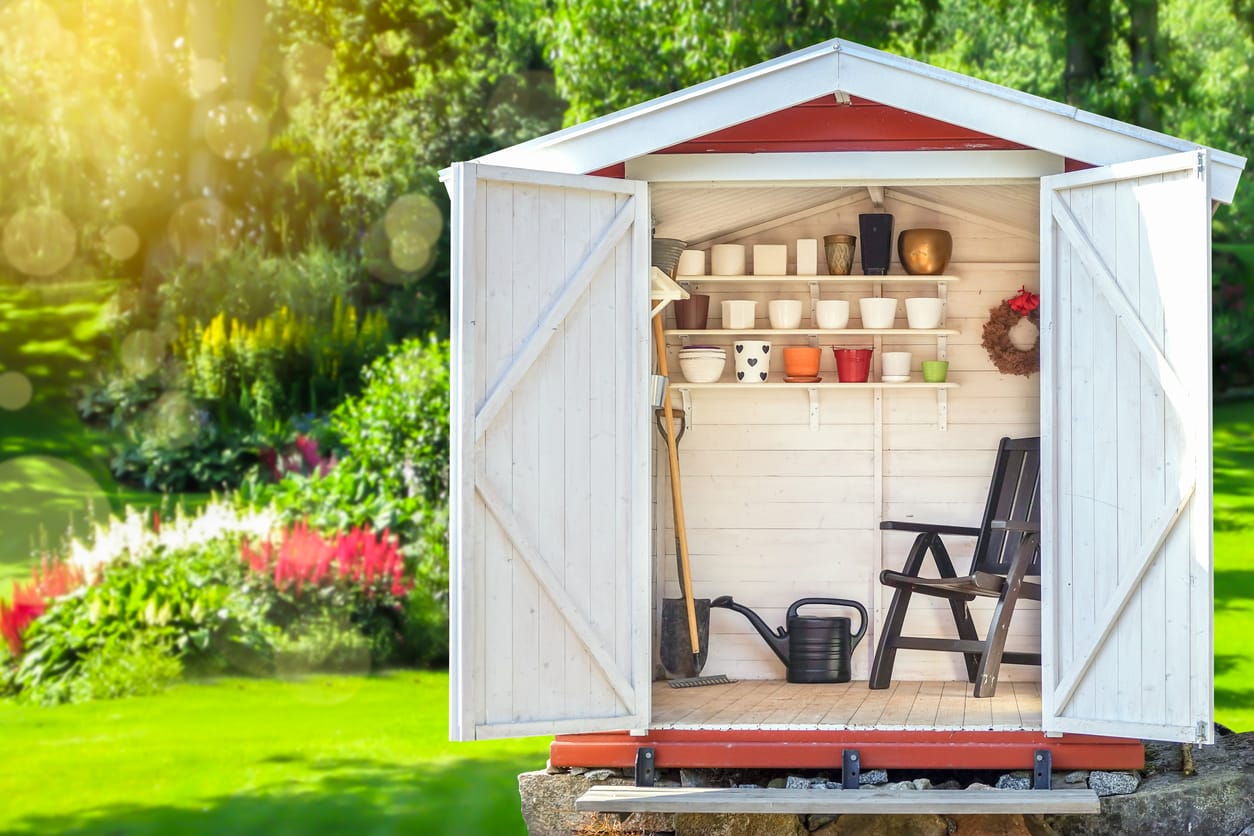
Walk the route out before you book. Measure the gate opening and any gap between the house and the fence, remembering the building needs clearance on both sides rather than an exact fit. Look up: tree branches and overhead power lines stop these moves regularly, and a service drop to the house is at exactly the wrong height.
Check the ground. A shed mule carrying a loaded building is heavy and it sinks into soft lawn, wet ground or a new septic field. Movers will tell you if conditions are unworkable, and it is much better to hear that a week out than on the morning.
Fences can usually come apart. Taking down a panel or two is a routine part of this work and it is worth offering rather than waiting to be asked.
Prepare the Destination First
The new site needs to be ready before the building arrives, because a shed cannot wait on the street.
Level and prepare the pad, whether that is a gravel base, a concrete slab or a set of blocks, and have it finished and cured in advance. Confirm the exact position and orientation, including which way the doors face, because turning a building once it is set down means a second lift.
Check whether your municipality requires a permit to place a structure, and check setback requirements from property lines. Both are cheap to resolve beforehand and expensive afterwards. A related job with the same access problem is covered in our guide to shipping container homes.
Common Questions
What is the cheapest way to move a shed? A shed mule for a portable building on skids, especially over a short distance. It avoids cranes at both ends.
Can any shed be moved? A building on skids, usually yes. One built on a slab with the floor attached to the foundation is a dismantling job and may not be worth moving.
Do I need a permit? If the shed is over 8 feet 6 inches wide, yes, in every state on the route. Height over 13 feet 6 inches from the road is the other trigger.
Do I have to empty it? Yes. Contents add weight, shift during the lift and are what rack a light structure out of square.
What stops these moves most often? Access. Gate width, overhead branches and power lines, and soft ground that will not carry the equipment.
Get a Quote
Call Ship A Car, Inc. at (866) 452-3657 for specialized freight with the shed’s measured width, height and length, whether it sits on skids or a slab, and the access at both ends, or price it with the specialized transport calculator.