How to Ship a Fire Truck
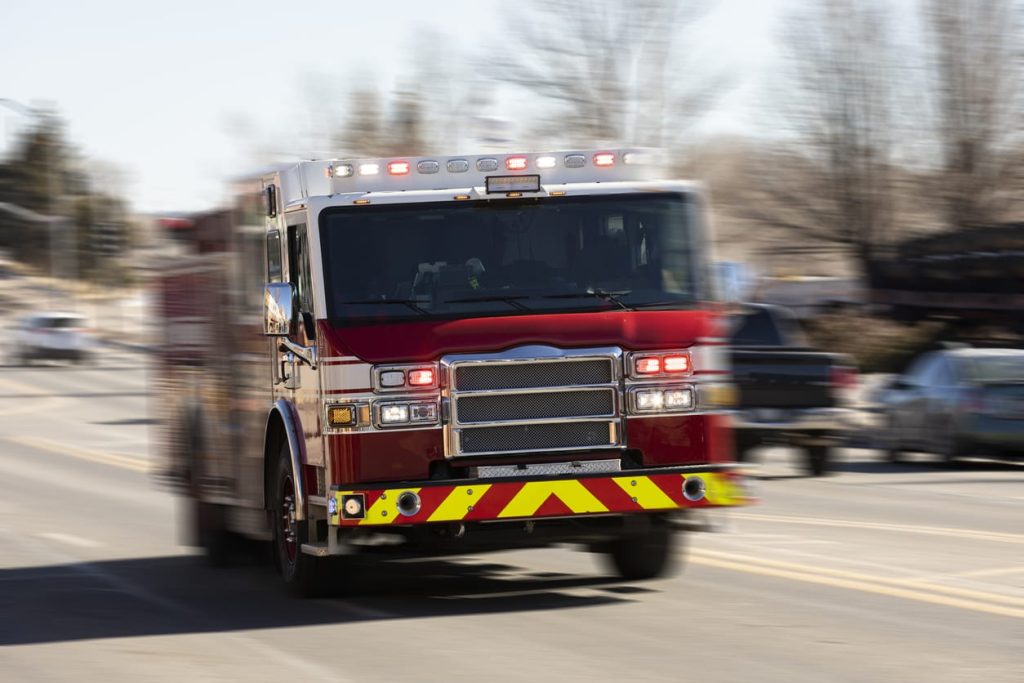
A fire apparatus is over height before it is loaded, and that single fact makes almost every fire truck move a permitted load. A pumper runs around 10 to 11 feet tall on its own wheels; put it on a trailer deck sitting 5 feet off the road and you are well past the 13 feet 6 inch limit. Aerial and ladder apparatus is taller still and longer. The realistic options are driving it, or hauling it on a lowboy and accepting the permit that comes with that.
Drive It or Haul It
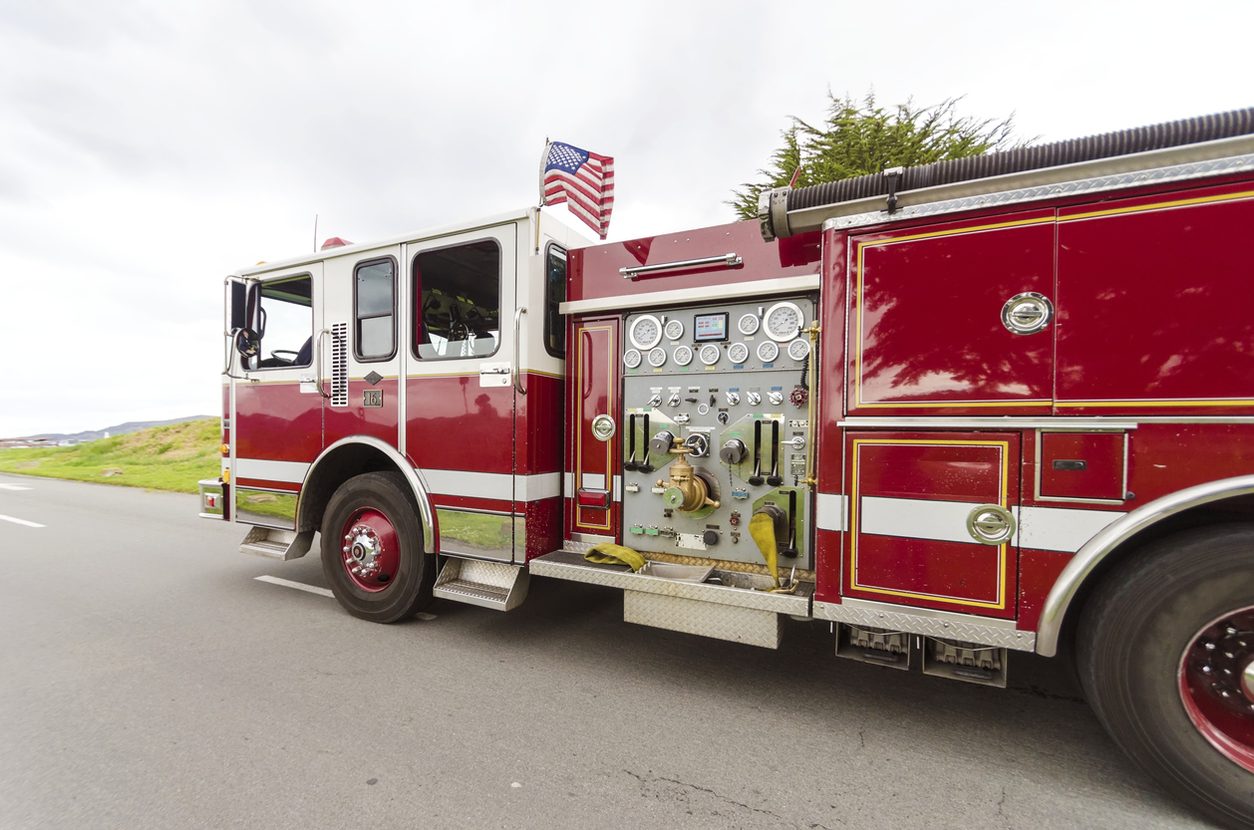
For a roadworthy apparatus, driving is frequently the better answer, and that surprises people.
A fire truck is a registered commercial vehicle and can be driven by a qualified driver holding the right license class. No permit is needed because the vehicle is within legal height on its own suspension. It is usually cheaper and often faster. The cost is mileage on a vehicle with an expensive drivetrain, plus fuel at the consumption these things achieve.
Hauling is right when the apparatus is not roadworthy, when it is a preserved or antique unit where mileage matters, or when it is going somewhere a drive cannot reach. It puts the truck on a lowboy or a double drop, which means permits for every state on the route.
Whichever you choose, the decision hinges on whether the apparatus currently runs, drives and stops. Say so at the first conversation.
Measure the Actual Truck
Apparatus is built to order and no two are the same, so the manufacturer’s specification is a starting point rather than an answer.
Height is the critical one and it is measured from the road surface to the highest point. That includes light bars, sirens, roof mounted monitors and deck guns, antennas and any equipment racked on top. Many of these unbolt, and removing them is often what brings a hauled move back inside a workable envelope.
Length matters too. A pumper runs roughly 30 to 35 feet; a ladder truck or tiller can exceed 60 feet, and a tiller articulates in the middle, which is its own handling problem. Weight is commonly 30,000 to 60,000 pounds for a pumper and considerably more for aerial apparatus, before you add water.
Empty the Tanks
Water weighs a little over eight pounds per gallon, and a pumper carries 500 to 1,000 gallons.
That is 4,000 to 8,000 pounds of weight serving no purpose on a transport move, and it is weight that will show at a scale house. Drain the water tank and the foam tank completely, and drain the pump itself and its lines, particularly if the route crosses freezing conditions, because residual water in a pump splits it.
Strip the Equipment
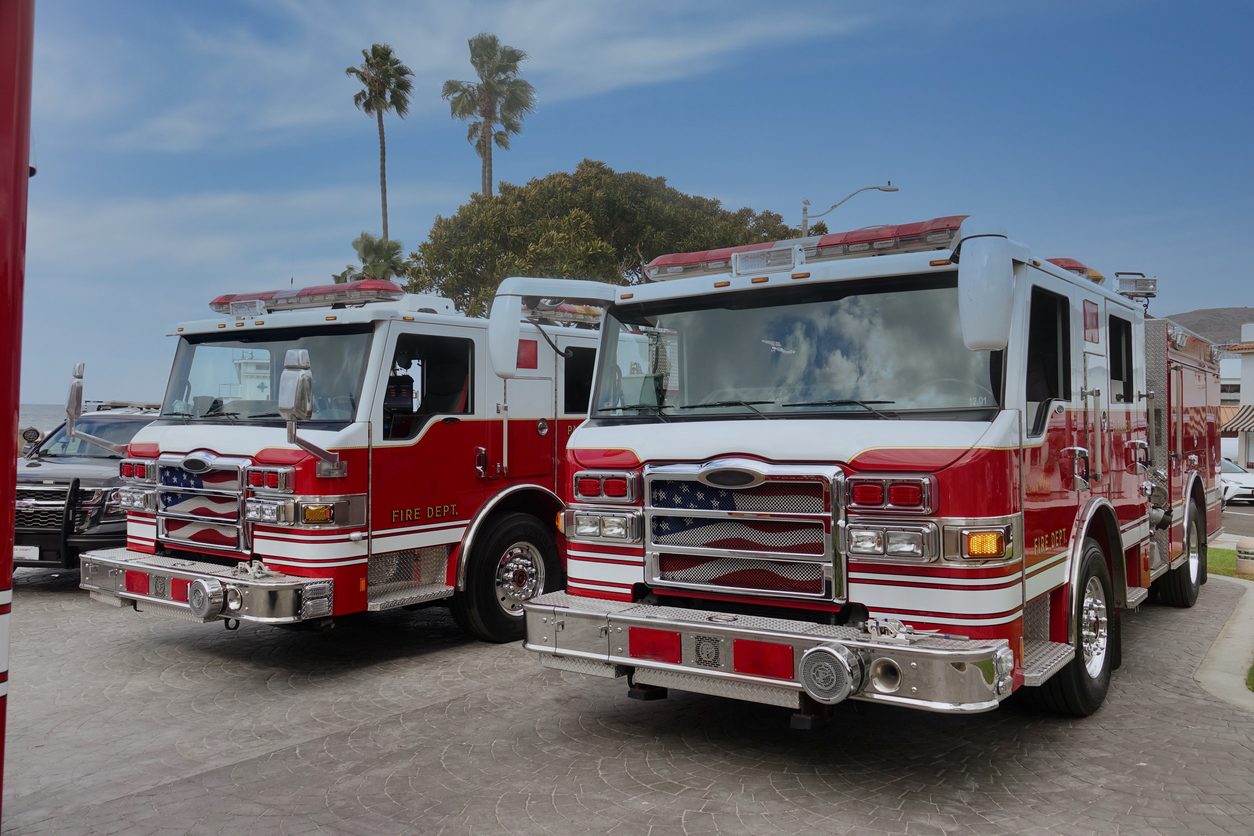
The apparatus is a vehicle; the equipment on it is loose cargo.
Remove hose, ladders, tools, SCBA, medical equipment and anything in the compartments, and ship it separately as freight if it needs to travel. Cargo insurance on a vehicle move does not cover loose equipment, and equipment left in compartments shifts and damages both itself and the compartment.
Then secure everything that stays. Latch and lock every compartment door, secure or remove the mirrors, and lower or remove any raised element. On an aerial, confirm the ladder or boom is bedded and pinned in its travel position.
Permits, Escorts and Route
Once hauled, the standard thresholds apply: over 8 feet 6 inches wide, 13 feet 6 inches high or 80,000 pounds gross needs a permit for every state on the route.
Height is the usual trigger here, and height drives the route, because the permitted path is built around bridge and overpass clearances rather than around the shortest distance. Escorts are required past roughly 12 feet wide, and long aerial apparatus commonly needs a rear escort regardless of width.
Permitted loads travel in daylight on weekdays outside peak hours, so the legal windows rather than the mileage set the schedule.
Departments, Auctions and Overseas Buyers
Most of these moves fall into a few patterns, and each has its own wrinkle.
A department taking delivery of new apparatus usually has the manufacturer arrange transport. A used apparatus sale, frequently at auction or to a smaller department, is where transport becomes the buyer’s problem, and auction lots have collection deadlines before storage charges start. Preserved and antique apparatus going to a museum or a collector is almost always hauled rather than driven, and often enclosed.
Send the lot number, any gate pass and the site’s collection hours with the booking if it is coming from an auction.
Common Questions
Can a fire truck be driven instead of hauled? Yes, if it is roadworthy and registered, by a driver with the right license class. It is often cheaper.
Why does hauling need a permit? A pumper is around 10 to 11 feet tall, and a trailer deck adds about 5 feet, putting it over the 13 feet 6 inch limit.
Do I have to drain the water? Yes. A full tank is 4,000 to 8,000 pounds of weight that serves no purpose and shows at a scale.
Can equipment stay in the compartments? No. Loose equipment is not covered by cargo insurance and it shifts in transit.
What about a ladder truck? Taller, longer and often over 60 feet. It is a permitted move with a rear escort in most cases.
Get a Quote
Call Ship A Car, Inc. at (866) 452-3657 for heavy haul and specialized freight, with the apparatus type, its measured height and length, and whether it currently runs and drives.