
California’s Truck Emissions Rules and What They Mean for Shipping
California regulates the trucks that operate inside it more tightly than any other state, and it has done so for decades under a specific carve out in federal clean air law. That authority lets the state set standards other states may adopt but not exceed, and it is why a truck perfectly legal in Nevada can be barred from working in California.
The rules have been litigated repeatedly, and parts of the most aggressive fleet transition requirements have been withdrawn or paused. What has not changed is the underlying pattern, and it is the pattern that matters if you are shipping a vehicle to or from California.

Why California Sets Its Own Rules
The state had air quality regulations in place before the federal Clean Air Act existed, and it was given the ability to seek waivers to enforce its own stricter vehicle standards. Other states may then choose to follow California’s rules rather than the federal ones, and a significant number have.
The reasons are geographic as much as political. The Los Angeles basin and the San Joaquin Valley both trap air against mountains, and both have long had some of the worst air quality in the country. The state’s ports handle an enormous share of national container volume, concentrating diesel traffic in specific communities.
Whatever view you take of the policy, the practical effect for transport is stable: California is the strictest operating environment in the country and rules tend to appear there first.
What Has Applied in Practice
The rule with the widest reach has been the truck and bus regulation, which required older diesel engines to be upgraded or retired on a schedule. Its effect was to push pre 2010 engines out of California work over time.
Enforcement runs through more than roadside stops. Registration can be blocked for non compliant vehicles, and there are reporting obligations on the businesses that hire trucks, so a carrier operating a non compliant truck struggles to get work rather than simply risking a citation.
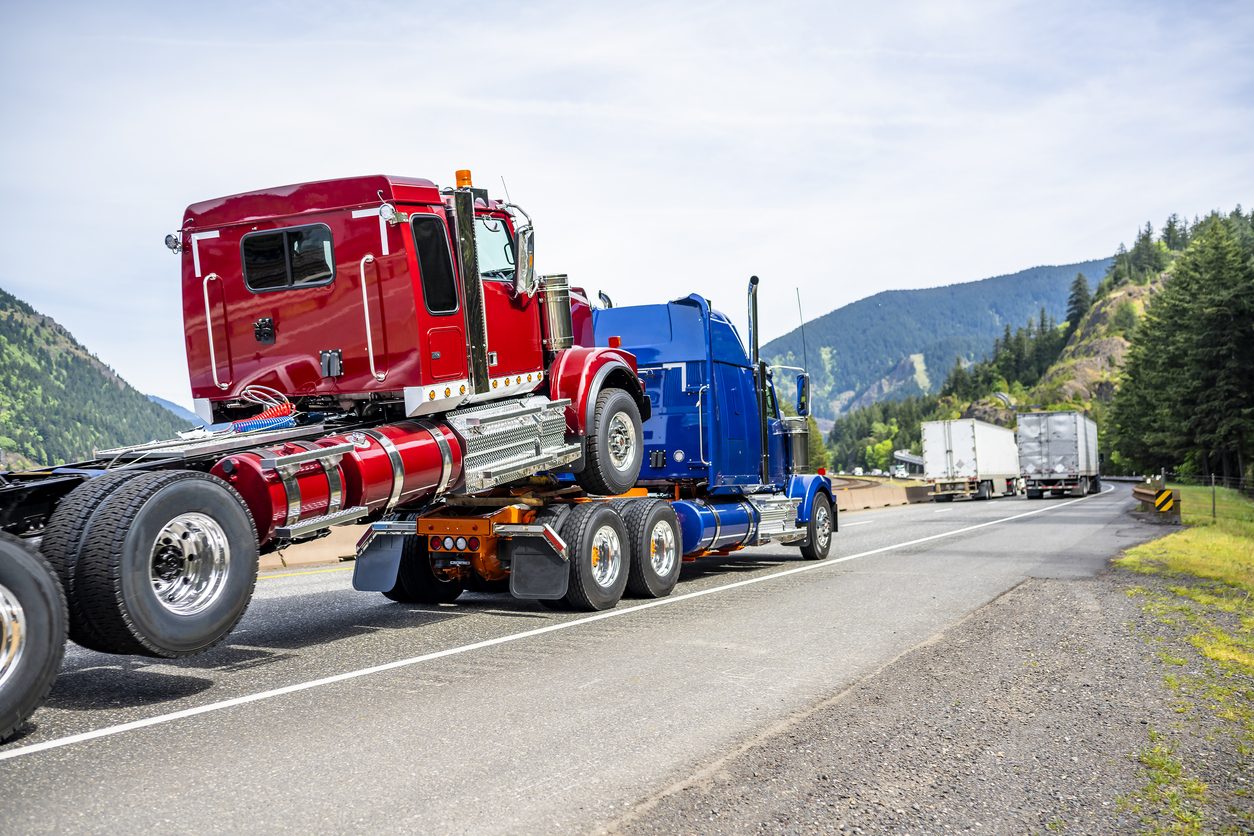
The more ambitious programs, requiring fleets to convert to zero emission vehicles on a timetable, have had a harder path. Industry groups challenged them, some required federal waivers that were not granted, and the state withdrew or paused parts of the effort. Anyone quoting a firm compliance date should be treated with caution, because those dates have moved more than once.
The Effects You Can Actually Observe
Three consequences show up in the market regardless of how the legal arguments resolve.
The first is a two tier equipment market. Trucks compliant with California rules command a premium, and older equipment gets sold out of state. A carrier with a mixed fleet assigns its newer trucks to California lanes.
The second is a capacity effect. Any rule that removes older equipment from a market reduces the number of trucks available in it, at least in the short run. On California lanes that shows up as firmer pricing rather than as trucks being unavailable.
The third is small carrier pressure. A single truck owner operator faces the same compliance cost as a large fleet without the balance sheet to absorb it, so the rules push consolidation. Given how much of the car hauling market is small operators, that matters more here than in general freight.
It is also worth separating two things that get conflated. Rules on the trucks that carry vehicles are a carrier compliance matter and invisible to you. Rules on the cars Californians may buy are a different subject with a different history, and they do not affect your ability to bring an existing vehicle into the state when you move. A car you already own and register elsewhere can be registered in California under the established process for new residents, whatever the sales rules are at the time.
Shipping a Car To or From California
None of this changes what you need to do, and it is worth saying so plainly rather than implying a complication that does not exist for the customer.
You do not need to check a carrier’s emissions compliance. That is the carrier’s obligation and it is enforced against them. What you should check is the same thing as on any lane: that the operating authority is active, the insurance filing is current, and the safety record reads sensibly.

California lanes are among the busiest in the country in both directions, so carrier availability is generally good. Expect firmer pricing than a comparable distance elsewhere, and expect access constraints in the dense parts of Los Angeles and the Bay Area, where a 75 foot hauler often cannot work residential streets and a meeting point at a large lot near a freeway exit is the normal arrangement.
For the wider picture on the state, see our California car shipping page. If your vehicle is itself electric, our page on how transport is priced explains why quotes move between quarters.
Common Questions
Why does California have its own truck rules? A carve out in federal clean air law lets it set stricter vehicle standards, which other states may adopt but not exceed.
Are the zero emission fleet rules in force? Parts have been withdrawn or paused after legal challenges and waiver decisions. Treat any firm date with caution.
Does this affect what I pay? Indirectly. Compliance costs and older equipment leaving the market tend to firm up pricing on California lanes.
Do I need to check a carrier’s emissions compliance? No. That is enforced against the carrier. Check authority, insurance and safety record as you would anywhere.
Can a truck collect from anywhere in Los Angeles? Frequently not. Dense residential streets usually mean meeting the driver at a large lot near a freeway exit.
Get a Quote
Call Ship A Car, Inc. at (866) 821-4555 with both zip codes, your date range and an honest description of the access at each end, or request an estimate for the move through the quote calculator.